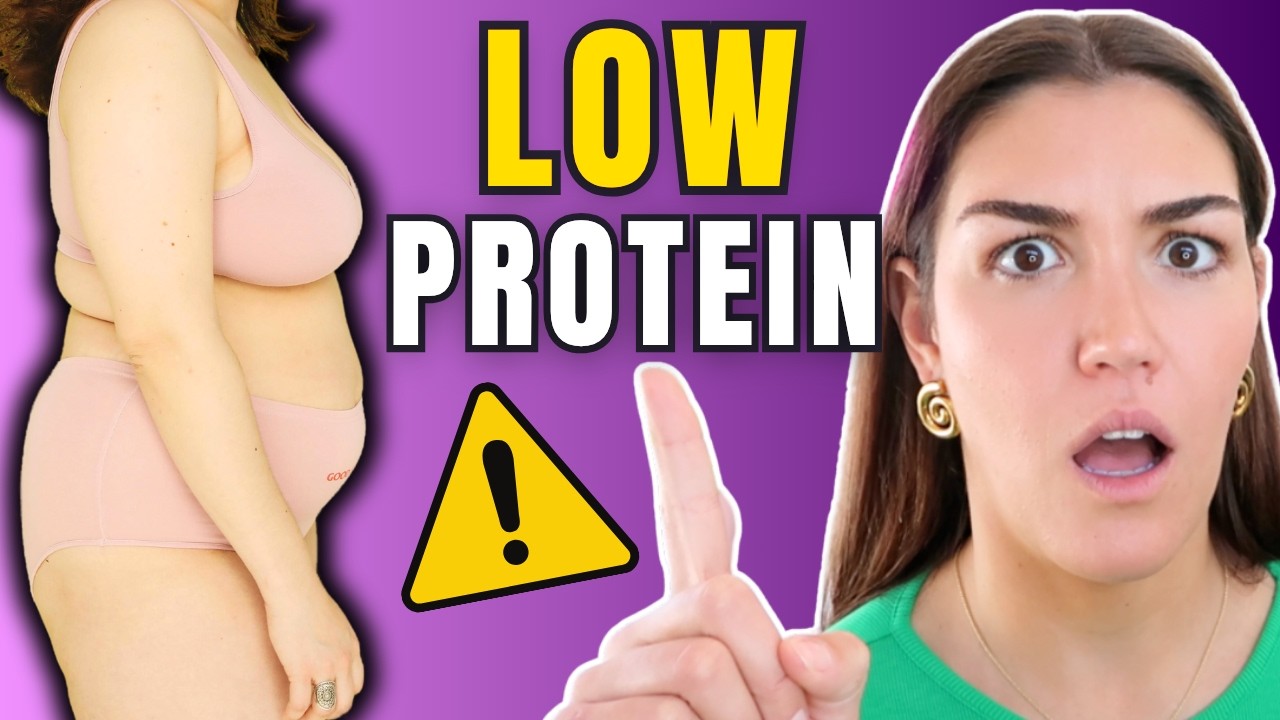
- Importance of protein for those over 40 and its role in fat loss.
- Changes in metabolism and muscle mass with age.
- Protein’s impact on insulin sensitivity and metabolic health.
- Strategies for increasing protein intake effectively.
- Balancing protein with overall nutritional needs for optimal health.
As we age, the body’s nutritional needs evolve, making it essential to adjust our dietary habits to maintain health and vitality. For individuals over 40, protein intake becomes particularly crucial, especially for those aiming to lose fat. Understanding the relationship between protein and aging can inform dietary choices that support both weight management and overall well-being.
After the age of 40, physiological changes such as decreased muscle mass and reduced metabolic rate become apparent. These changes can make fat loss more challenging, necessitating adjustments in nutrition strategies. Protein plays a pivotal role in counteracting these changes. Not only does it aid in preserving muscle mass, crucial for maintaining a higher metabolic rate, but it also contributes to more effective fat loss by increasing satiety and reducing overall calorie intake.
Muscle mass naturally declines with age, a process known as sarcopenia. This loss is accelerated without appropriate nutritional intervention. High protein diets can slow muscle degradation, thereby maintaining strength and functional capacity. Preserved muscle mass also leads to a higher basal metabolic rate, which facilitates more efficient fat loss. The body burns calories more efficiently when muscle tissue is preserved, thus making an adequate protein intake a cornerstone of any diet aimed at reducing fat.
The impact of protein on insulin sensitivity is another critical factor for those over 40. Insulin sensitivity can decline with age, increasing the risk of metabolic diseases such as type 2 diabetes. Protein has a moderating effect on blood sugar levels, helping to maintain stable energy throughout the day and improving the body’s efficiency in using insulin. This effect is crucial for weight management, as stable insulin levels can prevent the energy crashes that lead to overeating and poor food choices.
Understanding how to incorporate more protein into the diet is essential. Breakfast, for example, is a crucial time to prioritize protein intake. Starting the day with a protein-rich meal can set the tone for balanced blood sugar levels throughout the day. Foods like eggs, Greek yogurt, and lean meats are excellent choices. For those with dietary restrictions or preferences, plant-based proteins, such as lentils, chickpeas, and tofu, can be equally beneficial.
Beyond individual meals, the timing and distribution of protein intake are important. Consuming protein evenly throughout the day, rather than all at once, supports muscle protein synthesis more effectively. This balanced approach ensures that the body receives a constant supply of amino acids, fostering muscle maintenance and enhancing fat metabolism.
Integrating protein into a balanced diet involves more than just eating more meat. It’s about selecting a variety of protein sources to meet all nutritional needs. Lean meats, fish, dairy products, plant-based proteins, and nuts all contribute to overall nutritional quality. Consuming a diverse range of these foods ensures adequate intake of essential amino acids and micronutrients, supporting overall health.
Protein intake must be balanced with other macronutrients — carbohydrates and fats — which also play vital roles in health. Carbohydrates should still be part of a healthy diet to provide energy and support brain function. Meanwhile, healthy fats are essential for hormone production and overall cellular health. Striking a balance between these nutrients can foster a holistic approach to health and weight management.
In essence, protein is more than just a nutrient; it is a central component of a healthy diet for individuals over 40, particularly those looking to lose fat. By understanding and adapting to age-related changes in metabolism and muscle mass, and being mindful of the impact of protein on insulin sensitivity, individuals can create a dietary plan that supports longevity and an active lifestyle.
*****
Source Description
In this episode, I’m breaking down what really happens when you’re not eating enough protein in your 40s and beyond. We’ll cover the signs of protein deficiency, how it slows your metabolism, leads to stubborn fat gain, weakens your muscles, and even impacts your blood sugar and aging.
You’ll also learn how much protein you actually need, the best sources (especially for women over 40), and how to easily increase your intake — without counting every macro or living off protein shakes.
Protein powder I recommend (15% off) https://hckait.com/equip
🩸 3-Day Blood Sugar Reset ➡️ https://healthcoachkait.com/bloodsugarreset
⚠️ 7-Day Insulin Resistance Masterclass ➡️ https://healthcoachkait.com/IRmasterclass
🎧 Healthy Not Complicated Podcast ➡️ https://hckait.com/podcast
Hi, I’m Kait Malthaner (aka Health Coach Kait)! As a certified health and nutrition coach specialising in blood sugar control and reversing insulin resistance, I’m here to simplify your health journey. My videos cover topics like lowering blood sugar, A1c, and blood pressure, reversing insulin resistance and PCOS, weight loss, abdominal fat loss, and more. Getting healthy doesn’t have to be complicated—small changes lead to big results. Start reversing insulin resistance with me today!
Recommended Products and Discount Codes
🩸 At-Home Insulin Resistance Test (Code: KAIT10) ➡️ https://hckait.com/getsowell
🧂 Electrolytes (Code: HCK15) ➡️ https://hckait.com/sodiielectrolytes
💫 Berberine (Code: KAIT10) ➡️ https://hckait.com/getsobalanced
🩷 Inositol (Code: KAIT10) ➡️ https://hckait.com/getsosynced
🚨 Red Light Therapy (Code: HCK15) ➡️ https://hckait.com/rlt
💦 Sauna Blanket (Code: HCK15) ➡️ https://hckait.com/sauna
🥤 Blood Sugar Balancing Drinks (Code: KAIT15) ➡️ https://hckait.com/goodidea
💪 Clean Whey Protein (Code: HCK15) https://hckait.com/protein
📱 Continuous Glucose Monitor USA (Code: KAIT30) ➡️ https://hckait.com/nutrisense
🔥 Continuous Ketone Monitor (Code: KAIT15) ➡️ https://hckait.com/ckm
00:00 Intro
01:33 Why protein needs increase after 40
03:50 How much protein you actually need
05:08 Plant vs animal protein
06:36 Signs you’re not eating enough protein
09:31 What happens when you under eat protein
13:49 Why women under eat protein
16:05 How to eat enough protein
Disclaimer:
This video is for general informational purposes only and should never be considered a substitute for professional medical advice. Always consult your doctor or a qualified healthcare professional for any questions about your health or medical condition. Some links above are affiliate links, meaning I may earn a small commission at no extra cost to you. I only recommend products I use, trust and love.