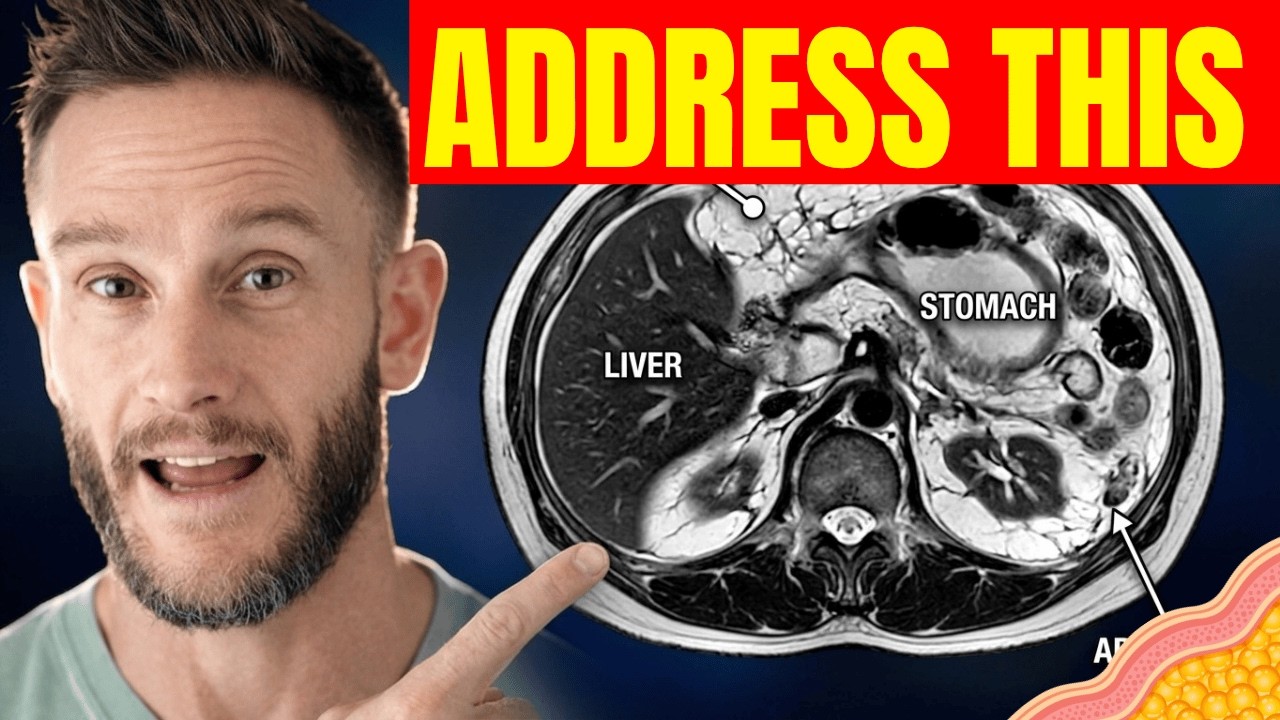
- Visceral fat’s role in cognitive decline
- The connection between insulin sensitivity and brain health
- Dietary strategies to combat visceral fat
- The importance of physical activity in maintaining brain function
- The impact of stress and sleep on visceral fat accumulation
Visceral fat, also known as intra-abdominal fat, is more than an aesthetic concern; it serves as a significant risk factor for various metabolic and chronic diseases. Located deep within the abdominal cavity, visceral fat wraps around vital organs, leading to a cascade of health issues, including cognitive decline and diminished brain health. Numerous studies have shown that excessive visceral fat negatively influences brain structure and functioning, ultimately leading to cognitive impairments.
The link between visceral fat and cognitive decline stems from a complex interaction between inflammation, hormonal responses, and metabolic dysfunction. Individuals with high levels of visceral fat often experience chronic inflammation due to a process called adipose tissue dysfunction. This inflammation can affect neurotransmitter production and disrupt communication between neurons, leading to issues such as memory loss and decreased cognitive skills. In one study, participants with higher visceral fat levels displayed significantly reduced brain volume in areas critical for executive function, emotional regulation, and memory.
Insulin sensitivity plays a crucial role in maintaining both metabolic health and cognitive function. Insulin is a hormone that helps regulate blood sugar levels. When the body becomes resistant to insulin, it can lead to conditions such as type 2 diabetes, which has been linked to cognitive decline and an increased risk of neurodegenerative diseases. Research indicates that individuals with high visceral fat levels often exhibit insulin resistance, which further exacerbates the cognitive decline associated with increased abdominal fat. The disruption of insulin signaling pathways can contribute to neuronal stress and death, presenting a vicious cycle where increasing visceral fat leads to worsening insulin sensitivity and cognitive impairment.
Dietary interventions have emerged as a powerful strategy to reduce visceral fat, improve insulin sensitivity, and preserve cognitive health. Consuming whole foods rich in fiber, such as fruits, vegetables, whole grains, and legumes, can help manage insulin levels and promote fat loss. These foods not only provide essential nutrients but also enhance satiety, preventing overeating. Additionally, healthy fats—such as those found in avocados, nuts, and fatty fish—can support brain function while aiding in fat loss by improving lipid profiles and reducing inflammation.
It is crucial to limit the intake of processed foods high in added sugars and unhealthy fats, as they can contribute to visceral fat accumulation and exacerbate insulin resistance. Studies have shown that individuals who consume high amounts of sugar-sweetened beverages and refined carbohydrates tend to have higher levels of visceral fat. Monitoring macronutrient ratios and making purposeful dietary changes can significantly influence fat distribution and overall metabolic health.
In addition to dietary adjustments, engaging in regular physical activity is vital for combating visceral fat and maintaining brain function. Exercise not only helps burn calories but also improves insulin sensitivity and enhances blood flow to the brain. Aerobic activities, such as walking, running, or swimming, have been shown to reduce visceral fat levels and improve cognitive performance. Strength training also plays a powerful role; increasing muscle mass can enhance metabolic rate and contribute to healthier body composition.
The positive effects of physical activity extend beyond fat reduction. Exercise promotes the release of neurotrophic factors, which support the survival of neurons and the growth of new brain cells. Several studies have indicated that individuals who maintain a regular exercise routine demonstrate better cognitive function, reduced risk of developing Alzheimer’s disease, and improved overall mental health.
Stress and sleep quality significantly influence visceral fat accumulation and cognitive health. High-stress levels can trigger the release of cortisol, a hormone that promotes fat storage, particularly in the abdominal area. Chronic stress can lead to unhealthy coping mechanisms, such as emotional eating, which further contributes to increased visceral fat. Strategies to manage stress—such as mindfulness practices, yoga, or simple relaxation techniques—can mitigate these effects.
Equally important is the role of sleep. Poor sleep quality has been linked to increased mindfulness and cognitive issues, influencing the hormonal control of appetite and metabolism. Insufficient sleep can lead to heightened levels of ghrelin, the hunger hormone, and reduced leptin, which signals fullness, resulting in overeating and increased fat accumulation, especially visceral fat. Aim for 7 to 9 hours of quality sleep each night to support both metabolic health and cognitive function.
Research consistently shows that the relationship between visceral fat and cognitive decline is a multifaceted issue. As visceral fat continues to impact overall health, understanding its effects on brain health becomes increasingly important. Adoption of healthy dietary habits, combined with regular exercise, stress management, and sufficient sleep, might aid in reducing visceral fat accumulation and, consequently, safeguarding cognitive function.
By addressing these key areas, individuals can significantly lower their risk of developing cognitive impairments related to visceral fat. Awareness of one’s body and mind is the first step in an ongoing journey toward enhanced brain health. It’s essential to recognize the powerful connections between visceral fat, insulin sensitivity, and cognitive performance. By incorporating intentional lifestyle changes, a proactive approach to brain health can be achieved.
*****
Source Description
Use Code THOMAS20 for 20% off Your First Order of SEED:
https://www.seed.com/thomasyt
This video does contain a paid partnership with a brand that helps to support this channel. It is because of brands like this that we are able to provide the content that we do for free.
Click HERE to Subscribe: https://www.youtube.com/c/ThomasDeLauerOfficial?sub_confirmation=1
Please check out the new Shorts channel, DeLauer Clips and Workouts, here: https://www.youtube.com/channel/UCQPQImPsw74KhO0Zy2-leyA/videos
Please Subscribe to my Email Newsletter Here: https://www.thomasdelauer.com/life-optimization-tactics/
Follow More of My Daily Life on Instagram: http://www.Instagram.com/ThomasDeLauer
References
https://www.ahajournals.org/doi/10.1161/circulationaha.107.710509
https://www.jci.org/articles/view/126078
https://www.ncbi.nlm.nih.gov/pmc/articles/PMC7160151/
https://journals.physiology.org/doi/full/10.1152/ajpendo.00642.2020
https://www.ncbi.nlm.nih.gov/pmc/articles/PMC8093082/
https://www.frontiersin.org/articles/10.3389/fnagi.2021.694629/full#B37
https://www.ncbi.nlm.nih.gov/pmc/articles/PMC8391376/
https://diabetesjournals.org/care/article/36/11/3627/37946/Plasma-Lipopolysaccharide-Is-Closely-Associated
https://www.ncbi.nlm.nih.gov/pmc/articles/PMC2871685/
Timestamps ⏱
0:00 – Intro
2:11 – 20% off Your First Order of SEED
2:59 – Visceral Fat vs Subcutaneous Fat
4:05 – Why This Matters for Brain Health
6:16 – How This Inflammation Affects Brain Structure (MRI scans)
8:52 – Brain Insulin Resistance
12:04 – Recap
12:30 – Takeaways You Can Apply Right Now (good news)
13:45 – Things You Can Do to Improve Brain Health
15:12 – Managing Background Inflammation (gut health)
15:55 – Fasting Approach that Reduces Visceral Fat by 33%