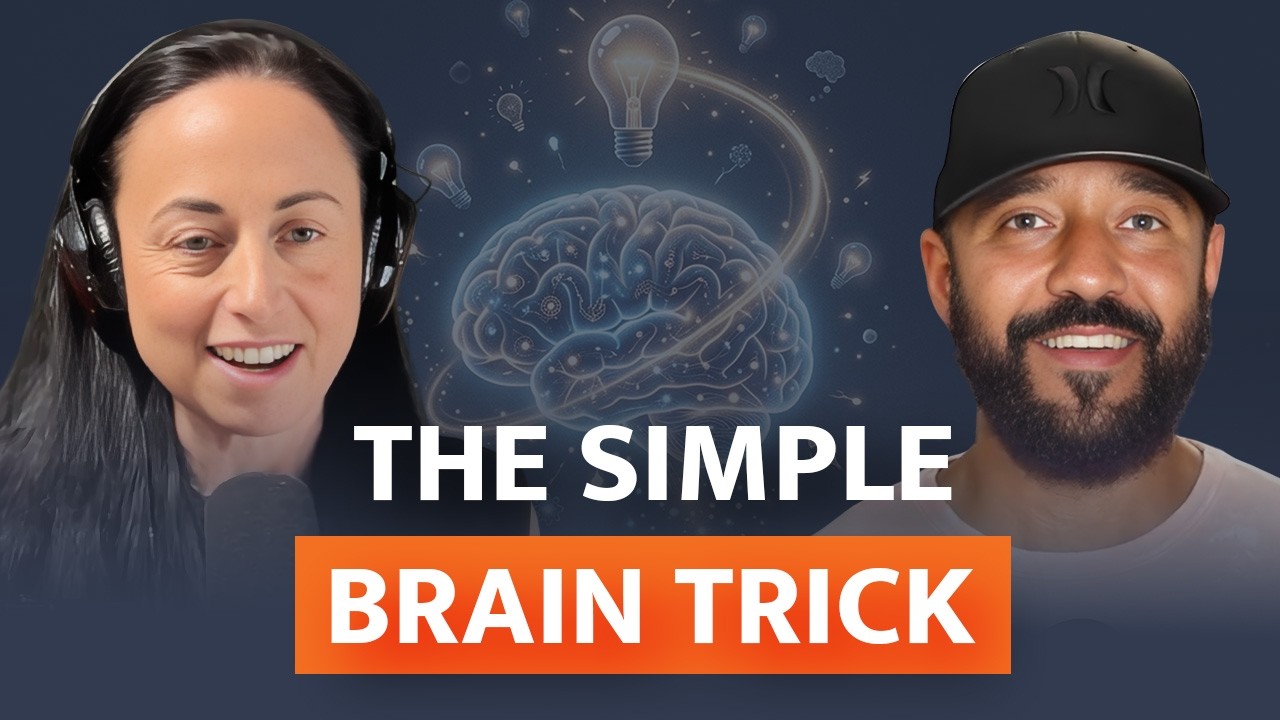
- Understanding the relationship between mental strength and stress management
- The role of diet and nutrition in enhancing mental resilience
- Effective strategies employed by mentally strong individuals
- Importance of stress-relief techniques and self-care
- The impact of physical health on mental resilience
The relationship between mental strength and stress management is a focal point in understanding how individuals navigate life’s challenges without succumbing to burnout. Amy Morin articulates that mentally strong people harness specific habits and practices that allow them to cope more effectively with stress. These individuals don’t deny stress; rather, they acknowledge its presence and learn to manage it constructively. Mental resilience becomes a shield, enabling them to withstand stressors in both personal and professional domains.
Research has shown that the way people respond to stress can significantly impact their overall health and wellness. Mentally strong individuals recognize that stress is a natural part of life, yet they take proactive steps to mitigate its negative impact. They cultivate an adaptable mindset and maintain a focus on personal growth. They can look beyond immediate challenges, fostering a future-oriented perspective. Expressing gratitude and embracing optimism are consistent themes in their approach, which contribute significantly to their overall mental health.
The role of diet and nutrition in enhancing mental resilience is profound. Foods rich in essential vitamins and minerals support brain health and cognitive function. Nutrients such as omega-3 fatty acids, B vitamins, and antioxidants are vital for the production of neurotransmitters like serotonin and dopamine. These neurotransmitters are crucial for mood regulation and can play a pivotal role in how one experiences and copes with stress. A diet high in processed foods, sugar, and unhealthy fats can deteriorate mood and cognitive performance, which compounds stress responses.
Fruits, vegetables, whole grains, and lean proteins are cornerstones of a balanced diet that supports mental clarity and emotional stability. A balanced diet, fortified with nutrients, empowers the mind and fortifies resilience against stress. Additionally, hydration plays a critical role; maintaining proper fluid levels impacts cognitive performance. Dehydration can lead to fatigue and decreased focus, thereby increasing vulnerability to stress.
Mentally strong individuals develop effective strategies to approach stress in constructive ways. They prioritize tasks, set realistic goals, and break down larger projects into manageable steps. This approach not only reduces the feeling of overwhelm but also promotes a sense of accomplishment with each small step completed. Time management becomes an ally in the fight against stress. Methods such as the Pomodoro Technique can help individuals organize their day into focused intervals, allowing for breaks that rejuvenate their mental energy.
Furthermore, practicing mindfulness and meditation can be an invaluable asset for maintaining mental strength. Research indicates that regular mindfulness practices can lower stress levels and increase awareness of thought patterns. This awareness leads to healthier responses to stressors. By being present in the moment, individuals can prevent their minds from being distracted by worries about the future or regrets about the past.
Another effective strategy is the creation of a support network. Having trusted friends or family members to talk to about stressors can significantly reduce feelings of isolation and anxiety. Building these relationships requires effort but pays dividends in emotional support when faced with challenges. Group activities, whether in person or online, can foster a sense of belonging and shared experience, further moderating emotional responses to stress.
The importance of stress-relief techniques cannot be overlooked in the context of managing stress without burning out. Engaging in physical activities, such as exercise, has been proven to release endorphins, which help alleviate anxiety and promote a sense of well-being. Activities like walking, jogging, or yoga can serve as effective outlets for managing stress levels. Exercise also has the added benefit of improving sleep patterns, which are often disrupted due to elevated stress.
Additionally, creative pursuits can serve as emotional outlets. Writing, painting, or engaging in hobbies leads to expressions of creativity, providing an engaging distraction from stressors. These activities not only fulfill individuals’ emotional needs but also cultivate a sense of identity and purpose beyond their work responsibilities.
Implementing self-care habits is essential for mental resilience. This may include prioritizing sleep, setting boundaries in professional and personal sectors, and taking time for oneself. Recognizing when to step back and recharge is crucial for maintaining long-term mental strength. Allows your mind and body to recover naturally from the burdens of daily stress, thus preventing burnout.
Furthermore, physical health heavily influences mental resilience. Research elucidates the connection between physical activity, dietary practices, and cognitive function. Regular exercise can significantly boost mood and cognitive performance. It reduces symptoms of anxiety and depression, equipping individuals with better tools to handle stress. A strong body often correlates with a strong mind. Thus, the dual commitment to physical and mental health can create synergies that enhance overall wellness.
Sleep quality also plays a vital role in mental agility. Getting adequate rest is essential for memory consolidation and emotional regulation. Prioritization of sleep should not be overlooked as a fundamental aspect of overall health. Disturbances in sleep not only foster an increased sensitivity to stress but can also result in a negative feedback cycle where stress disrupts sleep, and lack of rest exacerbates stress.
Additionally, the implications of metabolic health and insulin sensitivity cannot be dismissed in discussions surrounding stress management. Emerging evidence highlights that poor metabolic health can affect mood and stress levels. Insulin resistance has been associated with chronic fatigue and depressive symptoms, creating a compounding effect on stress. Managing dietary practices that promote stable blood sugar levels can mitigate mood fluctuations and enhance energy levels, thereby providing a robust defense against stress.
Understanding how mentally strong people handle stress without burning out emphasizes a holistic approach that integrates mental, emotional, and physical health strategies. By employing successful coping mechanisms and maintaining a healthy lifestyle, individuals can build resilience against stress and navigate life’s challenges with greater ease. By prioritizing nutrition, exercise, adequate rest, and emotional support systems, one can foster an environment conducive to thriving rather than merely surviving.
Taking a proactive stance toward stress enables individuals to harness their full potential. Mental strength cultivated through a blend of nutrition, physical fitness, and sound strategies bolsters the body against daily pressures. As people continue to learn and grow, recognizing the interconnectedness of stress management and overall well-being will serve as a cornerstone for leading a fulfilling life.
*****
Source Description
Stress isn’t the problem, it’s how we respond to it. In this episode, I sit down with psychotherapist and bestselling author Amy Morin to break down what mental strength really is, why so many people misunderstand it, and the science-backed tools you can use to stay calm, confident, and resilient under pressure. Whether you’re feeling overwhelmed at work, struggling with burnout, or navigating life’s daily challenges, this conversation will help you rethink stress and build a healthier mindset.
We also dive into practical strategies for improving confidence, changing your physiology to shift your emotional state, and creating a personalized mental strength toolkit that actually works for you. If you’ve ever wondered how mentally strong people handle adversity without burning out, this episode will give you actionable techniques you can start using today to perform better, manage stress more effectively, and become more resilient in every area of your life.
Subscribe: https://www.youtube.com/TheShawnModel?sub_confirmation=1
Watch more videos like this:
Playlist: https://www.youtube.com/watch?v=q0dlHe2lnPk&list=PL3zvw5sD7WKxTXOzUO5FoyMN9-1I4HpDx
Timestamps:
00:00 Introduction
02:03 The Biggest Misconception About Being Mentally Strong
05:27 Why Amy Morin Wrote The Mental Strength Playbook
08:00 Stop Overthinking: How to Break the Rumination Cycle
14:20 The Simple Humming Trick That Instantly Calms Anxiety
19:17 How to Gain Clarity With Psychological Distance
24:30 Ask Better Questions to Change Your Life
30:58 The Tragedies That Changed Amy Morin’s Life Forever
39:00 “Act As If” — The Science of Building Real Confidence
43:28 Create a Victory Vault to Build Unshakable Confidence
49:50 How to Stop Dreading Difficult Conversations & Situations
53:24 Curiosity Is the Antidote to Fear and Anxiety
Shawn Stevenson is the author of the USA Today National bestsellers Eat Smarter and the Eat Smarter Family Cookbook, as well as the international bestselling book Sleep Smarter. He’s also the creator of The Model Health Show, featured as the number #1 health podcast in the U.S. with millions of listener downloads each year. A graduate of the University of Missouri–St. Louis, Shawn studied business, biology, and nutritional science and became the cofounder of Advanced Integrative Health Alliance. Shawn has been featured in Forbes, Fast Company, The New York Times, Muscle & Fitness, Good Morning America, ESPN, and many other major media outlets.
Get the Eat Smarter Book here: https://eatsmarterbook.com
Start the Fat Loss Code Course here: https://www.thefatlosscode.com
Order the Eat Smarter Family Cookbook here: https://eatsmartercookbook.com
Let’s Connect…
Website: https://themodelhealthshow.com
X: https://twitter.com/ShawnModel
IG: https://www.instagram.com/shawnmodel/
FB: https://www.facebook.com/TheModelHealthShow