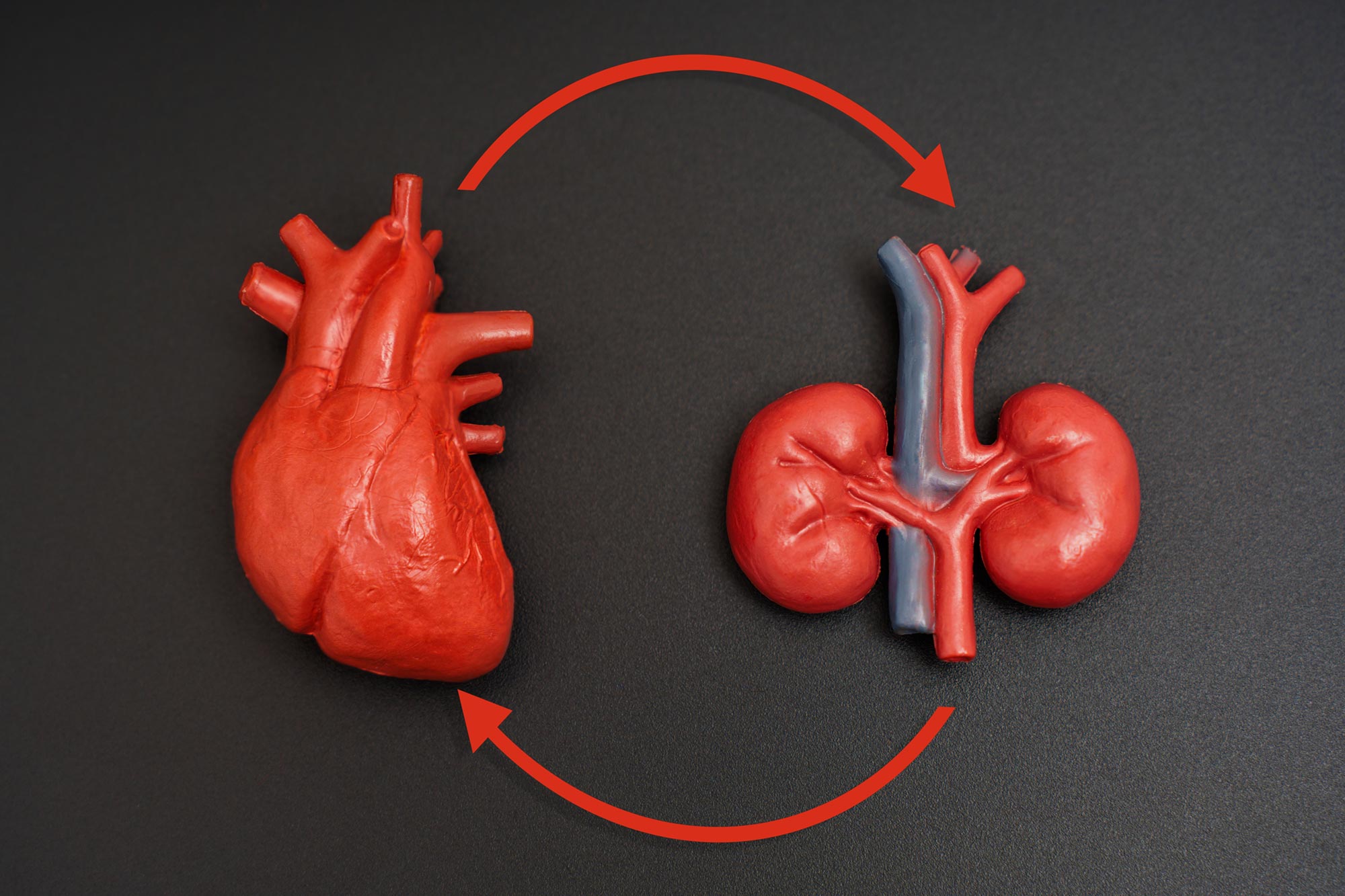
Summary of How Chronic Kidney Disease Quietly Poisons the Heart:
Researchers have discovered that chronic kidney disease (CKD) can directly harm the heart. Diseased kidneys release toxic substances into the bloodstream, specifically circulating extracellular vesicles that contain harmful microRNA, which can damage heart tissue. This finding helps explain why many patients with CKD face a higher risk of heart-related issues.
The study led by scientists from UVA Health and Mount Sinai suggests that early identification of patients at risk for heart failure could be achieved through blood tests. The research may lead to new treatments targeting these toxic vesicles, improving outcomes for patients with CKD.
Currently, CKD affects over 35 million Americans, particularly those with diabetes and hypertension. The research highlights the need for a better understanding of kidney-heart communication and advancing personalized medicine for patients at risk of heart disease.
The findings were published in the journal Circulation, and further research is being organized to explore this area.
*****
Summary Bullet Points
- Silent Sabotage: Chronic kidney disease (CKD) often leads to heart complications due to harmful signals released by damaged kidneys.
- Extracellular Vesicles: Researchers have discovered that damaged kidneys release toxic extracellular vesicles that can harm heart tissues.
- Potential for Early Detection: This new understanding opens avenues for creating blood tests to identify at-risk patients and personalized treatment options.
- Impact on a Large Population: CKD affects over 35 million Americans, particularly those with diabetes and hypertension, underscoring the urgency for research and intervention.
- Future Directions: Ongoing studies and workshops aim to boost knowledge and treatment strategies for mitigating the heart risks associated with kidney disease.
The Silent Threat: How Chronic Kidney Disease Quietly Poisons the Heart
When we think about the heartbeat of our health, the connection between the heart and kidneys might not be the first thing that springs to mind. Instead, we often focus on more obvious culprits—like high cholesterol or blood pressure—as primary drivers of cardiovascular issues. However, lurking beneath the surface of chronic kidney disease (CKD) is an insidious threat that not only harms the kidneys but also stealthily wreaks havoc on the heart.
Understanding the Connection
Studies indicate that more than half of patients with CKD eventually succumb to heart-related complications. This staggering statistic begs the question: What precisely links compromised kidney function with the degradation of heart health? To grasp this connection, let’s navigate through the fascinating interplay of signals and substances transported in our bloodstream.
It appears that the kidneys, when damaged, emit not just a cry for help but a cascade of harmful signals, particularly through particles known as circulating extracellular vesicles. These vesicles are like messengers—typically a benign form of cellular communication, normally moving proteins and other essential materials. However, diseased kidneys produce vesicles that harbor toxic molecules, specifically harmful microRNA, which can be detrimental to heart tissue.
The Discovery
The recent research led by teams at UVA Health and Mount Sinai provides strong evidence substantiating this connection. Through laboratory studies, it was revealed that when these harmful vesicles are blocked from circulating in the bloodstream, significant improvements in heart function are observed. For those with CKD, the mere presence of these toxic vesicles in their blood marks a key distinction from healthy individuals.
In essence, the damaged kidneys are not merely passive bystanders; they play an active role in the deterioration of heart function, sending distress signals that lead to a decline in cardiovascular health. Uta Erdbrügger, one of the researchers, poignantly emphasizes, "We are just at the beginning to understand this communication."
The Broader Impact
Now, you may be wondering: What does this mean for the average person? CKD is now a condition that afflicts over 35 million people in the United States, particularly impacting those with diabetes or hypertension. As such, the ramifications of this study reach far beyond the confines of the laboratory. They touch the lives of millions and have the potential to reshape clinical practices around the screening and management of both kidney and heart diseases.
As a society, we often acknowledge that silent killers exist—conditions that quietly advance until it’s too late. CKD and heart disease are quintessential examples. For many, by the time heart symptoms arise, extensive damage might already be done. This is where the potential of developing a blood test to identify markers of risk becomes invaluable; it serves as a preemptive strike, allowing patients to engage proactively in their health journey.
Moving Towards Solutions
Imagine navigating life with a clearer roadmap—one that indicates not just where you are but highlights potential hazards along the way. With the advent of a blood test that can pinpoint elevated levels of toxic extracellular vesicles, we could shift the narrative from reactive to proactive strategies in managing CKD and its cardiovascular complications.
Moreover, the implications of this research extend into the realm of personalized medicine. If we can identify specific biomarkers, then tailored treatment plans can be crafted; what works for one patient may not work for another. The idea is to ensure that treatment isn’t one-size-fits-all. Instead, it becomes a bespoke experience that caters to individual needs, aligning therapeutic methods with precise risk profiles.
Encouraging Ongoing Research
As the scientific community refines its understanding of the heart-kidney connection, workshops and collaborative sessions are essential to bolster knowledge sharing and innovative strategies. For instance, Erdbrügger is organizing hands-on sessions focusing on extracellular vesicle research, aiming to equip scientists and healthcare professionals with the tools they need to combat this interconnected dilemma.
This is not merely a series of academic exercises; it’s a call to action, urging participants to question, learn, and innovate. The Paul and Diane Manning Institute of Biotechnology at UVA epitomizes this spirit, pushing the envelope in research and quickly translating laboratory insights into practical applications that can save and improve lives.
Building Awareness
As we navigate this complex landscape, raising awareness about both CKD and its cardiac ramifications is essential. Many people are blissfully unaware of the covert nature of CKD, often attributing any fatigue or malaise to other causes. The importance of regular health checks cannot be overstated, particularly for those in high-risk categories. Education is a powerful tool, enabling individuals to advocate for themselves and partners on their health journey.
Imagine visiting your healthcare provider and articulating your concerns, armed with knowledge about CKD and its potential effects on heart health. This proactive approach enables more focused discussions, more informed decisions, and ultimately, a pathway to healthier living.
The Human Experience
Human resilience finds its most profound expression in the face of challenge. More than just statistical data, these discoveries highlight a human story—one woven with patients, families, and healthcare professionals striving to understand and overcome the challenges presented by CKD and cardiovascular risks.
Yet, it remains critical that we examine not only the ailments we face but the pathways to healing. The dual threat of CKD and heart disease can seem daunting, yet understanding this interaction offers a glimmer of hope and potential for enhanced management of both conditions.
The Path Forward
While the journey to fully grasp the heart-kidney connection is just beginning, it’s a vibrant frontier brimming with promise. As researchers continue to uncover the secrets of this intricate relationship, we can expect advancements that will vastly improve risk assessment, treatment plans, and overall patient outcomes.
As individuals, remaining vigilant about health, fostering a dialogue with medical professionals, and demanding comprehensive care will be paramount. With knowledge as our ally, we can halt the silent sabotage of our bodies and create a future where CKD and heart disease no longer have to intertwine in the shadows of our health narratives.
In conclusion, chronic kidney disease may quietly poison the heart, but understanding this connection enables us to fortify that connection with proactive care. The research breakthroughs mentioned offer hope and point toward brighter days filled with enhanced diagnostics, innovative therapies, and, ultimately, better health. Awareness transforms ambiguity into clarity; let us embrace this opportunity to thrive.
