- Carrying weight impacts metabolic processes and insulin sensitivity.
- Changes in body composition within 30 days of weight fluctuation.
- The psychological effects of weight changes on motivation and body image.
- Dietary strategies for managing weight and its effects on health.
- The importance of physical activity in weight management and metabolic health.
Carrying weight can significantly alter various biological and physiological processes in the body. Within just 30 days, individuals often experience noticeable changes in metabolism and insulin sensitivity. These alterations are especially relevant for those managing their weight through dietary and lifestyle shifts.
The metabolic consequences of carrying excess weight are myriad. Increased body fat can lead to insulin resistance, where cells become less responsive to insulin. This hormone normally facilitates the uptake of glucose for energy. When insulin sensitivity decreases, blood sugar levels can rise, increasing the risk of developing type 2 diabetes. Research shows that even a modest gain in weight can detrimentally impact insulin action, promoting fat storage instead of energy utilization. Conversely, weight loss can enhance insulin sensitivity, making it easier for the body to manage glucose levels.
In 30 days, body composition can also undergo significant transformations. Those who lose weight may notice changes not just in appearance but in overall energy levels and physical performance. Even a loss of 5% to 10% of body weight can yield substantial health benefits, including improved lipid profiles and reduced blood pressure. Meanwhile, individuals gaining weight may notice a marked increase in energy expenditure if muscle mass increases. This is due to the metabolic demands of muscle tissue, which consumes more calories at rest compared to fat tissue.
The psychological aspect of weight changes cannot be overlooked. The way individuals perceive themselves and their motivation to maintain or alter their weight may evolve over this short time frame. Gaining weight can sometimes lead to negative feelings about body image, which can impact mental health and self-esteem. On the flip side, weight loss can boost confidence and be incredibly motivating. Understanding these emotional dynamics can empower individuals to make healthier lifestyle choices, recognizing that both body image and actual health are critically linked.
Dietary choices play a pivotal role in weight management and metabolic health. Whole, nutrient-dense foods should comprise the bulk of one’s diet. Foods high in refined sugars and saturated fats can drive inflammation and negatively impact insulin sensitivity. In contrast, incorporating plenty of fiber, lean proteins, and healthy fats can support both sustained energy levels and metabolic rates. Eating balanced meals can promote satiety, reducing the likelihood of overeating. Moreover, a diet rich in antioxidants can bolster overall well-being by counteracting oxidative stress, which is linked to various chronic diseases.
Physical activity is another fundamental aspect of weight management and overall metabolic health. Engaging in regular exercise enhances calorie expenditure and improves muscle mass, both of which are crucial in maintaining a healthy body composition. Aerobic exercises, like running or cycling, are effective in burning calories, while resistance training is optimal for increasing muscle strength. Combining both exercise types provides a comprehensive approach to weight management. For those looking to keep their metabolism thriving, incorporating vigorous physical activities, along with interval training, may also be beneficial.
Over the course of 30 days, individuals can make small yet impactful changes to their routines. Consistency in these changes can lead to sustainable outcomes, whether the goal is weight loss or maintenance. Keeping a food journal can assist in tracking dietary intake and identifying patterns that may hinder or bolster progress. Similarly, setting realistic exercise goals can encourage adherence to a fitness regimen.
Overall, mindfulness surrounding the implications of carrying weight on metabolic health is essential. Recognizing that both physiological and psychological factors play vital roles in one’s journey can create a more balanced approach to weight management. By understanding that weight changes can influence insulin sensitivity and overall health, individuals are better equipped to implement strategies aimed at improving their quality of life. Physical activity, dietary choices, and self-awareness will be principal components along this pathway, shaping not only how one looks but also how one feels and functions daily.
*****
Source Description
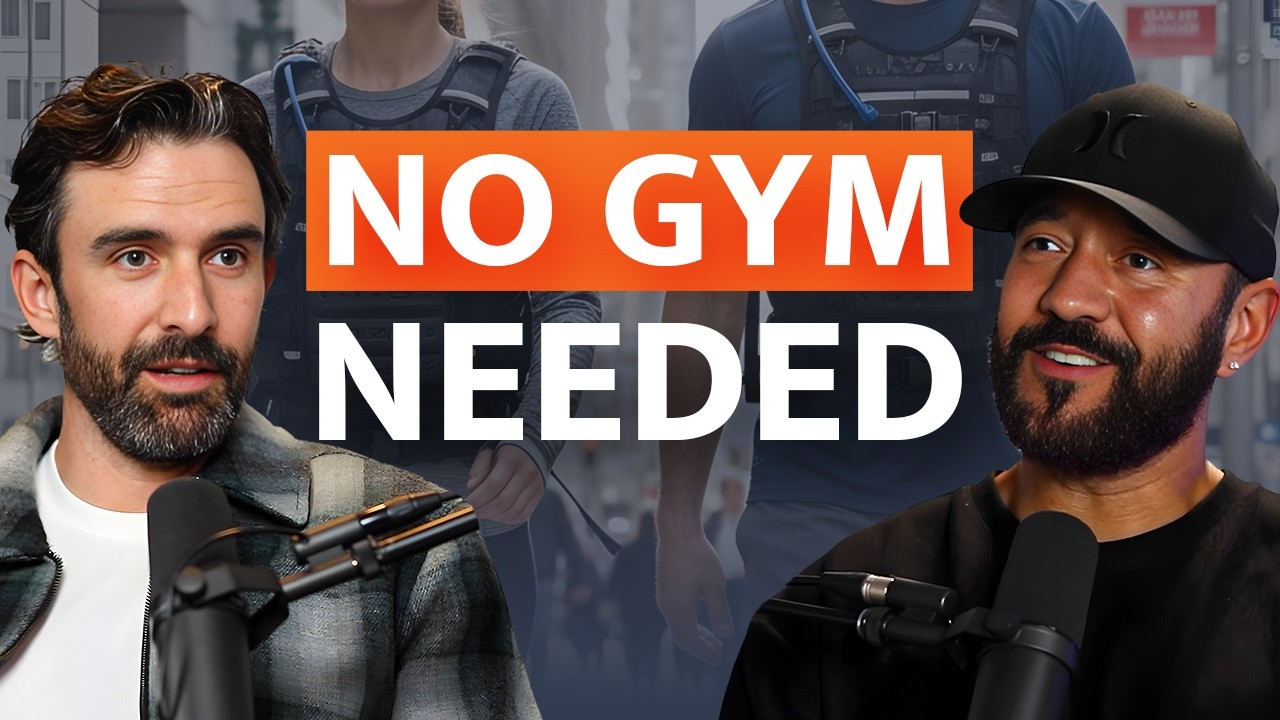
Walking is already one of the most effective habits for improving overall health, but adding a weighted vest can significantly amplify the benefits. In this episode of The Model Health Show, you’ll discover how walking with a weighted vest can boost calorie burn, improve cardiovascular fitness, and enhance strength—all while staying low-impact and accessible. Weighted vest walking taps into a natural movement pattern that challenges your body more efficiently than regular walking alone.
Bestselling author Michael Easter returns to the show to explain the science behind why humans are built to carry weight and how this ability shaped our evolution. You’ll learn how using a weighted vest turns walking into a powerful combination of cardio and strength training, supports metabolic health, and can be easily added to your daily routine. If you’re looking for a simple, effective way to level up your walks, this episode breaks down exactly how to do it safely and sustainably.
I hope you enjoy this episode of The Model Health Show!
Subscribe: https://www.youtube.com/TheShawnModel?sub_confirmation=1
Watch more videos like this:
Playlist: https://www.youtube.com/watch?v=ceN4jld8Te4&list=PL3zvw5sD7WKy5aLKQPMoRYI45dNyriMab
Timestamps:
00:00 – Introduction
4:28 – Unique fat loss benefits of rucking
6:58 – Rucking helps preserve muscle during weight loss
9:28 – Weighted vest reduces weight regain
12:11 – Walking with weight increases benefits
15:13 – Preventing and relieving back pain
18:24 – Start with 10% of body weight
20:59 – Adding carrying back into fitness
22:38 – Embracing discomfort for long-term rewards
25:10 – Increasing step count while working
27:11 – Connection between carrying and lifespan
30:30 – Suitcase carry as a workout
32:20 – NEAT and calorie burning
34:51 – Benefits of being outdoors
38:02 – What does it mean to be super medium?
39:35 – Importance of finding a sweet spot
44:56 – Historical perspective on carrying weight
46:59 – Starting with 10% of body weight
48:43 – Using everyday items for weight
51:00 – Benefits of walking with weight
Shawn Stevenson is the author of the USA Today National bestsellers Eat Smarter and the Eat Smarter Family Cookbook, as well as the international bestselling book Sleep Smarter. He’s also the creator of The Model Health Show, featured as the number #1 health podcast in the U.S. with millions of listener downloads each year. A graduate of the University of Missouri–St. Louis, Shawn studied business, biology, and nutritional science and became the cofounder of Advanced Integrative Health Alliance. Shawn has been featured in Forbes, Fast Company, The New York Times, Muscle & Fitness, Good Morning America, ESPN, and many other major media outlets.
Get the Eat Smarter Book here: https://eatsmarterbook.com
Start the Fat Loss Code Course here: https://www.thefatlosscode.com
Order the Eat Smarter Family Cookbook here: https://eatsmartercookbook.com
Let’s Connect…
Website: https://themodelhealthshow.com
X: https://twitter.com/ShawnModel
IG: https://www.instagram.com/shawnmodel/
FB: https://www.facebook.com/TheModelHealthShow