- Hormonal fluctuations and their impact on weight regulation
- The role of trauma in affecting metabolic health
- Interactions between insulin sensitivity and emotional well-being
- The significance of lifestyle interventions for women experiencing hormonal and trauma-related weight issues
- Future directions in research and therapeutic approaches for managing women’s weight issues
Hormonal Fluctuations and Their Impact on Weight Regulation
Hormones are chemical messengers that significantly influence various bodily functions, including metabolism, appetite, and fat storage. For women, hormonal fluctuations are particularly pronounced due to menstrual cycles, pregnancy, and menopause. The most well-known hormones involved in weight regulation include estrogen, progesterone, and insulin.
Estrogen plays a critical role in fat distribution. In premenopausal women, higher estrogen levels typically promote fat storage in areas like the hips and thighs, lending a characteristic pear shape. However, as women transition into menopause, estrogen levels decline. This shift often leads to increased abdominal fat due to changes in fat distribution patterns and metabolic responses. The alteration in how the body utilizes energy contributes to an increased risk of weight gain.
Progesterone also influences appetite and energy levels. Its levels fluctuate throughout the menstrual cycle and can lead to cravings for high-calorie foods during the luteal phase. This craving mechanism is linked to increased levels of the hormone, which can lead women to consume more calories than necessary.
Insulin, another vital hormone, has a significant bearing on how the body handles glucose. A persistent state of high insulin—often seen in insulin resistance—can lead to fat accumulation, especially visceral fat. This condition complicates weight management and can increase the risk of various metabolic diseases.
Recent research advances in understanding hormones and weight regulation show that balancing these hormones through lifestyle changes can be effective. Nutritional interventions, exercise, and stress management techniques can all help alleviate hormonal imbalances, thereby assisting women in their weight management journeys.
The Role of Trauma in Affecting Metabolic Health
Trauma, particularly emotional trauma, significantly influences physical health, including weight regulation. This connection arises from the intersection of psychological and physiological responses to stress. Women who experience trauma may find themselves grappling with various challenges, including changes in eating behaviors, emotional eating, and stress-induced weight gain.
When the body experiences trauma, it activates the hypothalamic-pituitary-adrenal (HPA) axis. This activation leads to increased cortisol levels, often referred to as the stress hormone. Elevated cortisol can trigger cravings for unhealthy foods, typically high in sugar and fat. These cravings can result in overeating and, consequently, weight gain. Furthermore, chronic stress and trauma can induce a state of hypervigilance, where individuals find it challenging to focus on hunger cues and engaging in mindful eating.
Emotional trauma can also lead to a reduced sense of agency in individual health behaviors. Women may struggle with motivation or energy levels to engage in physical activity, which can further complicate weight management. It is essential to recognize that the body’s response to trauma is multifaceted and may require comprehensive strategies to address both psychological and physical health.
Understanding the impact of trauma on metabolic health underscores the need for holistic approaches in treating weight management. Health professionals must consider these aspects when guiding women through their weight-loss journeys. Therapeutic interventions, such as cognitive-behavioral therapy (CBT), can prove advantageous by helping individuals process trauma and develop healthier coping mechanisms.
Interactions Between Insulin Sensitivity and Emotional Well-Being
Insulin sensitivity directly affects how efficiently the body processes glucose and utilizes energy. Women with low insulin sensitivity may find it challenging to maintain a healthy weight. Insulin resistance not only contributes to weight gain but also fosters a range of metabolic diseases, including type 2 diabetes.
The relationship between emotional well-being and insulin sensitivity is equally significant. Psychological stress can exacerbate insulin resistance. Stress-induced hormonal changes, particularly elevated cortisol and adrenaline, can impair insulin’s efficiency in cells. This impairment can lead to chronic high blood sugar levels, further complicating metabolism. Consequently, as individuals grapple with emotional distress, the body faces additional challenges in managing weight.
Many women instinctively turn to food as a coping mechanism in times of emotional turmoil. This instinctive response to stress can create a vicious cycle: stress prompts cravings for unhealthy foods, which leads to weight gain, increasing emotional distress, and reinforcing harmful habits. Understanding this feedback loop is crucial for implementing effective strategies for weight management.
Addressing emotional well-being can enhance insulin sensitivity and improve metabolic health. Mindfulness practices, regular physical activity, and balanced nutrition can foster resilience against stress. By focusing on emotional and psychological health, women can empower themselves to take control of their weight management journey.
The Significance of Lifestyle Interventions for Women Experiencing Hormonal and Trauma-Related Weight Issues
Implementing lifestyle changes is an effective way for women to manage weight, particularly when coping with hormonal fluctuations and trauma. A holistic approach that combines nutrition, exercise, and psychological support can lead to more sustainable results.
Nutritional strategies should prioritize balanced meals rich in whole foods, including fruits, vegetables, lean proteins, and healthy fats. These food groups can help stabilize blood sugar levels, shore up gut health, and reduce inflammation—all vital aspects of maintaining hormonal balance. Additionally, mindful eating practices can cultivate greater awareness of hunger cues, encouraging better food choices aligned with personal health goals.
Exercise also plays a crucial role in enhancing both metabolic health and emotional well-being. Regular physical activity can improve insulin sensitivity, reduce stress levels, and promote weight loss. Aerobic exercises, strength training, and mind-body practices such as yoga can all contribute to a well-rounded fitness regimen. Moreover, the release of endorphins during and after physical activity can foster improved mood, further aiding emotional resilience.
Psychological support cannot be overlooked. Engaging with mental health professionals, support groups, or wellness coaches can facilitate healthier coping mechanisms for emotional distress linked to trauma and weight management. This support structure can empower women to navigate challenges while effectively addressing their health goals.
Future Directions in Research and Therapeutic Approaches for Managing Women’s Weight Issues
Ongoing research into the interactions between hormones, trauma, and weight regulation will yield new insights into effective therapeutic approaches. As understanding evolves, innovative interventions may emerge, catering specifically to women’s health issues related to weight management.
Exploration into individualized therapeutic strategies can enhance weight management outcomes. Studies may identify specific hormonal profiles that lead to tailored nutritional recommendations, exercise programs, or psychological interventions. Additionally, the impact of genetics on weight regulation and hormonal balance could reveal novel avenues for treatment.
Integrating technology into weight management strategies represents another promising direction. Wearable devices and mobile applications can serve as valuable tools for tracking eating habits, exercise routines, and emotional well-being. Utilizing such resources may provide women with greater insights into their behaviors, fostering more informed and conscious choices.
Collaborative care models that include dietitians, mental health professionals, and doctors can lead to more comprehensive treatment plans. This collaborative approach can tackle the interconnectedness of hormonal health, emotional resilience, and weight regulation, offering women more robust support in their weight management journeys.
Overall, addressing the influences of hormones and trauma on women’s weight requires a multifaceted approach. By understanding these complex relationships, women can empower themselves with the knowledge and tools needed to effectively manage their health and well-being.
*****
Source Description
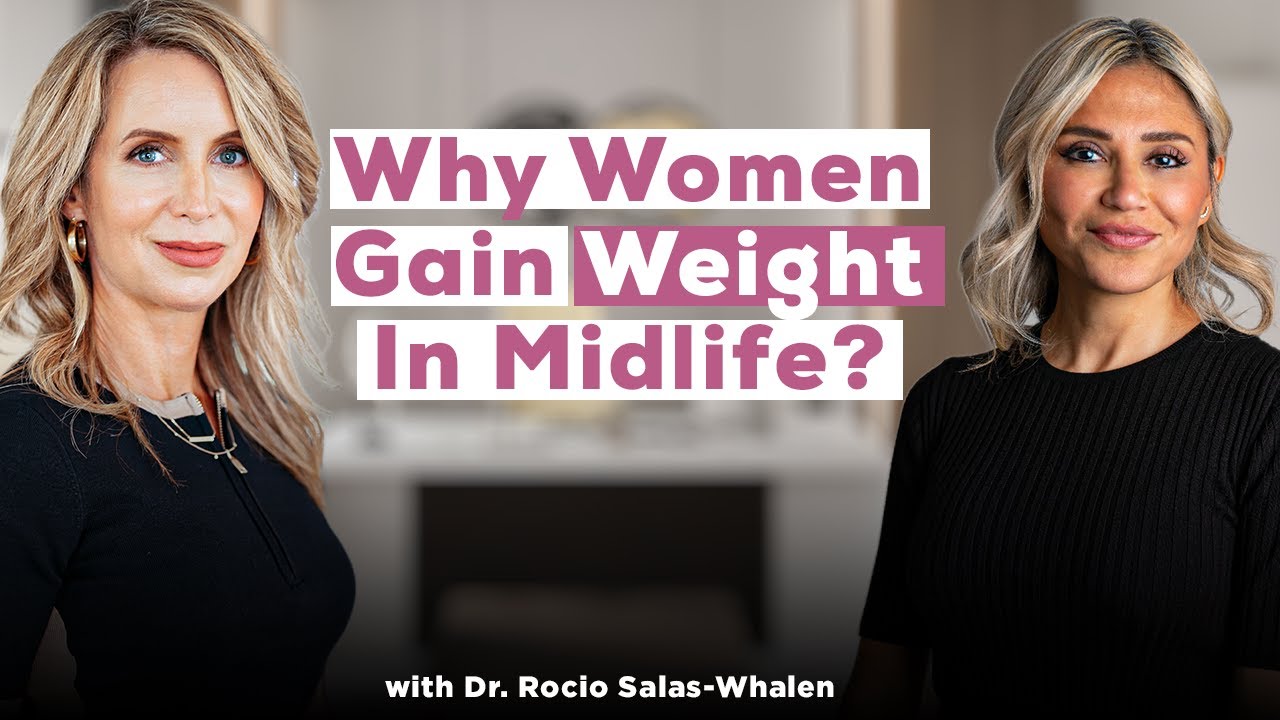
Today, I’m thrilled to reconnect with Dr. Rocio Salas-Whalen, a board-certified endocrinologist and obesity medicine specialist with more than 15 years of clinical experience, widely recognized as one of the earliest adopters of GLP-1 therapies in the United States. She is also the author of the upcoming book Weightless: A Comprehensive Guide to the New Era of GLP-1 Medications.
In our discussion, we explore the transgenerational impact of obesity as a complex, chronic, and deeply multifactorial condition. We discuss the effects of environmental exposures and trauma, the essential role of education in overcoming weight-loss resistance and managing obesity, and the physiological changes women experience in the perimenopause-to-menopause transition. We explain the importance of body positivity and image, reframing our thoughts around obesity and being overweight, and why building and maintaining muscle is non-negotiable. We dive into the physiology of GLP-1 medications and specific targets for women in perimenopause and menopause, ways to address weight-loss stalls, and the effects of the weight bias so deeply entrenched in our society. Dr. Salas Whalen also shares her thoughts on alternatives and additions to GLP-1 therapies, clarifying the importance of protein and strength training while using GLP-1 drugs.
This conversation with Dr. Salas-Whalen is truly invaluable, and I highly recommend her upcoming book, Weightless.
#CynthiaThurlow #womenshealth #wellness #IF #intermittentfasting #fastingforwomen #bioindividuality #health
For more information please visit me here: https://cynthiathurlow.com/
To purchase my new book, The Menopause Gut please visit here: https://www.penguinrandomhouse.com/books/777129/the-menopause-gut-by-cynthia-thurlow-np/
This video is for educational and informational purposes only and solely as a self-help tool for your own use. I am not providing medical, psychological, or nutrition therapy advice. You should not use this information to diagnose or treat any health problems or illnesses without consulting your own medical practitioner. Always seek the advice of your own medical practitioner and/or mental health provider about your specific health situation.