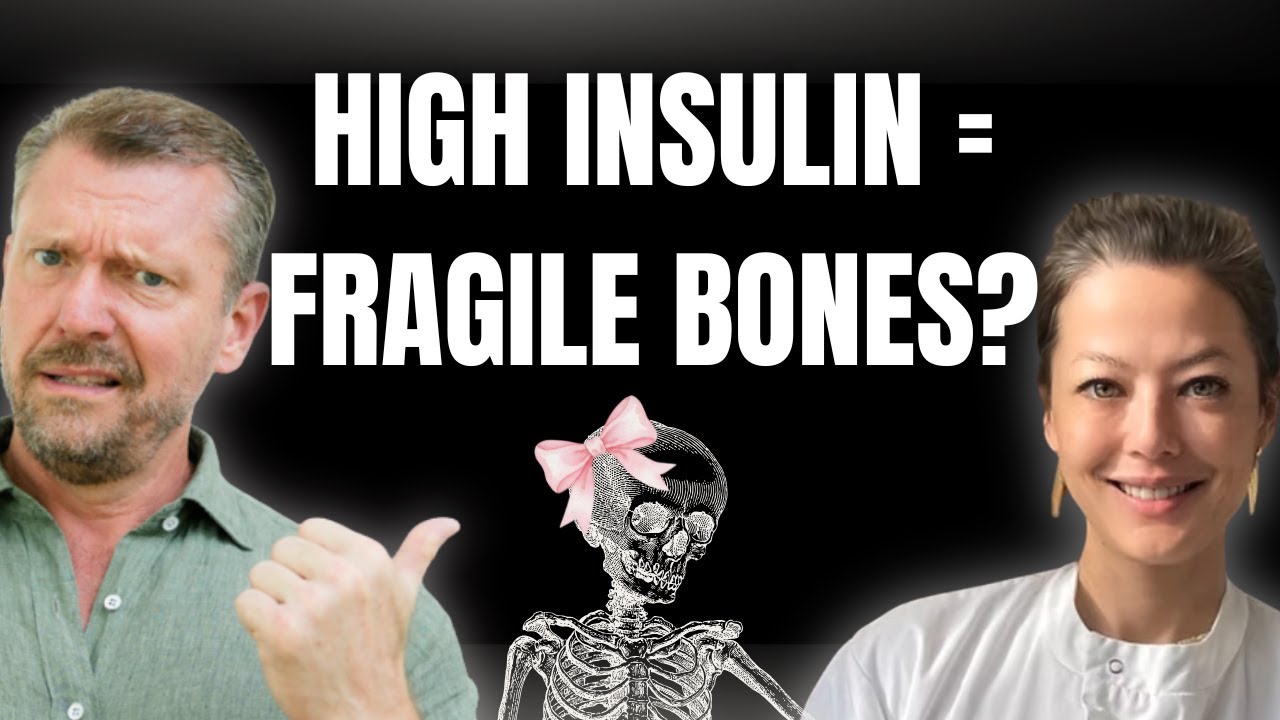
- High insulin levels and their effects on bone health and fragility.
- The connection between elevated insulin and cancer.
- Insulin’s influence on the aging process and longevity.
- Dietary factors that contribute to high insulin levels.
- Strategies to improve insulin sensitivity and health outcomes.
High insulin levels, often a product of dietary choices and lifestyle, can have far-reaching implications for health. Research indicates that excessive insulin is associated with fragile bones, an increased risk of cancer, and accelerated aging. Understanding these connections provides insight into how dietary choices and lifestyle habits can impact overall well-being.
High insulin levels can lead to significant changes in bone health. Insulin is essential for various metabolic processes, including bone remodeling. However, when present in elevated quantities, insulin can disrupt the natural balance of bone formation and resorption. Studies show that high levels of insulin often correlate with lower bone density, making bones more prone to fractures.
Bone health is influenced by several factors, including calcium and vitamin D intake, physical activity, and hormonal balance. Insulin, while necessary for maintaining blood sugar levels, can interfere with bone metabolism. Elevated insulin levels can lead to the overproduction of insulin-like growth factor 1 (IGF-1), a hormone that negatively impacts bone health. This imbalance can result in an increase in osteoclast activity, the cells responsible for bone resorption. Consequently, high insulin levels can contribute to fragile bones and a greater risk of osteoporosis, especially in menopausal women.
In addition to bone health, high insulin levels have been linked to an increased risk of certain cancers. Insulin plays a critical role in cellular proliferation, and when its levels rise consistently, it creates an environment conducive to tumor growth. Epidemiological studies suggest that individuals with insulin resistance are more prone to developing various types of cancers, including breast, colon, and prostate cancer.
One mechanism through which high insulin may promote cancer is by stimulating pathways that encourage cell growth and inhibit apoptosis, the programmed cell death that eliminates damaged cells. Elevated insulin can cause chronic inflammation, further contributing to cancer risk. Chronic inflammation occurs due to the body’s persistent response to elevated insulin, which can result in cellular damage over time, potentially leading to cancerous transformations. Moreover, high insulin levels exacerbate hyperglycemia, which generates additional oxidative stress that promotes tumorigenesis.
The relationship between high insulin and accelerated aging is another vital topic. Insulin impacts numerous biological pathways that govern the aging process. Studies indicate that elevated insulin can shorten lifespan by accelerating cellular aging. Chronic inflammation and oxidative stress, driven by high insulin levels, play significant roles in this process.
Additionally, insulin affects key longevity pathways, including those involved in the regulation of hormones such as growth hormone and IGF-1. Disrupted signaling in these pathways may lead to metabolic syndrome, characterized by obesity, hypertension, and dyslipidemia, all conditions associated with faster aging. Evidence indicates that high insulin levels can correlate with reduced mitochondrial function, impairing energy metabolism and leading to further cellular aging.
Dietary factors play a crucial role in insulin regulation. High glycemic index foods, sugary beverages, and processed carbohydrates can lead to rapid spikes in blood glucose and, consequently, insulin levels. When consumed excessively, these foods can stimulate insulin production, resulting in an environment where high insulin levels become chronic. Over time, this situation may culminate in insulin resistance, where the body’s cells no longer respond adequately to insulin.
In contrast, a high-fiber, low-glycemic diet, rich in whole grains, vegetables, and healthy fats, can promote insulin sensitivity. Dietary components such as omega-3 fatty acids, antioxidants, and polyphenols have been shown to ameliorate insulin sensitivity and reduce inflammation, thereby lowering insulin levels. Regular physical activity is also a key lifestyle factor that can enhance insulin sensitivity, contributing to improved overall metabolic health.
Managing stress is another critical aspect. Chronic stress leads to elevated cortisol levels, which can increase insulin resistance. Implementing stress-reducing techniques such as mindfulness meditation, yoga, or regular exercise can positively impact insulin sensitivity.
Improving insulin sensitivity requires a multifaceted approach. A combination of dietary changes, physical activity, and stress management can significantly lower insulin levels and mitigate the associated risks. It is essential to adopt a lifestyle that supports metabolic health: prioritizing whole foods, engaging in regular exercise, and implementing mindfulness practices.
Monitoring blood sugar levels can provide valuable insights into insulin response. Regular check-ups can help identify insulin resistance early, allowing for targeted interventions. By understanding the implications of high insulin, individuals can make informed decisions about their health, particularly regarding bone fragility, cancer risk, and aging.
The interplay between high insulin levels and health outcomes is complex and multifactorial. While insulin serves critical functions in metabolism, its excess can lead to adverse health effects if left unchecked. Awareness of dietary choices and lifestyle habits can empower individuals to make positive changes that foster metabolic well-being and longevity.
Transitioning to a more health-conscious diet involves careful planning and education. Individuals should focus on whole, unprocessed foods that support blood sugar stability. Foods rich in fiber, such as legumes and vegetables, can slow down carbohydrate absorption, leading to more stable insulin levels.
Incorporating regular physical activity into daily life is equally crucial. Engaging in both aerobic and strength-training exercises can help improve insulin sensitivity and bone health, making bones stronger and more resilient.
Lifestyle changes are not just beneficial for insulin levels. They also contribute to overall health, reducing the risk of chronic diseases and promoting longevity. When individuals embrace a holistic approach to their well-being, they are not only crafting a healthier future for themselves but also fostering resilience against conditions linked to high insulin levels.
Through increased awareness and deliberate dietary choices, individuals can mitigate the risks associated with high insulin. This proactive strategy can lay a foundation for lifelong health, offering protection against fragile bones, cancer, and the aging process. As more data emerges, embracing metabolic health will likely become an increasingly important topic in preventive health strategies.
The discussions surrounding high insulin levels remind us of the significance of harmonious living. Prioritizing a balanced diet comprising nutrient-dense foods while maintaining an active lifestyle contributes not just to managing insulin levels but to enhancing overall quality of life.
As research continues to uncover the intricate links between diet, insulin, and health outcomes, individuals equipped with knowledge can take actionable steps toward wellness. This journey towards understanding is integral for fostering resilience against diseases commonly linked to metabolic disturbances, including those driven by prolonged high insulin levels.
*****
Source Description
In this hard-hitting interview, Dr. Ken Berry and PhD researcher Dr. Isabella Cooper (@I_mitochondria) blow the lid off why so many women fracture easily despite “normal or great” bone density scans. Dr. Cooper opens with her groundbreaking paper on hyperinsulinemia-osteofragility — how excess insulin quietly destroys bone quality while scans look fine.
They then unpack Insulin-Compensated Euglycemia (ICE): millions walk around with perfect glucose and HbA1c while sky-high insulin nukes their mitochondria and shuts down ketosis. Dr. Cooper explains her Homeodynamics paper, proving chronic hyperinsulinemia plus zero ketones wrecks autophagy, mitophagy, and drives accelerated ageing.
Her landmark KetoSAge trials deliver the receipts: healthy, lean, long-term keto women were forced onto official “healthy eating guidelines.” Insulin, IGF-1, inflammation, and liver enzymes exploded while protective SHBG crashed — clear evidence that mainstream carb-heavy advice may fast-track ageing and cancer signaling. The damage reversed the moment they returned to ketosis.
The conversation closes with cancer as a metabolic-endocrine-bioenergetics disease, glucose + glutamine addiction, and a remarkable stage IV breast cancer near-complete remission case using therapeutic ketosis and metabolic support instead of toxic chemo alone. Eye-opening, controversial, and full of hope for anyone tired of “your labs are normal” gaslighting.
Join the PHD Community here : https://phdhealth.community
About Dr. Isabella D. Cooper
Dr. Isabella D. Cooper, PhD, is a Research Fellow at the University of Westminster (UK), biochemist, medical pathologist, and ketogenic science specialist. She leads human clinical trials (KetoSAge series) investigating hyperinsulinemia, mitochondrial dysfunction, ketosis, and metabolic therapies for ageing, cancer, and chronic disease. Her work with Thomas Seyfried and others challenges conventional paradigms and promotes practical metabolic solutions. (68 words)
Isabella’s Links
• X / Twitter: https://x.com/I_mitochondria
• Facebook: https://www.facebook.com/bellamitochondria/
• Website & Research Group: https://www.foreveryounggroup.com/
Key Studies Discussed
• Hyperinsulinemia-Osteofragilitas (bone fragility paper): https://www.mdpi.com/2227-9059/9/9/1165
• Restoring Homeodynamics: Autophagy, Ageing and the Metabolic Correction of Disease (2026): https://www.techscience.com/biocell/online/detail/26018
• KetoSAge Series (main trial + follow-ups): https://pubmed.ncbi.nlm.nih.gov/37958602/ and https://pmc.ncbi.nlm.nih.gov/articles/PMC11274887/
Find more information about the PHD Community here : https://phdhealth.community
⭐️FREE downloadable Proper Human Diet GUIDEBOOK: https://www.drberry.com/guidebook
American Diabetes Society: https://www.americandiabetessociety.org/
Low-carb, Keto, Ketovore, & Carnivore consisting of real, whole, nutrient-dense foods are on the Proper Human Diet spectrum. Lose weight, reverse diabetes, eradicate fatty liver, and More
ANCESTRAL SUPPLEMENTS (LIVER, ETC): http://ancestralsupplements.com/drberry (DISCOUNT CODE: drberry)
DAILY MINERALS: https://saltt.com/ref/DrB (discount)
LIES MY DOCTOR TOLD ME: https://amzn.to/2XvNNZm
COMMON SENSE LABS book: https://amzn.to/4eD5Emt
PHD Merch: https://www.drberry.com/shop (T-Shirts, Tanks, Hoodies, etc)
Great Keto Recipes: https://cookingketowithfaith.com/
Eat Real MEAT: https://bit.ly/USmeatDiscount (discount = BERRY)
Pluck Organ Seasonings code = DRKEN for 25% off https://eatpluck.com
Support Our Mission: https://bit.ly/DrBerrysCommunity
LMNT electrolytes: drinklmnt.com/Neisha (free gift)
Our Farm Channel: @drberryfarms
Best JERKY I’ve tasted: https://matthatjerky.com/?ref=_vgzta3…
Awesome Coffee roasted in Tennessee: https://hollerroast.com/?ref=keto (discount)
Disclaimer: Nothing in this video is Medical Advice. Dr. Berry does not diagnose, treat, or prevent any medical conditions online; instead, he helps people better understand their health and ways to avoid health problems and promote wellbeing. Make sure you are working with YOUR provider to monitor your health and medications. These posts and videos are not designed to, and do not provide medical advice, professional diagnosis, opinion, treatment, or services to you or to any other individual. As an Amazon Affiliate, I earn from purchases.