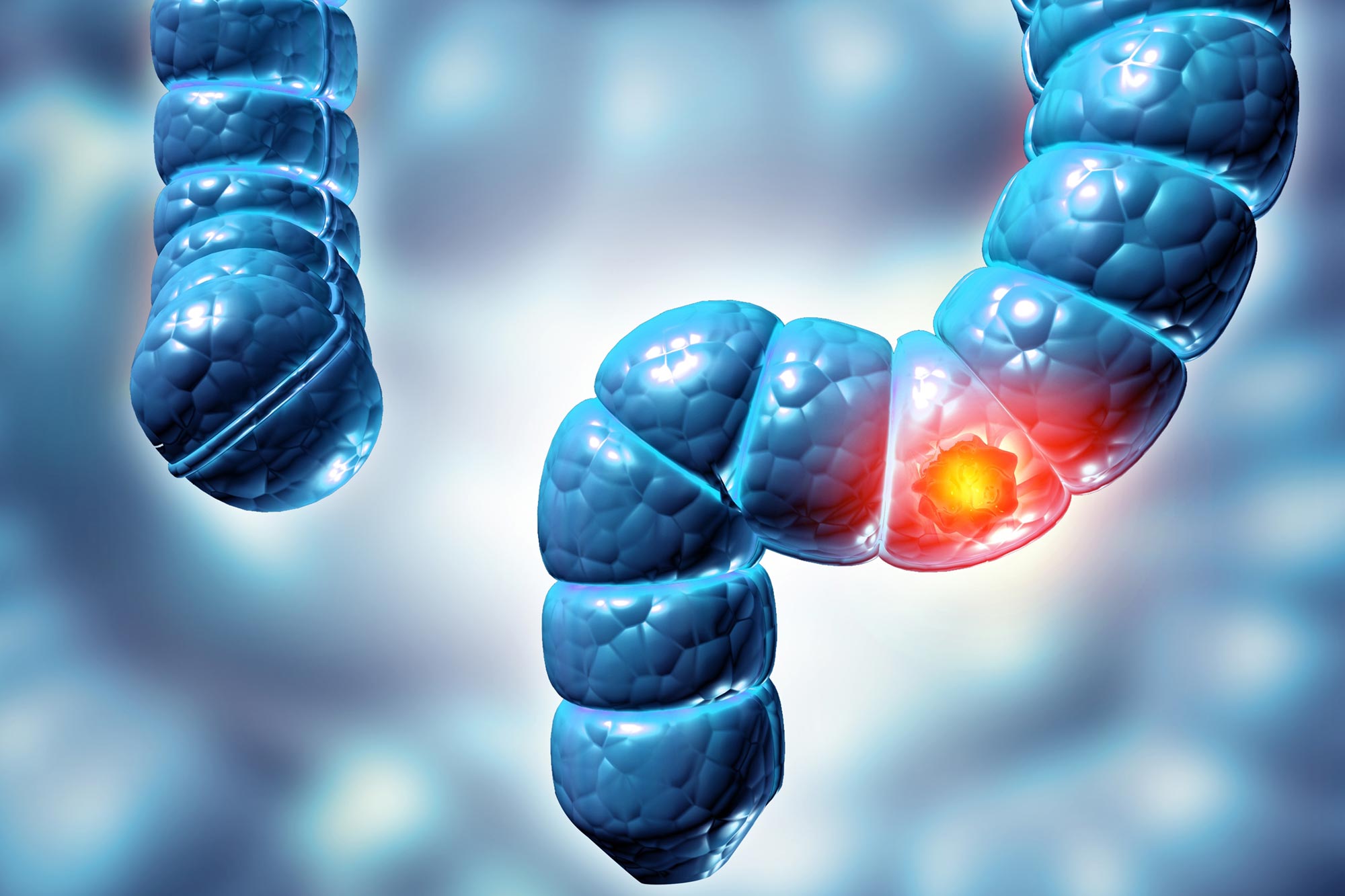
Summary of Scientists Discover Hidden Virus Linked to Colorectal Cancer:
A recent study by researchers from the University of Southern Denmark and Odense University Hospital suggests that a newly identified virus within a common gut bacterium, Bacteroides fragilis, may be linked to colorectal cancer (CRC). This bacterium has previously been associated with CRC, although it is also found in healthy individuals, creating a paradox. The researchers discovered that CRC patients had a higher likelihood of their Bacteroides fragilis containing specific bacteriophages (viruses that infect bacteria).
The study utilized data from a large Danish population study and confirmed the findings in diverse patient samples across Europe, the U.S., and Asia. While there is a statistical correlation between the virus and CRC, the study does not establish a direct causal link. The findings could potentially lead to new screening methods that detect these viruses in stool samples, offering a novel avenue for identifying individuals at higher risk for CRC.
Ongoing research projects aim to examine the interaction between the virus and its bacterial host more closely and test whether this association has clinical implications. The study underscores the importance of the gut microbiome in understanding CRC and highlights how viruses may influence the behavior of bacteria related to disease.
*****
Summary Bullet Points
- A newly identified virus within the gut bacterium Bacteroides fragilis has been linked to colorectal cancer, raising new questions about the disease’s triggers.
- The virus, a bacteriophage, is present more frequently in patients diagnosed with colorectal cancer, suggesting potential avenues for future screening.
- Investigations into gut ecosystems have shifted focus, considering how interactions between bacteria and viruses might contribute to cancer risk.
- Ongoing research aims to cultivate the virus’s interactions within the gut and explore its potential as a biomarker for early detection of colorectal cancer.
- The findings offer a fresh perspective on the complex interplay of microorganisms in our gut, with significant implications for understanding and combating colorectal cancer.
Uncovering Hidden Viruses: A New Chapter in Colorectal Cancer Research
Colorectal cancer, the silent giant among cancers, continues to loom as one of the leading causes of cancer-related deaths in many parts of the world. As compelling evidence mounts around its primary risk factors—age, diet, and lifestyle—the underlying biological mysteries still challenge researchers.
Enter a team from the University of Southern Denmark and Odense University Hospital. Their groundbreaking research has uncovered a hidden player in the gut microbiome: a virus intimately connected with Bacteroides fragilis, a bacterium often associated with colorectal cancer. What makes this discovery so unique is not merely the bacterium’s presence, but the concealed drama occurring within it—a virus that might change how we understand cancer.
The Bacteroides Mystery
For many years, scientific conversations around Bacteroides fragilis have teetered between recognition and paradox. This bacterium is typically a resident of a healthy gut, cohabitating harmoniously amid the myriad of microbes residing there. Yet, its unsettling connection to colorectal cancer raises an intriguing question: how can something so commonplace also be a potential culprit in such a serious disease?
Flemming Damgaard, a medical doctor and PhD at the Department of Clinical Microbiology, articulates this conundrum perfectly: “It has been a paradox that we repeatedly find the same bacterium in connection with colorectal cancer, while at the same time it is a completely normal part of the gut in healthy people.” What sets the two groups apart?
A Virus Comes to Light
To address the conundrum, researchers dug deeper, investigating the nuances within the bacterium itself. Their findings led them to a significant insight: the presence of a specific virus inside Bacteroides fragilis. This virus, categorized as a bacteriophage, is crucial to understanding the clinch between bacteria and cancer.
In patients diagnosed with colorectal cancer, not only was Bacteroides fragilis present, but it was more often harboring this newly identified virus. “We have discovered a virus that has not previously been described and which appears to be closely linked to the bacteria we find in patients with colorectal cancer,” Damgaard explains. The implications of this discovery can reshape how we perceive these interactions, prompting questions about whether the virus simply coexists or actively contributes to carcinogenic processes.
The Genesis of Discovery
The roots of this investigation can be traced to a large-scale population study involving nearly two million Danes. This dataset was rich with insight; among patients who experienced bloodstream infections caused by Bacteroides fragilis, a subset was soon diagnosed with colorectal cancer.
Digging into the genetic material embedded within these patients’ bacteria yielded a startling pattern: cancer-associated bacteria more frequently hosted these specific viruses. The results hinted at an urgent need for further investigation.
Expanding Horizons: Global Confirmation
To see if this phenomenon transcended Denmark’s borders, the researchers expanded their analysis to stool samples from a diverse group of 877 individuals across Europe, the United States, and Asia. With astoundingly consistent results, the findings confirmed that those with colorectal cancer were doubly likely to carry traces of these viruses in their gut microbiome. This global approach not only strengthened the observed correlation but also broadened the scope of inquiry.
“Despite consistent findings across multiple populations, we still do not prove a causal relationship,” says Damgaard, highlighting the intricate nuances that still elude definitive conclusions.
A Paradigm Shift in Understanding Cancer
The growing body of evidence suggests a fascinating shift in perspective. Environmental factors, including gut microbiome dynamics, may account for up to 80 percent of colorectal cancer risk. Delving into this complex ecosystem is akin to sifting through a treasure trove, making it challenging to identify the precise elements that lead from health to disease.
“Previously, it has been like looking for a needle in a haystack," Damgaard admits. "Instead, we have investigated whether something inside the bacteria—namely viruses—might help explain the difference.” This fresh angle opens avenues for vital research into the gut environment’s myriad influences.
The Future of Screening
Colorectal cancer screening traditionally hinges on stool tests that reveal hidden blood, but what if viral detection could enhance these efforts? The researchers posit that assessing these newly identified viruses in stool samples could pave the way for identifying individuals at heightened risk for colorectal cancer.
Early analyses indicate that viral markers can detect around 40 percent of cancer cases—significant given that these markers tend to remain absent in most healthy individuals. While these findings remain preliminary, they offer a tantalizing glimpse into what could eventually become groundbreaking diagnostic tools.
Ongoing Exploration and Future Implications
The researchers aren’t resting on their laurels. With three separate projects in the pipeline, further exploration continues. They plan to cultivate Bacteroides fragilis carrying the virus within an artificial gut model, examining how gut tissue, virus, and bacterium interact. Another study aims at directly investigating the presence of the bacterium and the virus within colorectal cancer tumors.
And there’s more on the horizon. Testing in genetically predisposed mouse models will elucidate whether the presence of the virus accelerates cancer development. All of these endeavors, funded by various esteemed foundations, are stepping stones toward deeper understanding—and perhaps, someday, tangible clinical applications.
Reimagining Future Healthcare
As we piece together the myriad factors influencing colorectal cancer—from lifestyle and diet to the quirky relationships between microorganisms—a new narrative begins to take shape. The quest for clarity surrounding cancers like this is dynamic and revealing; researchers like Damgaard are zealously working to decode the puzzle.
The evolving conversation around viruses in our gut artfully illustrates one of science’s most compelling truths: what we once believed can shift dramatically with new evidence. This ongoing research leads us to a more nuanced understanding of not only colorectal cancer but human health itself.
As you ponder these discoveries, remember one key lesson: the human body is a complex, interwoven ecosystem, and often, the answers we seek lie within the unseen. Rather than accepting knowledge as static, dare to explore, ask questions, and remain open to new understandings. The journey of discovery—a path both curious and challenging—may yet yield insights that revolutionize how we identify and treat cancer, paving the way to a future where proactive prevention is within our grasp.
By embracing emerging knowledge, we can shift the narrative from fear and uncertainty to understanding and empowerment, fostering a community committed to wellness in body, mind, and spirit. The interconnectedness of our microbiomes may indeed hold the key to unlocking a healthier future—a testament to science’s unfailing creativity and resilience in the face of complex challenges.
Closing Thoughts
In a world rife with uncertainty, particularly regarding health, stories like these unlock not just scientific insight but a hopeful vision of what can be achieved. The prospect of turning what was once unknown into a powerful tool for prevention rekindles faith in our collective journey toward enhanced health and well-being.
While researchers continue their vital work, let us champion knowledge, engage with our health proactively, and nurture a community where ideas flourish and discoveries inspire. The hidden truths in the tiniest of our life forms might just have the power to transform our understanding of life itself.