Summary of Early Warning Signals of Esophageal Cancer May Be Hiding in Plain Sight:
Research indicates that Barrett’s esophagus is the origin of all cases of esophageal adenocarcinoma (OAC), even when visible signs have vanished. This study, published in Nature Medicine, analyzes data from 3,100 patients and highlights that genetic patterns remain consistent in OAC, regardless of Barrett’s visibility. The findings suggest that tumors may destroy the original Barrett’s tissue as they grow. Early detection of Barrett’s esophagus, indicated by specific biomarkers, could lead to better prevention strategies for esophageal cancer. Researchers advocate for sensitive, minimally invasive tests to identify risk based on molecular markers, rather than just observable changes. This understanding could significantly improve early diagnosis and patient outcomes, transforming cancer detection and treatment approaches.
*****
Summary of Main Topics
-
Barrett’s Esophagus Connection: New research establishes Barrett’s esophagus as a universal precursor to esophageal adenocarcinoma, even when visible signs are absent.
-
Genomic Evidence: A comprehensive analysis of DNA samples reveals that cancer mutations are consistent regardless of Barrett’s esophagus detection, suggesting a shared origin.
-
Impact on Screening: Early detection strategies may improve patient outcomes by utilizing molecular markers that signal cancer risk even before visible symptoms arise.
-
Future Directions in Detection: Researchers advocate for the development of non-invasive tests to identify high-risk individuals based on molecular clues rather than solely on physical examinations.
- Call for Awareness: Understanding the early warning signs and the risk factors associated with esophageal cancer is vital for effective prevention and intervention strategies.
Unveiling the Hidden Signs of Esophageal Cancer
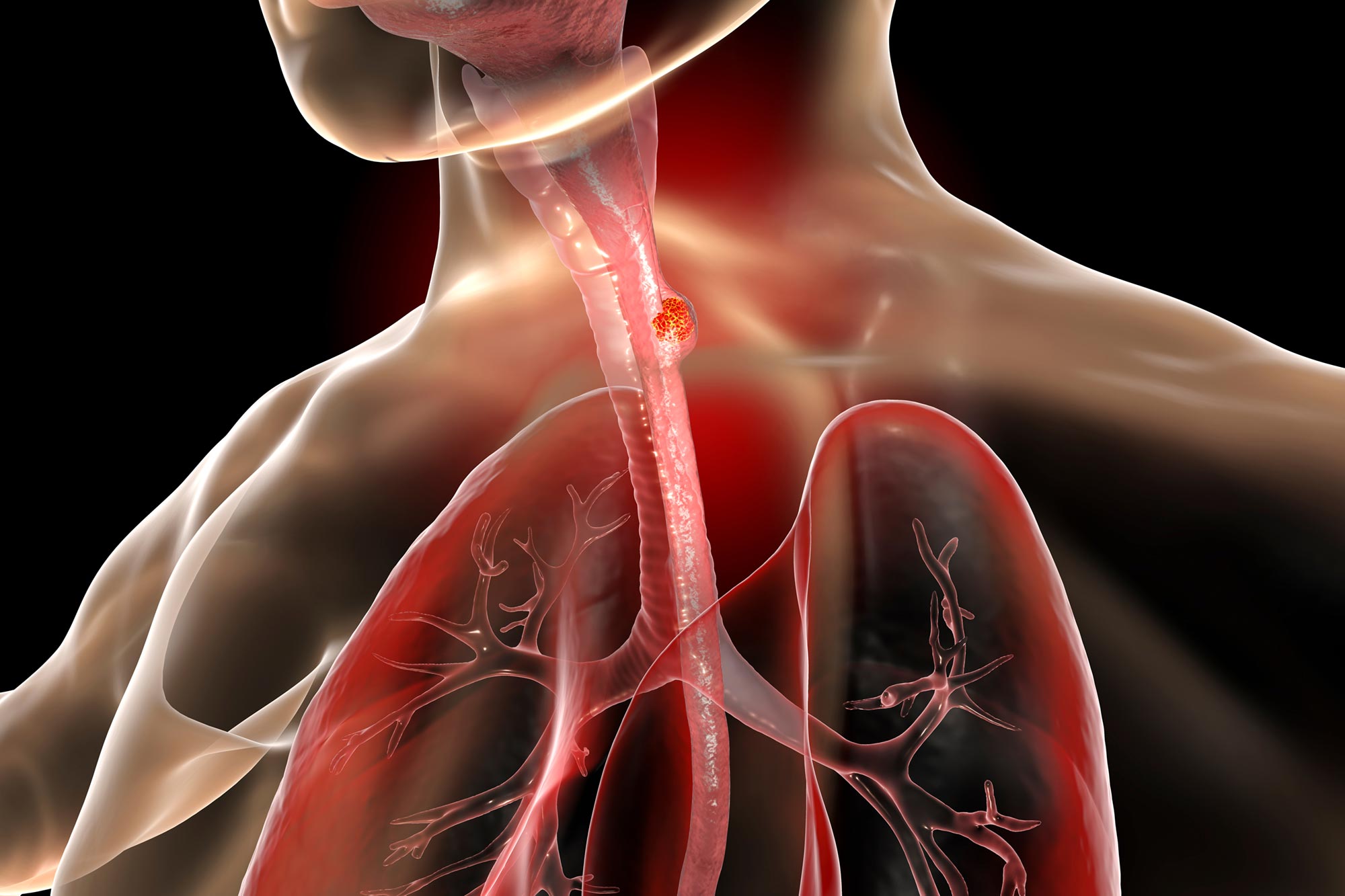
Esophageal cancer is insidious, often developing without noticeable symptoms until it’s too late. Yet beneath its seemingly invisible surface lies a connection to Barrett’s esophagus, a precursor that may give us the window of opportunity for early diagnosis and intervention. Let’s delve into these early warning signals that are hiding in plain sight and explore the implications of recent research.
The Silent Rise of Esophageal Cancer
Esophageal cancer is increasingly prevalent, rising sharply in countries that have largely gone unnoticed—particularly the developed world. This malignancy, specifically esophageal adenocarcinoma (OAC), has become the sixth deadliest cancer globally, making awareness and understanding of this disease paramount. What makes this cancer particularly challenging is that many patients are diagnosed at advanced stages, leaving limited treatment options.
Why is this the case? It’s primarily due to a lack of visible symptoms and, at times, the absence of the red flags we’ve learned to look for. It’s a fickle foe, often masking itself behind harmless symptoms like heartburn or indigestion—symptoms most people ignore or attribute to less serious conditions.
The Role of Barrett’s Esophagus
At the crux of the issue lies Barrett’s esophagus, a condition that develops when the lining of the esophagus changes due to chronic acid exposure, often as a result of gastroesophageal reflux disease (GERD). A staggering estimate suggests that 3 to 13 out of every 100 individuals with Barrett’s esophagus may develop OAC during their lifetime. However, the discernible signs of Barrett’s may vanish, leaving no trace during examinations, and with that, the opportunity for timely intervention can slip away.
Recent research published in Nature Medicine has illuminated the pathway from Barrett’s esophagus to esophageal cancer more clearly than ever before, revealing that the earliest signs of cancer may be detectable at a molecular level long before they can be seen visually.
A Promising Investigation
Professor Rebecca Fitzgerald from the Li Ka Shing Early Cancer Institute at the University of Cambridge has led this pivotal research. She asserts that cancer evolution typically spans numerous years, giving us a significant window to detect and prevent its onset. The question she and her team sought to answer was whether Barrett’s esophagus is a required precursor for OAC—an inquiry that had significant implications for screening and prevention.
In a groundbreaking approach, the researchers examined clinical data from 3,100 patients undergoing surgery to remove tumors or diseased tissue. They also utilized whole-genome sequencing to probe the genetic makeup of these cancers. The goal? To uncover whether genetic differences existed between cancers that did and did not originate from Barrett’s esophagus.
Uncovering Genetic Consistency
The findings were striking. The team found that over one-third of participants had a confirmed diagnosis of Barrett’s esophagus—but remarkably, tumors demonstrated nearly identical genetic mutations regardless of Barrett’s diagnosis. This indicates that, while Barrett’s may not always be detectable, its fingerprints remain evident at the molecular level.
This is where the narrative gets really captivating. Researchers identified two particular proteins, TFF3 and REG4, which were present in esophageal cells throughout various disease stages, even before cancer formation. This suggests that as tumors grow, they may obliterate the original Barrett’s tissue—but the underlying molecular markers remain detectable.
This revelation not only sheds light on the relationship between Barrett’s esophagus and OAC but also opens the door for future molecular screenings that could identify high-risk individuals long before symptoms appear.
Rethinking Screening Strategies
Dr. Shahriar Zamani, one of the lead authors of the study, emphasized that the research demonstrated a clear and universal link between Barrett’s esophagus and esophageal adenocarcinoma. As a result, early detection of Barrett’s could serve as a critical protective measure against esophageal cancer.
The call for more sensitive and minimally invasive tests is growing louder. Utilizing molecular markers rather than exclusively relying on visible anatomical changes offers a groundbreaking approach to identifying individuals at risk. The idea is built on the premise that if we can detect the earliest signs that malignancies may develop, we can intervene before they morph into serious health threats.
To achieve this, healthcare systems would need to recalibrate screening methods, potentially integrating these molecular tests into routine check-ups for those at higher risk.
The Importance of Heightened Awareness
While technology and research continue to advance, it’s essential for the public to be educated about the early warning signs of esophageal cancer. Recognizing the subtle symptoms and understanding their implications can mean the difference between treatment and tragedy.
Individuals should be educated about risk factors such as chronic acid reflux, smoking, obesity, and age, as well as the importance of getting regular check-ups. Knowledge is power; by being informed, potential patients become advocates for their own health.
How Can We Move Forward?
The latest findings present an opportunity for community outreach and awareness initiatives. Imagine a scenario where regular screening occurs in primary care settings rather than specialist referrals. This could lead to more people being tested for Barrett’s esophagus, ensuring that intervention happens before it escalates into esophageal cancer.
Moreover, stakeholders in the healthcare sector must work together, integrating research insights into clinical practice to ensure an upward trajectory in patient outcomes.
A Vision for the Future
The journey towards better detection and treatment of esophageal cancer is far from over, but the recent research provides a solid foundation upon which to build. With the emergence of new biomarkers and innovative technologies, we stand at the precipice of a transformative era in cancer screening and treatment.
Achieving effective outcomes necessitates collaboration among researchers, healthcare providers, and patient advocacy groups. It also requires an engaged public that is eager to learn about potential risks and recognize early warning signs.
In Conclusion
The discovery of hidden early warning signals of esophageal cancer in conjunction with Barrett’s esophagus presents a unique opportunity for both individual empowerment and collective action. While esophageal cancer may often occur without visible symptoms, it doesn’t have to be a death sentence.
The more we recognize the signs, understand the connections, and push for better screening strategies, the better equipped we will be to tackle this formidable foe. As we advance in research and awareness, we inch closer to a world where esophageal cancer becomes a more manageable condition, one that people don’t fear but are ready to fight head-on.
Understanding these intricate relationships is not just an academic pursuit; it is a rallying cry for a healthier tomorrow, where knowledge, action, and innovation converge to save lives. So, let’s challenge ourselves to stay informed, stay engaged, and advocate for the transformative changes that can make a difference in the journey against esophageal cancer. Together, we can shine a light on those early warning signals that may be hiding in plain sight.