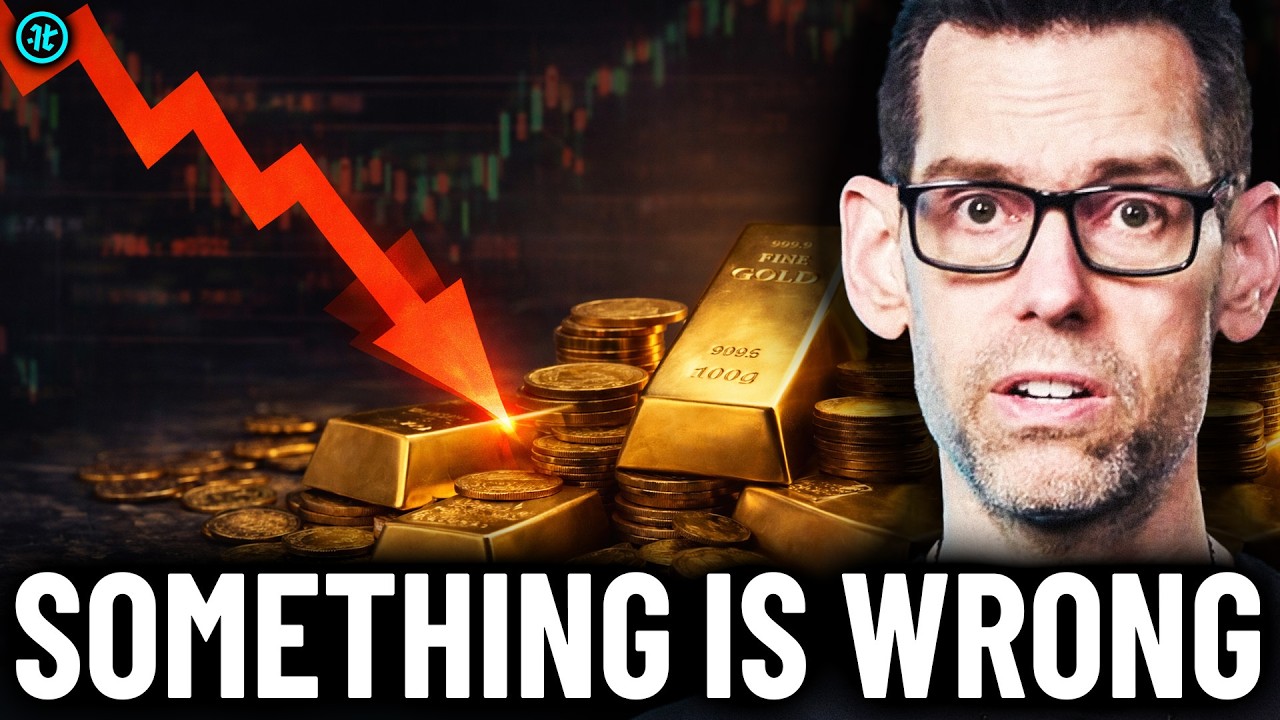
- Gold’s recent performance marks the most significant decline in four decades.
- Economic systems influencing gold prices exhibit increasing volatility.
- A closer look at the correlation between gold prices and global economic indicators.
- The systemic issues affecting investor confidence and market stability.
- Implications for future gold investments and asset diversification strategies.
Gold has long been regarded as a safe haven for investors, especially during times of economic uncertainty. However, recent market activity indicates that gold just experienced its worst week in over 40 years. This decline is not only shocking but reveals deeper issues linked to global economic systems. Understanding these details can illuminate why this happened and what it means for investors and economic actors alike.
The performance of gold is often a reflection of investor sentiment and economic health. When gold prices tumble as sharply as they have, it often suggests underlying systemic problems that extend beyond mere market fluctuations. The factors driving gold prices include interest rates, inflation rates, and overall economic stability. Each of these elements serves as a barometer for investor confidence, which can lead to significant swings in market behavior.
Turmoil in the gold market frequently signals a broader economic malaise. Volatility in golden assets becomes particularly prevalent in times of inflation, which erodes real returns on other investment vehicles such as stocks and bonds. When inflation spikes, the traditional argument for gold as a protective asset may be called into question. Investors shifting their focus to other asset classes can accelerate these price declines.
Furthermore, interest rates play a critical role in determining the attractiveness of holding gold. When central banks raise rates, the opportunity cost of holding non-yielding bullion increases. Investors often opt for interest-bearing assets, leading to diminished demand for gold. This recent downturn in gold prices suggests that many investors are recalibrating their portfolios in anticipation of changing economic conditions.
Economic indicators are essential for understanding the trends affecting gold prices. Inflation rates, measured through various indices like the Consumer Price Index (CPI), are particularly telling. When inflation is anticipated to rise or has risen significantly, gold typically sees a price increase as a hedge. Recent data, however, has shown stabilizing inflation in certain markets, leading to a re-evaluation of gold’s place in investment portfolios.
Another crucial factor to consider is global supply chains. A strained supply chain can contribute to inflation as production costs surge. Raw materials, labor shortages, and transportation bottlenecks can significantly impact economic performance. In this context, gold becomes a refuge during acute economic stress. Nevertheless, if the market perception shifts towards recovery, this can result in a rapid sell-off, further destabilizing prices.
Moreover, geopolitical tensions present an invaluable backdrop for gold market dynamics. The ongoing conflict in multiple regions impacts investor confidence; thus, gold may experience price fluctuations based on global news cycles. Nevertheless, the recent decline shows that market participants are not only affected by these tensions but also by a perceived diminishing of the crisis’s urgency, which alters their investment strategies. This perceived stability diminishes gold’s appeal as a safe haven.
Investment sentiment is another critical element worth examining. Recent market activities suggest that traders are more focused on sectors offering promising returns, potentially at the expense of traditional safe-haven assets like gold. The behavior of hedge funds and institutional investors plays a significant role in this shift. If they perceive a potential downturn in an asset’s price, they may divest, contributing to downward pressure on gold prices.
As we explore how recent declines have impacted investor psychology, it becomes clear that the trust in gold as a reliable investment vehicle is wavering. This leads to significant implications for future market movements. If investors lose faith in gold as a store of value, it may take considerable time for them to regain that trust. Such shifts can heavily affect long-term capital flows.
Furthermore, discussion about whether gold remains a viable component of an investment portfolio is critical. Asset diversification strategies often include gold as a key element for stability and risk management. Yet, this recent downturn prompts investors to reassess their allocations. Alternatives may include cryptocurrencies and real estate, both of which present unique benefits and challenges compared to traditional assets like gold.
In terms of legacy investment strategies, the findings suggest a paradigm shift in how investors should look at gold in the coming years. For example, as economic volatility becomes more common, deploying a multifaceted investment strategy that blends various asset classes could reduce risk and improve outcomes. This shift may involve using gold in a more tactical way rather than as a long-term hold.
Economic systems beneath these market fluctuations are undeniably complex and interconnected. Issues surrounding monetary policy and regulatory frameworks can dramatically shift what it means to invest in gold. Investors must therefore pay keen attention to governmental policies and central bank strategies that dictate money supply and interest rates, as these elements directly impact gold’s utility and attractiveness.
The interplay between supply and demand also remains vital in evaluating gold’s future. Should inflationary trends persist, the demand for gold may stabilize or even rise. Conversely, if economic indicators reassure investors, gold’s value could continue to decline. As the economic landscape fluctuates, a careful analysis of these dynamics becomes essential for investing wisely.
Investors should remain attuned to shifts in global and domestic markets. Economic downturns often come with increased volatility and uncertainty. The savvy investor will recognize the need to remain flexible, ready to pivot as conditions change. Being too rigid in investment philosophy can lead to unnecessary losses, especially in environments where asset valuations are in constant flux.
Understanding these principles will aid investors in navigating this challenging landscape. There are lessons to be gleaned from previous market downturns. While these declines may seem discouraging, they also offer opportunities for those willing to adapt. The ability to respond timely to market signals can provide a competitive advantage.
Moreover, an informed approach to investing considers not just current market valuations but also long-term trends in economic cycles. The current landscape offers more than challenges; it presents new opportunities for growth, understanding of the systemic factors that may generate future wealth, and strategies that acknowledge the impermanence of asset values.
Now more than ever, a comprehensive grasp of market dynamics, investor psychology, and global economic indicators plays a crucial role in deciding how to allocate resources. The recent decline in gold serves as a stark reminder of the underlying complexities that characterize today’s financial markets. Rather than ignoring these shifts, they must be analyzed diligently to inform better investment decisions.
Investors should look beyond the immediate effects of gold’s drastic price drop and consider its far-reaching implications. Understanding what underpins the financial markets will allow individuals to make sound, informed choices in utilization of their investment capital. The dialogue surrounding gold remains critical to understanding asset allocation in uncertain times. Such insights offer a framework for advancing dialogue about investment philosophies, portfolio management, and economic sustainability in contemporary settings.
*****
Source Description
Monetary Metals: Future-proof your wealth at https://monetary-metals.com/impact
Paleovalley: 30 for $36 https://paleovalley.com/offers/protein-sticks-36-72?utm_source=youtube&utm_medium=Bilyou
In this episode of Impact Theory, we dive deep into one of the most dramatic and perplexing events in the financial markets: gold’s worst week in 43 years—an event made even more shocking by its timing during a major war and economic turmoil. Traditionally seen as a safe haven in crises, gold’s unexpected plunge signals that something far deeper is at play beneath the surface.
Tom unpacks why this isn’t just about commodities or geopolitical tension, but about the very plumbing of the global economy—the credit system, specifically the little-understood Eurodollar market that moves money across borders, largely outside the control of central banks. As markets tip into correction territory, oil prices spike, and trust within the financial system erodes, we’ll explore how early warning signs—echoing the 2008 financial crisis—are flashing red.
Through a five-part breakdown, you’ll learn why credit, not war, may be the true culprit behind the recent commodity crash, how the invisible engine of the global monetary system is seizing up, and what it means for your financial future. Most importantly, Tom offers practical strategies on how to navigate these uncertain times—covering asset allocation, managing liquidity, diversification, and emotional resilience.
Get ready for a timely, eye-opening analysis designed to help you survive—and even thrive—amidst growing financial turmoil.
00:00 – Intro
03:06 – Part 1: The Gold Sell Off That Makes No Sense – Unless You Know This
10:46 – Part 2: The Hidden Engine That Runs the Entire World
18:51 – Part 3: We’ve Seen This Movie Before
28:24 – Part 4: The Amplifier Nobody Is Talking About
33:10 – Part 5: What You Do Now
Summ: code TOMVIP20 for 20% off your first year at https://summ.com?via=tombilyeu&coupon=TOMVIP20
FOLLOW TOM:
Instagram: https://www.instagram.com/tombilyeu/
Tik Tok: https://www.tiktok.com/@tombilyeu?lang=en
Twitter: https://twitter.com/tombilyeu
YouTube: https://www.youtube.com/@TomBilyeu