- The role of microbes in human health
- The impact of diet on microbial diversity
- The relationship between microbiomes and metabolic diseases
- Strategies for improving gut health through nutrition
- The implications of microbial insights for future health practices
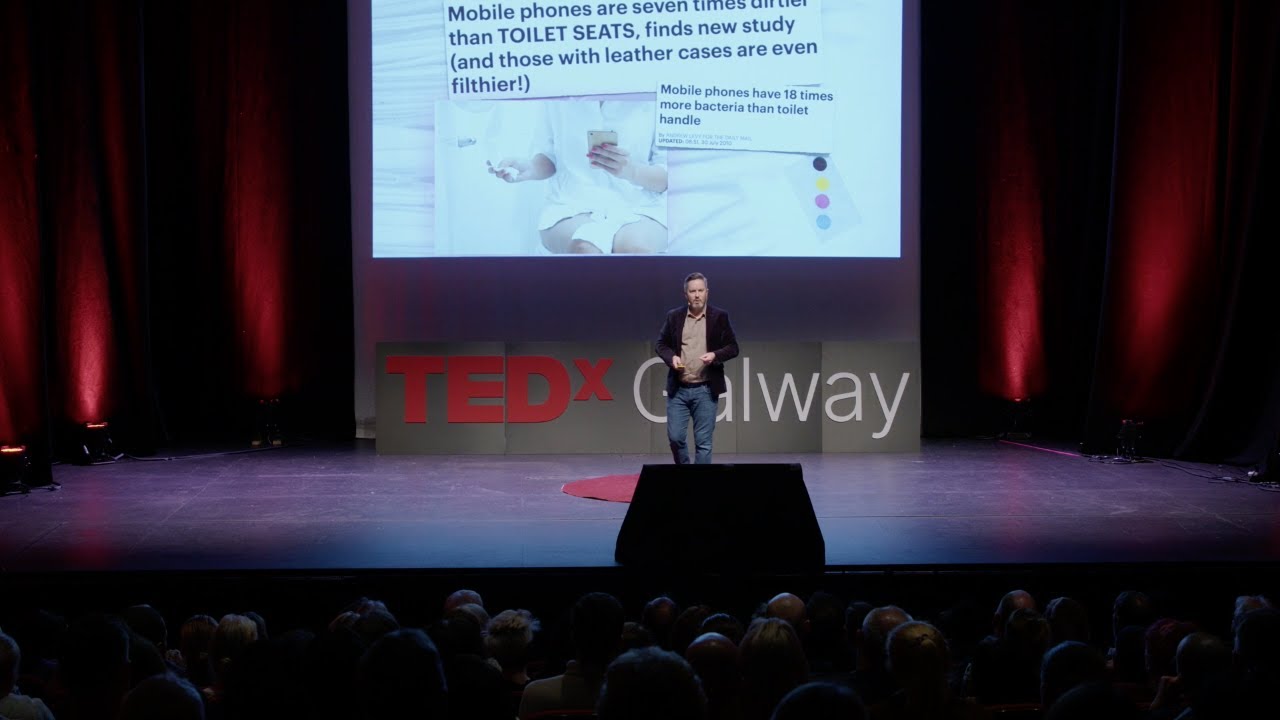
Microbes, often considered the unseen inhabitants of our bodies, play a pivotal role in our overall health. The human microbiome, a community of trillions of microorganisms residing primarily in the gut, has gained significant attention in recent years. Gavin Collins, in his TEDxGalway talk "Give Microbes a Chance," emphasizes the importance of these microscopic entities in shaping our bodily functions, particularly in relation to diet and metabolic diseases. Understanding this intricate relationship can influence health choices and strategies.
The role of microbes in human health is foundational. Each individual harbors a unique microbiome influenced by genetics, environment, and lifestyle. These microbes perform various functions including aiding in digestion, synthesizing essential nutrients, and even playing a role in immune system regulation. Research indicates that a well-functioning microbiome can help stave off diseases, including metabolic disorders, obesity, and even some autoimmune conditions. By considering these microorganisms as partners in health, individuals can start to see how their diet and lifestyle choices affect not only their microbiome but also their overall well-being.
Diet has a significant impact on microbial diversity. Consuming a diet rich in fiber, fruits, vegetables, and whole grains can promote beneficial microbial populations. These foods serve as the primary source of nourishment for gut bacteria, enabling them to thrive. Conversely, high-sugar and high-fat diets often lead to a decline in microbial diversity, which can cause imbalances in the gut. Such imbalances can manifest in various ways, including inflammation, digestive issues, and increased susceptibility to chronic diseases. Collins highlights the importance of dietary choices in nurturing a healthy microbiome, suggesting that food can be utilized as a tool for fostering microbial balance rather than simply its nutritional composition.
The link between microbiomes and metabolic diseases is an area of active research. Conditions such as type 2 diabetes and obesity have been associated with specific microbial profiles. For instance, an increased ratio of Firmicutes to Bacteroidetes in the gut has been linked with obesity. This imbalance can lead to increased energy extraction from food, contributing to weight gain. Similarly, studies have hinted that certain bacteria can influence insulin sensitivity, an essential factor in metabolic health. Understanding the microbial determinants of these conditions can provide insights for targeted interventions, potentially leading to personalized dietary recommendations designed to restore health.
To promote gut health, several nutritional strategies can be employed. Probiotics, usually found in fermented foods such as yogurt, kefir, and sauerkraut, can enhance gut microbiota composition. Prebiotics, non-digestible fibers found in foods like onions, garlic, and bananas, serve as food for beneficial bacteria, fostering their growth. Moreover, a diverse diet that includes a variety of different plant foods is crucial for maintaining a robust microbiome. Research suggests that dietary diversity is linked to increased microbial richness, which correlates with health benefits. By incorporating these elements into their diets, individuals can significantly impact their microbiota composition in favor of good health.
The implications of microbial insights for future health practices are both profound and promising. As research continues to unfold, the potential for microbiome-based interventions is expanding. Personalized nutrition plans grounded in an understanding of individual microbiomes could offer tailored health solutions. For instance, determining an individual’s unique microbial makeup might help in designing dietary interventions specific to their needs, potentially leading to more effective management of chronic diseases. Public health initiatives could also harness these insights to promote healthier dietary habits at a community level, improving overall health outcomes.
Emerging studies suggest an actionable path forward for health practitioners, researchers, and the public. By shifting the focus from a traditional view of diet solely as a source of macro- and micronutrients to a more integrated perspective that includes the microbiome, a more holistic approach to health can be achieved. This shift can serve to empower individuals to make informed dietary choices that support both their microbiome and overall metabolic health. The correlation between a well-nurtured microbiome and better health outcomes reinforces the adage, "you are what you eat," urging a deeper exploration into dietary habits and their microbial consequences.
The discussion on microbes is crucial, as it highlights an often-overlooked aspect of health. The focus traditionally placed on calories, fats, and sugars neglects the complexity of how our bodies interact with food on a microbial level. The understanding that specific foods can cultivate beneficial or harmful microbial populations opens a new dimension in nutritional science. As our understanding of the microbiome advances, it has the potential to drive transformative changes in healthcare practices and personal eating habits, making it essential to integrate these insights into everyday considerations.
Engaging with this knowledge requires a shift in perception, viewing food not just as fuel but as a dynamic entity that interacts profoundly with our physiology. Knowing which foods can enhance or detract from microbial health offers significant empowerment. Moreover, the incorporation of microbial principles into public health strategies could lead to more effective educational campaigns about diet and nutrition.
In light of this growing understanding, the importance of fostering microbial health cannot be overstated. Collaborative efforts between researchers, dieticians, and public health officials can help bridge the gap between scientific research and practical application. By promoting a microbiome-friendly lifestyle, individuals may reap the benefits of improved health, reduced disease risk, and enhanced quality of life.
The exploration of our microbial partners is not just a curiosity; it is an invitation to rethink our dietary choices. As the body of research grows, so does the imperative to incorporate these insights into daily living. Advocating for a varied, fiber-rich diet can serve to cultivate a thriving microbiome, setting the stage for better metabolic health and reducing the prevalence of related diseases.
The call to "give microbes a chance" resonates clearly—in nurturing these unseen allies, we stand to gain extensive health benefits. So, as individuals consider their diets, they can actively choose to prioritize not only what they eat but also how it impacts their internal microbiome. This multifaceted consideration opens up promising avenues for healthier lifestyles and serves as a basis for future research and health interventions that prioritize microbial health through nutritional approaches. Each small choice can contribute significantly to the larger picture of health, impacting not just individuals but communities on the whole.
*****
Source Description
Our carbon cycle is out of balance. Since the Industrial Revolution, there has been a sharp increase in Greenhouse gases in our atmosphere. The problem is only going to get worse, if we do nothing to stop it. Gavin breaks down the stigma surrounding microbes, while explaining how they might be used for sustainability purposes, and be used to rebalance our carbon cycle. Gavin Collins is a Fellow of the Royal Society of Biology and associate professor of Microbiology at University of Galway, where he investigates the use of complex microbiomes for environmental solutions. He is a former Charlemont Fellow (Royal Irish Academy), and Ireland-Canada University Foundation Fellow, and is a European Research Council laureate. He is a Fulbright Scholar, and visiting professor at the University of California Berkeley, where he is also a member of the International Bioeconomy and Macroalgae Center. This talk was given at a TEDx event using the TED conference format but independently organized by a local community. Learn more at https://www.ted.com/tedx