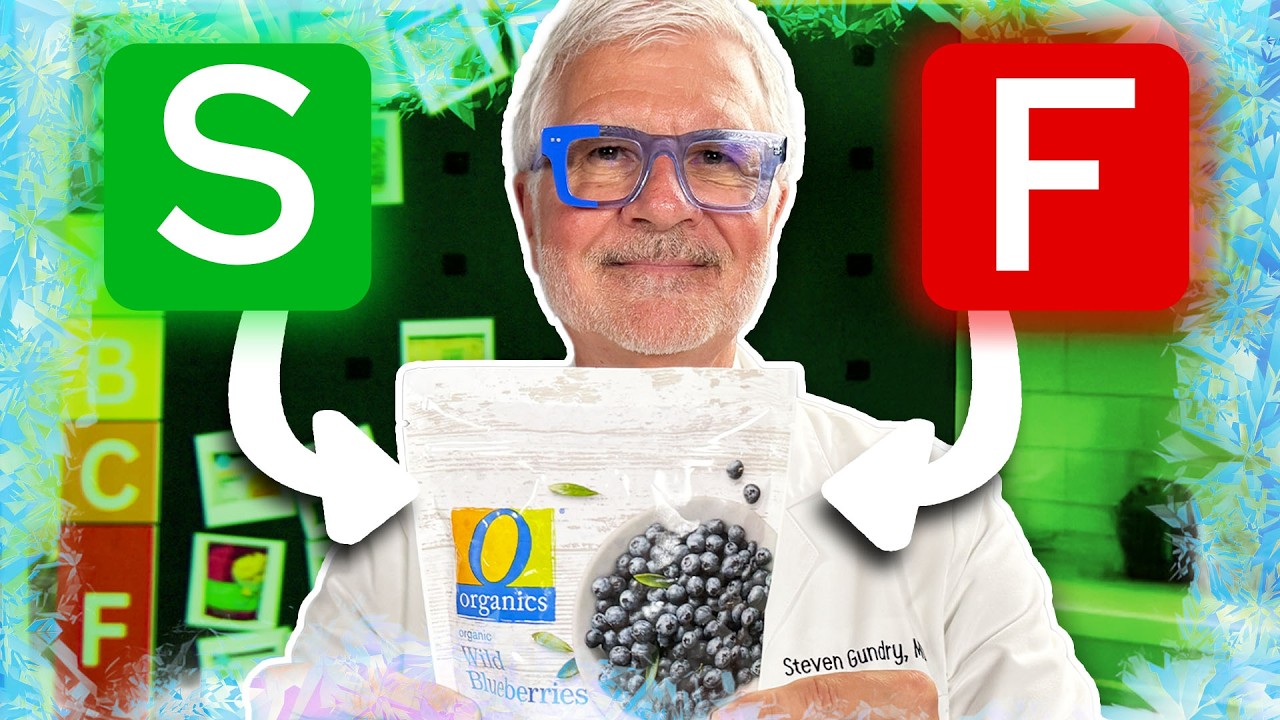
- Understanding the Tier List Rankings of Frozen Produce
- Evaluating Nutrient Retention in Frozen Foods
- The Role of Frozen Produce in a Healthy Diet
- Insights from Dr. Gundry’s Rankings
- The Environmental Impact of Frozen Produce
The process of ranking frozen produce has gained attention, particularly with Dr. Gundry’s assessments. His tier list provides a structured perspective on what frozen options might be most beneficial for health. Knowing where different items land in this hierarchy can empower informed food choices.
Frozen produce goes through a preservation process shortly after it is harvested, which locks in nutrients. This technique allows for the retention of vitamins and minerals that might degrade in fresh produce over time. When comparing fresh to frozen, one substantial advantage of the latter is its leading potential in preserving nutrient integrity while extending shelf life.
However, not all frozen produce is equal. Dr. Gundry’s tier list categorizes options based on various factors, including glycemic load, antioxidant levels, and their overall health benefits. For instance, the list may highlight berries, which tend to be low in sugar and high in antioxidants, placing them high on the health scale. In contrast, starchy vegetables such as corn may receive a lower ranking, reflecting their higher carbohydrate content that could impact insulin sensitivity negatively.
Frozen fruits, particularly berries and cherries, stand out in Dr. Gundry’s evaluations. These fruits not only offer a low glycemic load but are also rich in antioxidants. Their consumption may help reduce inflammation and combat oxidative stress, making them a favorable option for maintaining metabolic health. They are often found at the top of the tier list due to these attributes.
On the other hand, vegetables such as spinach and broccoli often receive high ranks as well. They are nutrient-dense, providing ample vitamins K, C, and A, along with fiber. Such attributes contribute positively to digestive health and have potential protective effects against certain chronic diseases. When frozen, these vegetables usually retain their nutritional value, thereby making them practical choices for a balanced diet.
In contrast, Dr. Gundry’s tier list reflects a more cautious stance toward certain frozen produce items like peas and corn. While they can still be considered healthy in moderation, their higher carbohydrate content can pose challenges for those managing insulin levels. These aspects underscore the importance of understanding individual dietary needs and how different foods can impact them.
The inclusion of frozen produce in a meal plan offers convenience without sacrificing health benefits. For instance, when using frozen vegetables in a stir-fry or smoothie, individuals can easily incorporate a variety of nutrients without the hassle of spoilage. Accessibility to frozen items contributes positively to dietary diversity, particularly in seasons when fresh produce might be less viable.
Dr. Gundry’s insights emphasize that the overall context of one’s diet matters significantly. The interaction of different foods, their glycemic loads, and their impact on insulin sensitivity can shape health outcomes. Thus, while frozen produce ranks may provide guidelines, personalized nutrition that considers one’s metabolic responses takes precedence.
Environmental considerations also play a vital role in the frozen produce narrative. The demand for frozen items has implications for agriculture and resource consumption. Typically, freezing allows for reduced food waste, as long as items are consumed within their optimal storage periods. Moreover, advance technology in freezing processes has led to energy-efficient practices that contribute to sustainability.
Furthermore, the implications of this tier list extend beyond individual health. Choosing high-ranking frozen produce supports personal wellness and can minimize food waste, aligning with broader environmental stewardship goals. By fostering a connection between dietary choices and ecological impact, individuals can promote sustainable consumption patterns.
Engaging with these concepts contributes to a more informed public dialogue on nutrition and eating practices. The landscape of dietary advice continues to evolve with ongoing research. Thresholds for what constitutes healthy eating often shift as scientists uncover new data.
Frozen produce tier lists, such as the one curated by Dr. Gundry, serve as a valuable tool in navigating food choices. They shed light on products that effectively support health goals without compromising nutrition. Moreover, they offer a pragmatic approach to understanding the complexities of food consumption and its wider implications for wellbeing and the environment.
In conclusion, savory frozen items offer notable health benefits justifying their inclusion in a tiered ranking. So, as the dialogue surrounding nutrition progresses, an awareness of these rankings can empower individuals to make informed dietary choices. The growing interest in frozen produce not only hints at evolving food trends but also reinforces the connection between dietary habits and health outcomes.
*****
Source Description
Can you eat some of your favorite produce year-round without losing any health benefits?
In this installment of Gut Instincts, Dr. Steven Gundry puts Frozen Produce up to the test! Will your favorite be ranked a Superfood and which might not be as gut-friendly as you think…
Watch as Dr. Gundry breaks down what makes some frozen produce gut-friendly and nutrient-rich and uncovers the frozen items that may be sneaking unwanted additives into your diet.
———————-
Purchase Gundry MD products ➡️ https://rebrand.ly/GundryMD-YT ⬅️
Take 30% off any regularly priced item with discount code: YT30
———————-
⬇️ Become a channel member ⬇️ https://www.youtube.com/channel/UC4ODXZL2r3XepieV0uoRjNA/join
———————-
Follow Gundry MD
👥Facebook: facebook.com/GundryMD
📸Instagram: @gundrymd
📌Pinterest: pinterest.com/gundrymd
🎵TikTok: @gundrymd
#GundryMD #GutHealth #GutHealthTips #FoodTierList #tierlist #superfoods #superfood