- The implications of the recent Federal Reserve meeting on consumer savings.
- How changes in interest rates impact personal finances.
- The relationship between inflation and savings accounts.
- The hidden consequences of monetary policy on everyday Americans.
- Strategies to safeguard personal savings against potential risks.
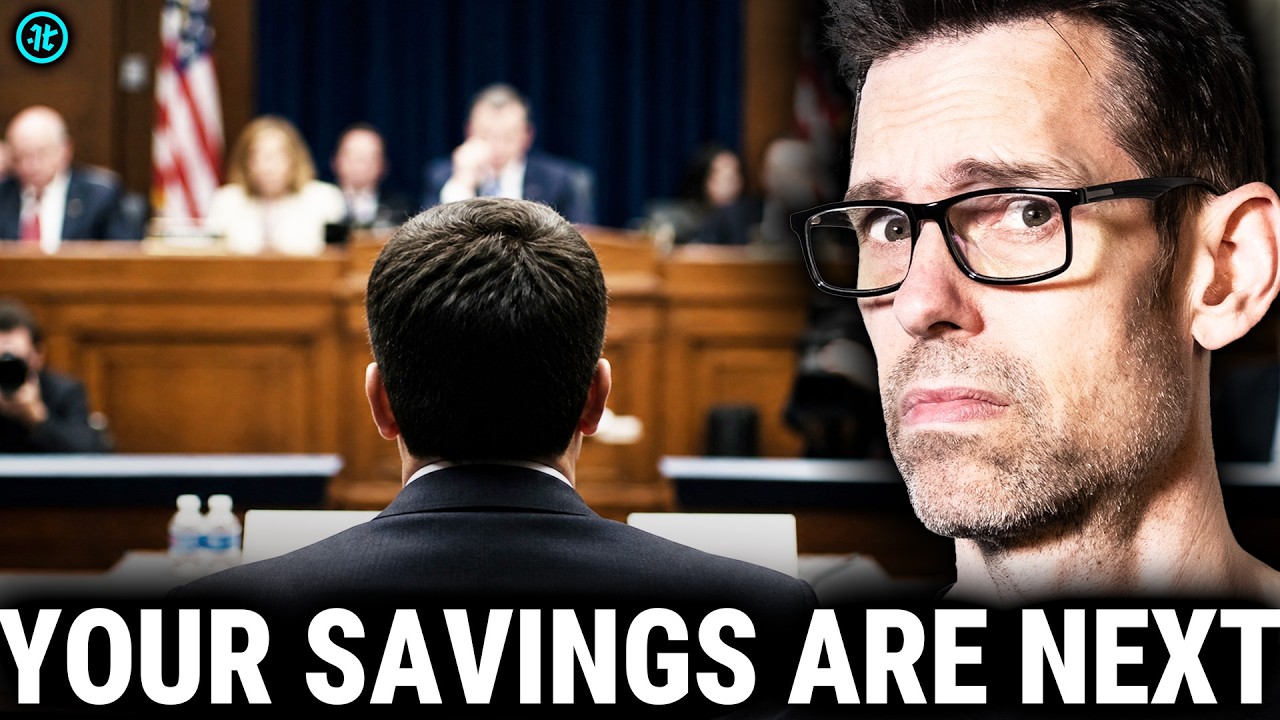
The recent address by the new Federal Reserve Chair to Congress has significant implications for consumers, particularly regarding savings. While the primary focus often centers on interest rates and inflation, the broader effects of these monetary policies merit closer examination. The conversation reveals an unsettling truth: while some aspects of the plan are articulated, critical consequences for savings remain obscured.
Understanding the interest rate environment is crucial for grasping the situation. The Fed implements these rates to control inflation and stabilize the economy. When interest rates rise, borrowing costs increase. This impacts everything from mortgage payments to credit card debt. While higher rates can eventually lead to improved savings rates, they also burden consumers who rely heavily on credit. Families already teetering on the edge of financial instability may find increased costs further strain their budgets. Thus, while the Fed might portray rate hikes as a path to healthier saving, for many, it creates immediate challenges.
Inflation also plays a pivotal role in the current landscape. When prices rise faster than wages, the purchasing power of savings diminishes. Individuals may feel the pressure as everyday essentials become increasingly costly. A savings account might look healthy on paper, but if inflation outpaces growth in that account, the true value of one’s savings erodes. The Fed’s policies need to acknowledge this relationship to avoid misleading consumers about their financial well-being.
Moreover, the absence of transparent communication regarding how monetary policies affect the average American is concerning. The new Fed Chair’s discussion lacked critical details about the ramifications of their strategies on personal savings. Without clear guidelines, consumers may not fully understand how to adjust their financial strategies to mitigate potential losses. For instance, individuals may not be aware that their savings could be at risk due to inadequate interest rates in an inflationary environment.
One salient point that often escapes public discourse is the market’s reaction to Fed announcements. Investors often move quickly, which can further exacerbate volatility in the stock and bonds markets. This rapid shift can trickle down to consumers, with reduced spending power impacting businesses and, ultimately, job security. Theoretically, a prosperous stop-gap policy could ease consumers’ fears, but if implemented without proper checks, this can lead to detrimental outcomes for the middle class, leaving them exposed to the risks instigated due to rapid changes.
Against this backdrop, it’s prudent for individuals to adopt strategies that protect their savings. Diversifying where and how savings are kept can minimize risks. Traditional savings accounts, while safe, often offer low returns. Individuals might explore high-yield savings accounts or short-term investment options that can provide better returns without excessive risk. Educating oneself about the landscape of savings products can yield significant benefits, especially during uncertain economic times.
Understanding how policy decisions create a ripple effect is paramount for personal finance planning. Consumers must pay closer attention to Fed announcements. Engaging with easily accessible financial news sources can aid in interpreting these updates better. An informed public can adapt more readily to changes in economic policy, thereby enhancing financial resilience.
In sum, the new Fed Chair’s communication to Congress has unveiled certain aspects of monetary policy. However, the potential impact on personal savings is critical and must not be overlooked. By examining interest rate adjustments, inflation, and the ripple effects of market reactions, individuals can better prepare for what lies ahead. Empowering themselves with knowledge and adapting their financial strategies can help safeguard their savings in an increasingly complex economic environment. Each consumer plays a vital role in navigating these financial waters and ensuring their future stability in the face of shifting policies.
*****
Source Description
Truemed: Check your eligibility and start saving at https://truemed.com/impact
Monetary Metals: Future-proof your wealth at https://monetarymetals.com/impact
On today’s episode of Impact Theory, Tom delivers a deep dive into the hidden mechanics behind America’s staggering national debt and the controversial strategies poised to shape our financial future. Most believe the U.S. has never defaulted, but history tells a different story—with lessons that may be about to repeat. As rumors swirl about Kevin Warsh’s potential appointment as Federal Reserve chairman and his supposed plan to “cancel” $39 trillion in debt, Tom strips away political spin, exposes the truth about “financial repression,” and reveals how governments have used invisible taxes like inflation to quietly strip wealth from savers.
In this episode, you’ll learn the four-part “repression playbook” that got the U.S. out from under a mountain of debt after WWII—at tremendous cost to the middle class—and why the same tactics may soon be deployed on an unprecedented scale. From bank regulations and digital currencies to the risky bet on artificial intelligence, Speaker A unpacks not only Warsh’s public plan, but also the real, unspoken strategy built into the system—one that could dramatically accelerate the wealth gap and leave the financially illiterate holding the bag.
Get ready for a no-nonsense breakdown of modern monetary policy, the mechanics of wealth transfer, and practical advice on protecting yourself as invisible forces reshape the economy. Stay tuned—this is an episode you can’t afford to miss.
00:00 – Intro
02:36 – Part 1: The Repression Playbook
08:46 – Part 2: The Architecture of Warsh’s Public, PR-Friendly Plan
19:41 – Part 3: The Architecture of Warsh’s Actual Plan
27:28 – Part 4: Who Suffers When We Soft Default Through Inflation?
Sign up for my AI Masterclass: https://tombilyeu.com/ai-masterclass
Check us out wherever you get your podcasts:
Spotify:https://open.spotify.com/show/1nARKz2vTIOb7gC9dusE4b?si=a8daffd2bf1f48fd
Apple: https://podcasts.apple.com/us/podcast/tom-bilyeus-impact-theory/id1191775648
Do you need my help?
STARTING a business: join me here inside ZERO TO FOUNDER (https://tombilyeu.com/zero-to-founder)
Get the exact systems, mindset shifts, and principles that built a $1B brand delivered straight to your inbox every week. Subscribe for free (https://tombilyeu.com)
Check out our Video game – Project Kyzen: (https://projectkyzen.io/)
Catch Me Streaming on Twitch – (https://twitch.tv/tombilyeu)
Link to IT discord: https://discord.gg/TZKJ2etPbT
Tom’s Favorite Things List: https://amzn.to/41Ftt7e
FOLLOW TOM:
Instagram: https://www.instagram.com/tombilyeu/
Tik Tok: https://www.tiktok.com/@tombilyeu?lang=en
Twitter: https://twitter.com/tombilyeu
YouTube: https://www.youtube.com/@TomBilyeu
