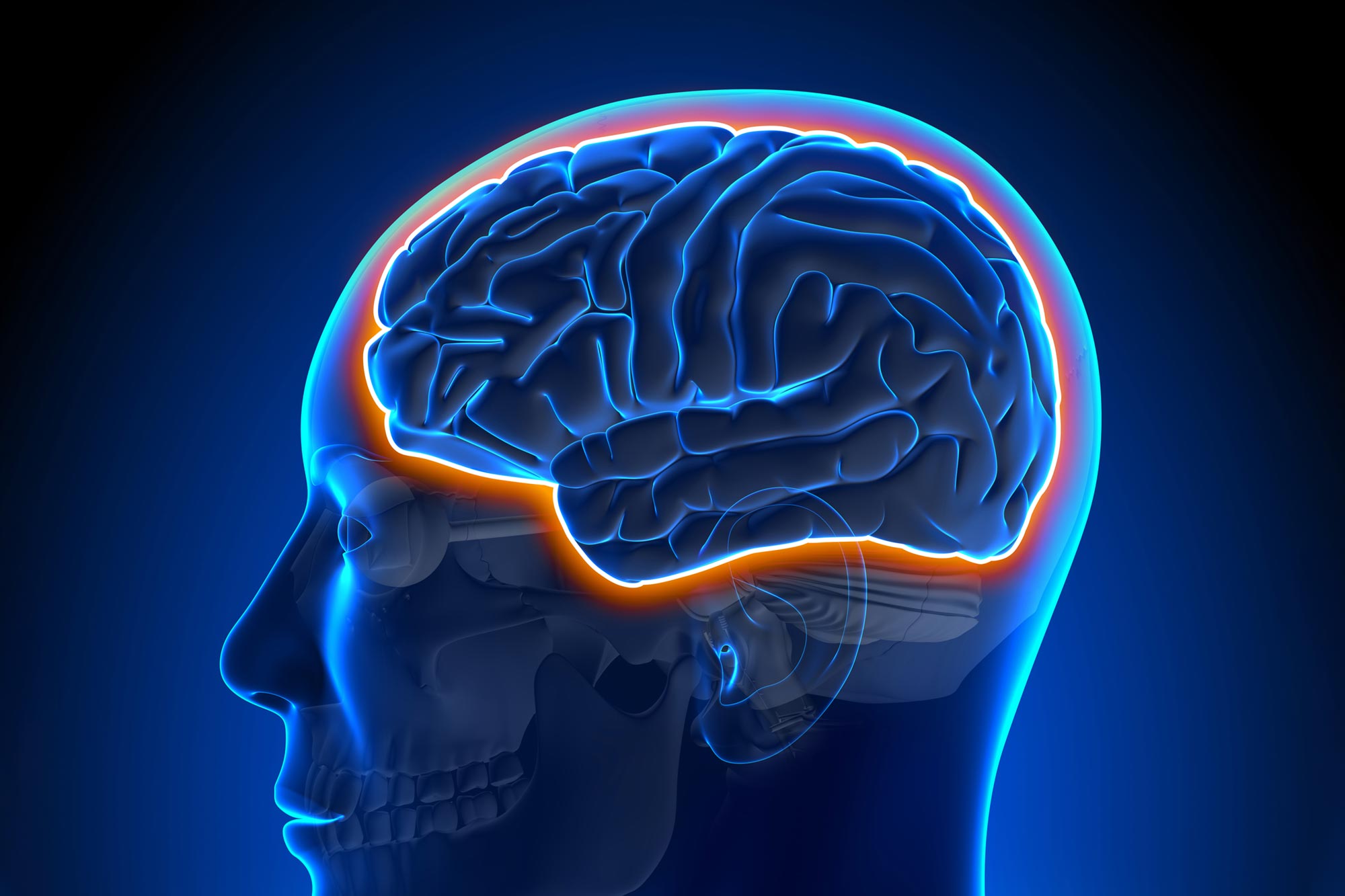
Summary of Aging Makes the Brain Leaky but Exercise Fights Back:
Researchers at UC San Francisco have discovered that regular exercise can strengthen the brain’s defenses against aging by enhancing the blood-brain barrier. As we age, this barrier weakens, allowing harmful substances to enter the brain and possibly leading to cognitive decline. The team found that exercise increases the enzyme GPLD1, released from the liver, which targets and removes the protein TNAP from blood-brain barrier cells. High levels of TNAP correlate with memory issues, while reducing it can restore the barrier’s integrity and improve cognitive functions in older animals. This research highlights the potential for new treatments targeting blood-brain barrier restoration, particularly for conditions like Alzheimer’s disease.
*****
Summary of Key Points
-
Aging and the Blood-Brain Barrier: As we age, the blood-brain barrier, a protective shield around the brain, weakens and can become leaky, allowing harmful substances to infiltrate and lead to cognitive decline.
-
Role of Exercise: Regular physical activity boosts levels of a liver enzyme, GPLD1, which helps restore the integrity of this barrier and fights back against age-related cognitive decline.
-
Mechanism of Action: GPLD1 targets a protein, TNAP, that accumulates in cells of the blood-brain barrier as we age. Reducing TNAP improves the barrier’s function, preventing damage to the brain.
-
Implications for Alzheimer’s: Understanding and potentially targeting TNAP could lead to new therapeutic approaches to combat conditions like Alzheimer’s disease and enhance brain health.
- Encouragement Towards Activity: Emphasizing the profound benefits of exercise serves as a motivating reminder that movement is a powerful tool to preserve cognitive function and overall well-being.
The Fascinating Interplay Between Aging, Brain Health, and Exercise
Aging gracefully is more than just about looking younger or maintaining energy levels; it is also about preserving cognitive function. Recent findings from scientists at UC San Francisco have unearthed a compelling narrative about how regular exercise serves as an ally against the silent challenges posed by our own aging bodies—particularly concerning the brain. As we dive into the details, the intersection of aging, brain health, and exercise reveals an inspiring story of resilience and defense.
Aging and the Blood-Brain Barrier
Our bodies are remarkably complex structures that evolve over time, but with each passing year, they also become more delicate. The blood-brain barrier (BBB) is a prime example of this evolution. Imagine it as a tight security system, built to keep the brain safe from potentially harmful substances present in the bloodstream. However, just like any aging infrastructure, this barrier can become compromised.
As years go by, the network of blood vessels that form the BBB becomes increasingly fragile. This weakening process can lead to its "leakiness," allowing unwanted molecules to slip inside, triggering an inflammatory response that is ominously linked to cognitive decline and neurodegenerative conditions, including Alzheimer’s disease.
You may wonder, then: What if we could repair this barrier? What if, armed with the right knowledge, we could strengthen its defenses?
The Power of Exercise
Welcome to the world of physical activity—our strongest contender against the decline that often accompanies age. A study revealed that when mice engaged in regular exercise, their livers produced higher levels of GPLD1, an enzyme that fosters rejuvenation within the brain. Curiously, however, this enzyme cannot directly enter the brain. This posed an intriguing puzzle: How does GPLD1 exert its effects if it can’t enter the very organ it aims to protect?
Bridging the Gap
Here’s where things get fascinating. The research team discovered that GPLD1 primarily operates by targeting TNAP (tissue-nonspecific alkaline phosphatase), a protein that accumulates in the cells comprising the BBB as we age. When these cells harbor too much TNAP, the barrier weakens, allowing harmful substances to penetrate.
However, as mice exercised, their livers released GPLD1 into the bloodstream. This enzyme traveled to the endothelial cells surrounding the brain, effectively trimming away TNAP from their surfaces. By clearing TNAP, exercise reinstated the BBB’s integrity and decreased leakage.
Dr. Saul Villeda, the study’s senior author, aptly remarked, "This discovery shows just how relevant the body is for understanding how the brain declines with age." It’s a dual focus: as we take care of our physical bodies, we simultaneously benefit our cognitive functions.
The Essential Role of TNAP
But why does TNAP matter so much? This protein’s accumulation in cells embodies a critical pathway associated with cognitive decline. In a groundbreaking experiment, researchers engineered younger mice to produce excessive TNAP. The result? These young animals exhibited memory and cognitive problems reminiscent of older mice. It starkly shows that while age dictates many biological processes, our choices can influence outcomes.
When the scientists employed genetic engineering to reduce TNAP levels in aged mice (equivalent to about 70 human years), there was a remarkable turnaround. The BBB became less leaky, brain inflammation saw a decline, and the mice excelled in memory tasks.
It’s like discovering a key that unlocks not just a door but an entire hallway of potential. This new understanding of TNAP’s role shines a light on how different aspects of the body interact as we age, underscoring the comprehensive nature of health.
Unpacking the Implications
What does this groundbreaking research mean for those of us navigating the aging process? The implications extend far beyond the immediate findings. Given that age-related cognitive decline and diseases like Alzheimer’s affect millions, developing drugs that can trim TNAP could offer revolutionary therapeutic possibilities.
Dr. Villeda pointed out that "we may be uncovering biology that Alzheimer’s research has largely overlooked." By shifting the focus to metabolic factors and their broader impacts on brain health, we could open up new avenues that traditional research hasn’t explored.
Motivation through Movement
All of this leads us to an uplifting conclusion: movement matters. The relationship between exercise and cognitive resilience serves as a revolutionary reminder. Our daily activities do more than just tone our muscles or maintain our weight; they play a crucial role in preserving our cognitive agility.
So, how can you harness this knowledge in your daily life? Consider setting small, achievable goals. A short, brisk walk can stimulate blood flow and, in turn, boost levels of beneficial enzymes like GPLD1. Join a dance class, take up a new sport, or even engage in simple stretching exercises. Each instance of movement can build upon the last, reinforcing both physical and mental health.
The Ripple Effect of Choosing Activity
Think about how each of your choices can create a ripple effect. Initiating activity sends signals throughout your body and brain that they are still engaged, still functioning optimally. The cascading benefits of this engagement extend toward not only your brain but your emotional and social well-being as well. Exercising can lead you to new friendships, heighten your mood, and foster a sense of community.
Communicating with others who share your motivations can inspire you to push your limits further. Consider joining local running clubs, yoga classes, or hiking groups. These not only keep your body moving but can also serve as wonderful catalysts for forming lasting relationships, often making the exercise feel less like a chore and more like a delightful endeavor.
Embracing Lifelong Learning
Another fascinating aspect of this journey is the role of lifelong learning. As you shift your body, explore new physical activities, or learn new skills, you are also rewarding your brain with fresh challenges. Engaging in mental exercises—whether it be picking up a new instrument, attempting puzzles, or traveling to new places—complements physical activity beautifully and contributes to overall cognitive health.
Just remember that the aim is not only about fighting aging; it’s about embracing life, filled with activity, curiosity, and growth. The more you understand the various connections between movement, memory, and mental wellbeing, the more powerful your journey can be.
Final Thoughts
The narrative that unfolds from these scientific endeavors provides an encouraging picture of aging. While the challenges of growing older are inevitable, how we respond to them—especially through exercise and activity—holds tremendous potential. Understanding the biological processes behind aging and how we can strategically influence them empowers us to lead enriched lives.
In conclusion, the discoveries surrounding the interplay of physical activity and brain health serve as a motivational clarion call. Every step, every movement, and every decision towards an active lifestyle can fortify your brain’s defenses and ultimately enhance the quality of your life. So, take that first step today, and let the dance of resilience begin in earnest.