Summary of Exercise Changes the Heart in a Way Researchers Never Expected:
Recent research from the University of Bristol reveals that regular aerobic exercise can physically reshape the nervous system controlling the heart, with different effects on the left and right sides of the body. The study focused on stellate ganglia, nerve clusters involved in heart rate regulation, and found that exercised rats developed significantly more neurons on the right side compared to the left. Additionally, left-sided neurons grew larger, while right-sided neurons became smaller. This suggests that exercise alters the nervous system unevenly, which might impact treatment for heart conditions like arrhythmias and stress-related heart problems. Further research in humans is necessary to explore these findings and their clinical implications.
*****
Summary Bullet Points
- Exercise not only strengthens muscles and improves endurance but also alters the nervous system that regulates heart function in unexpected ways.
- Researchers discovered significant differences in how the left and right stellate ganglia, clusters of nerves controlling heart rate, respond to regular aerobic exercise.
- This left-right asymmetry may have implications for treating heart-related issues like arrhythmias and stress-induced heart conditions.
- Understanding these changes could lead to more personalized and effective treatments for cardiovascular diseases.
- Ongoing research is essential to verify these findings in humans and to explore the broader implications for heart health.
Exercise: A Heart-Transforming Experience
We often hear that "exercise is good for you," but few of us fully grasp the fascinating intricacies behind that statement. Imagine this: while you’re going for a jog, lifting weights, or doing yoga, you’re not just strengthening your muscles or torching calories; you’re also engaging in a remarkable transformation at the very core of your being—the heart, and more precisely, the intricate nervous system that governs it.
Recent research has unveiled something truly astounding about exercise: it physically reshapes the nervous system responsible for controlling the heart, particularly in surprising ways that vary between the left and right sides of the body. This left-right asymmetry introduces a fresh perspective on how our bodies adapt to physical activity and, more importantly, how those changes might influence medical treatment for various heart conditions.
Rewiring the Nervous System
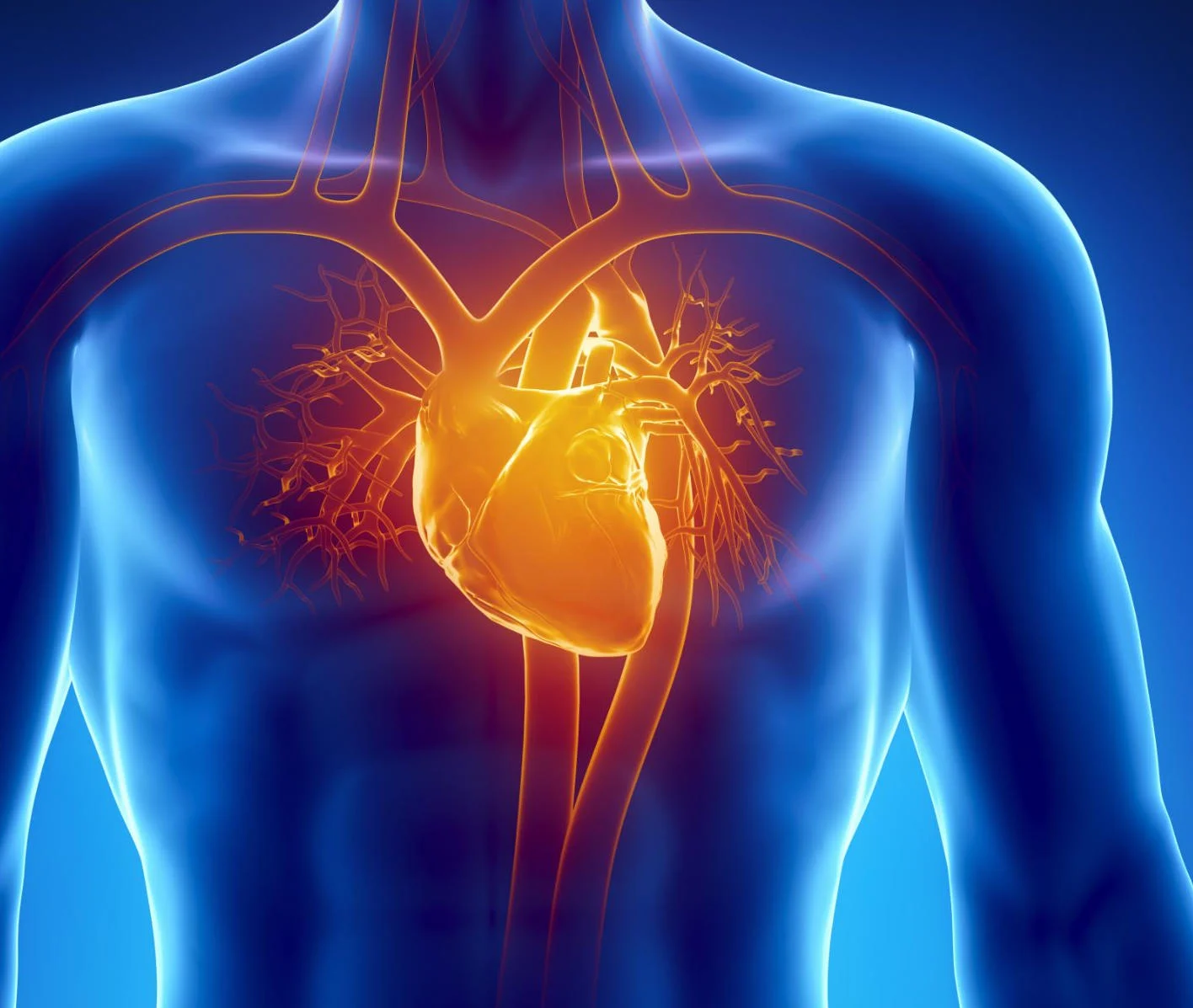
A study spearheaded by the University of Bristol examined rats subjected to 10 weeks of moderate aerobic exercise, specifically treadmill running. Using advanced 3D imaging techniques, researchers focused on the stellate ganglia—paired clusters of nerve cells located in the lower neck and upper chest that play a pivotal role in regulating heart rate and blood pressure.
The findings were striking. While it was well known that exercise could improve cardiovascular health and lower resting heart rate, the researchers discovered a surprising imbalance between the left and right stellate ganglia in exercised rats. On one side, there was a growth of approximately four times more neurons in the right stellate ganglion compared to the left. In contrast, the neurons on the left side grew significantly larger, while those on the right shrank ever so slightly. This dual transformation creates what we can think of as a “dimmer switch” effect for the heart, changing how it reacts to stress and physical activity.
This discovery flips on its head the longstanding belief that exercise affects the autonomic nervous system uniformly—meaning equally across both sides. Instead, we’re learning that our bodies respond to workouts in a beautifully intricate and asymmetric manner, characterized by unique structural changes depending on which side is being examined.
The Heart’s Hidden Dances: Why Does This Matter?
So, why does this asymmetry matter? Let’s delve into the implications. By understanding how different sides of the nervature react to moderate exercise, medical professionals could develop more targeted and effective treatments for heart conditions. For instance, this could optimize therapies for arrhythmias, chronic angina, or the emotionally distressing "broken-heart syndrome."
Think about it—treatments that are one-size-fits-all might not be the best option for everyone. The heart’s rhythm regulation may need a tailored approach, and understanding these left-right differences might allow for a precision-oriented treatment strategy. Cardiologists already utilize certain procedures focused on the stellate ganglia to help with severe heart problems, but with these new findings, there’s potential for refining those interventions to yield better results for patients.
Breaking Down the Research: A Closer Look
Lead author Augusto Coppi pointed out the importance of these findings. The evolution of nerve clusters could help us envision how we might personalize heart treatments in the future. As this research unfolds, it prompts us to think about how our everyday choices—including something as simple as going for a brisk walk—can have a profound impact on our physiological makeup.
If the nervous system can adapt so dramatically to regular aerobic exercise, it’s feasible to consider how incorporating more movement into our lives can yield transformative effects. Getting outside for some fresh air, even a quick run around the block, can lead to changes far beyond calories burned—it could be contributing to improved heart health, deeper emotional resilience, and even clearer mental functioning.
The Call to Action: Take On Exercise
So, how can we begin to tap into these extraordinary benefits? The answer is as uncomplicated as it is empowering: movement. Whether it’s taking a long walk, hitting the gym, or participating in a community sports league, getting active is crucial. Each step you take and every heartbeat resonates with the rhythm of adaptability within the body.
Consider this: the process of sweating it out not only strengthens your cardiovascular system but also orchestrates a profound reconfiguration of how your body maintains itself—regulating your heartbeat with precision that evolves with each aerobic session. What’s not to love about that?
The Future of Heart Health
As we reflect on this discovery, it fuels our understanding of how interconnected our physical activities and our internal systems are. If exercise can produce such notable changes in our nerve structures, the horizon ahead is bright with possibilities for new lines of inquiry in heart health. Future research will explore how these structural changes impact heart function during both active and restful states in humans—as well as whether the same left-right patterns exist in larger animals or across human populations.
This transformative potential signifies a turning point in the conversation about exercise and heart health. The limits of what we know are merely starting points for deeper explorations. The result could be therapies that are not only preventive but also restorative and personalized to individual physiological responses.
Making Conscious Choices
Let us embrace this notion of adaptability through movement. Think about building a sustainable exercise routine that you enjoy—this is not about an obligatory slog through a workout, but finding activities that light you up, in whatever form that takes.
- Are long hikes your calling?
- Do you love dancing?
- Does yoga offer you serene solace?
Those passions can serve as pathways to not only improve heart health but also foster resilience and joy in life. An active lifestyle translates to a flourishing heart and a sharper mind.
A Bright Path Forward
While ensuring our hearts stay healthy with regular exercise is essential, it’s equally vital to recognize the significant interplay between lifestyle, mental health, and cardiovascular wellness. This dynamic underscores the continuous cycle of potential benefits initiated by the simplest of choices—getting off the couch and stepping into the world.
The heart, much like our own journeys in life, is malleable, responsive, and as unique as our fingerprints. Understanding how we can influence our heart health uniquely could potentially rewrite how we think about cardiovascular treatment in the future.
In closing, ask yourself: what small shift can you make today? What new physical activity resonates deeply with you? As you contemplate your path forward, recognize that every bit of movement counts, and every heartbeat is an opportunity for transformation.
Your heart—and your entire being—will thank you for it.