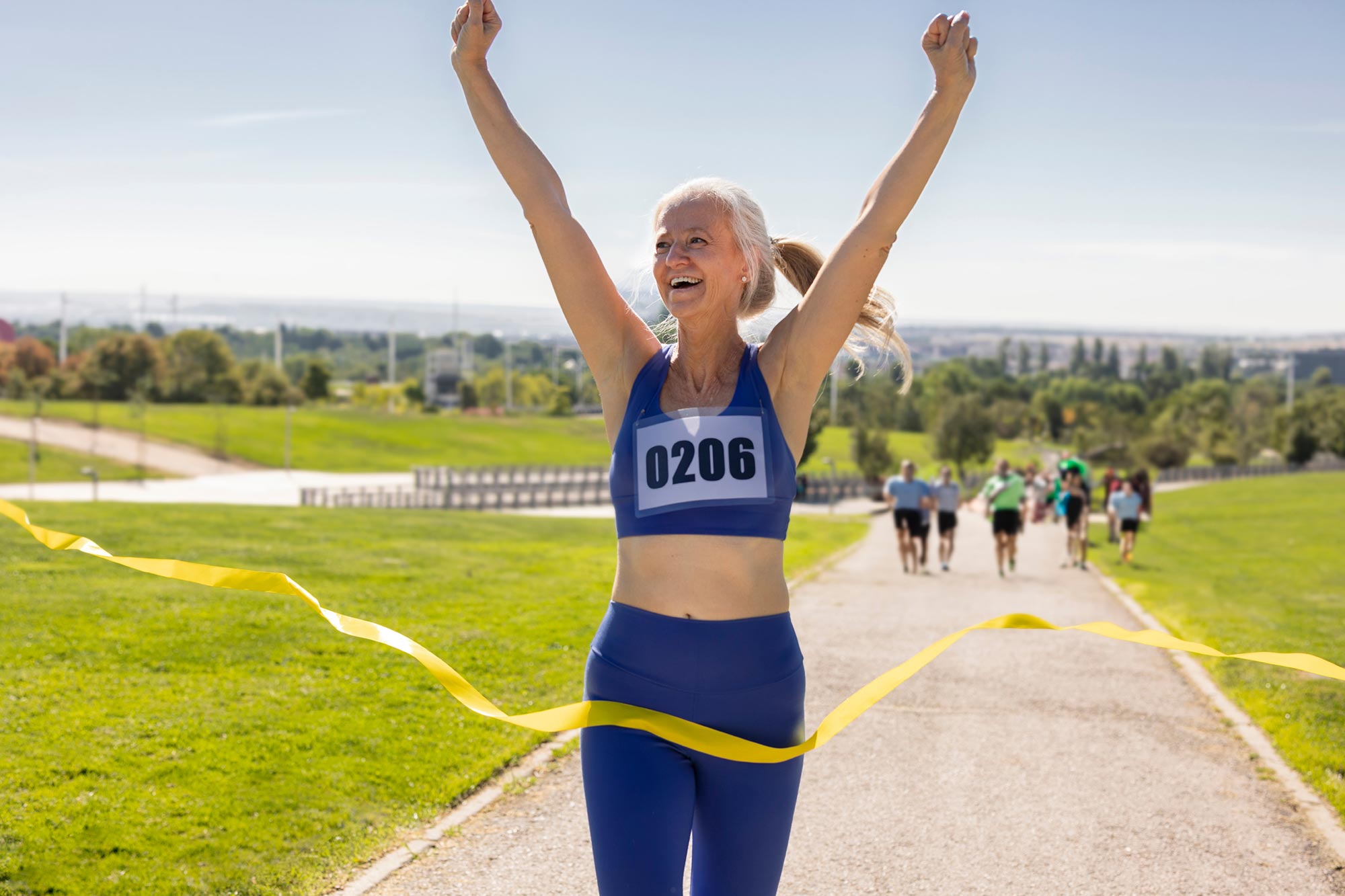
Summary of Even the Fittest Women Can’t Outrun Menopause:
A recent study published in PLOS One highlights that menopause symptoms are prevalent among female endurance athletes, impacting their training and performance. Researchers surveyed 187 active women aged 40-60, who reported issues like sleep problems (88%), fatigue (83%), and joint pain (63%). These symptoms were found to significantly hinder their athletic activities, with a notable portion of participants reporting moderate to severe impacts on training and performance. Despite regular exercise aiding some aspects of menopause, many women experienced challenges that limited their participation in sports. The authors emphasize the need for healthcare providers to address these issues to support active women during menopause.
*****
Key Takeaways
- Many female endurance athletes face menopause symptoms that significantly impact their training and performance, despite their commitment to physical activity.
- A recent study of 187 active women revealed high rates of common menopause symptoms, including sleep disturbances and joint discomfort.
- The relationship between physical activity and menopause is complex; while exercise can alleviate some symptoms, menopause can also deter women from maintaining an active lifestyle.
- Addressing menopause-related challenges is crucial for supporting women’s continued participation in sports and exercise.
- There’s a need for healthcare providers to pay more attention to this unique population that often goes underserved regarding menopause management.
Understanding Menopause for the Fittest Women: The Athletic Dilemma
Menopause is often thought of as a time of decline, a perceived pinnacle of aging that brings with it a host of unwelcome symptoms. But what happens when the women facing these challenges are the very athletes who seem to defy the passage of time? Surprisingly, even the fittest women aren’t immune to the grips of menopause, and the intersection of relentless training and hormonal upheaval can create a dizzying paradox that many face quietly.
The recent study published in PLOS One uncovered fascinating insights into this dilemma. It surveyed 187 female endurance athletes aged 40 to 60, who trained at least three times weekly. The findings provoke thought about the realities that distinguish these vigorous athletes from the general population. Could their resilience be tested by something as natural yet disruptive as menopause?
The Dual Nature of Activity and Menopause
Regular physical activity is often heralded as a shield against the physical and emotional disturbances associated with menopause. Studies suggest that the endorphin rush and cardiovascular benefits can alleviate issues like anxiety, joint pain, and even insomnia. Yet, it’s a complex relationship. The very symptoms that exercise may help to mitigate can also hinder a woman’s ability to stay active.
Put simply: as women enter this new phase, they find themselves in a catch-22 situation. Those who have invested years into their fitness routines now encounter the very real threats of fatigue, weight gain, and discomfort—all potentially deterring them from pursuing the sports they love.
What Did the Study Reveal?
Among the staggering results, a staggering 88% of participants reported experiencing sleep issues, while 83% suffered from debilitating fatigue. Sexual problems and anxiety followed closely behind, with 74% and 72% of women, respectively, admitting these struggles. However, what’s even more alarming is the realization that these challenges weren’t simply inconveniences. They were adversaries that jeopardized both training regimens and athletic performance.
Athletic aspirations come with lofty expectations. An endurance athlete, accustomed to pushing boundaries, often wrestles with the emotional turmoil of feeling hindered by menopausal symptoms. When joint or muscular discomfort appeared, a staggering 97% felt their training jeopardized, which translates into an emotional battlefield where struggle meets identity.
Exploring Athletes’ Experiences
Imagine this scene: a marathon runner, clocking miles of training in sunshine and rain, reveling in the euphoric runner’s high—only to be confronted by unrelenting sleepless nights. The fuel of endurance now turned to dread. Moments like these resonate deeply for seasoned athletes who’ve built their identities around performance and strength.
Interestingly, the more severe the symptoms women reported, the greater the decline in their training and performance. Almost one-third cited menopause as having a moderate to strong negative effect on their training, while about a quarter mentioned it impacting their performance. The battle is not just physical; it’s an emotional struggle too.
Navigating Through the Struggles: Finding Solutions
The complexity of menopause is largely misunderstood. Many athletes feel uncertain about how to tackle the emotional and physical obstacles, often choosing to endure in silence. But this doesn’t have to be the case.
Engagement with healthcare professionals who understand athletic health can make an immeasurable difference. Open dialogues around menopause and its physical manifestations can pave the way for tailored guidance. If you’re training hard but grappling with lingering symptoms, consider these approaches:
-
Customized Exercise Plans: Middle-aged athletes may benefit from connecting with trainers who understand the menopause spectrum. Tailoring workouts—integrating strength training, core stabilization, and flexibility training—can mitigate some symptoms and improve performance.
-
Nutrition Matters: Nutrition plays an indispensable role during this transition. Adequate calcium and vitamin D can fortify bones, while lean proteins sustain muscle mass. An emphasis on hydration can also combat fatigue, often exacerbated by menopause.
-
Mental Health Strategies: The mind and body are interconnected; fostering a supportive mental space is essential. Techniques such as mindfulness, meditation, or even supportive group chats can provide solace and strategies to cope with emotional upheaval.
- Community-Building: Together, women can explore ways to navigate these challenges. Online forums, local support groups, or workshops can foster connections and shared struggles that illuminate pathways to wellbeing.
Broader Implications for Active Women
What the study represents is a vital conversation about the crossroads of sport and health that needs more attention. The data reveals a sincere necessity for greater awareness—menopause isn’t merely a personal struggle but a public health topic worthy of exploration. Empowerment comes from an understanding of how these changes manifest and hinder performance and joy in one’s passion.
An essential part of this conversation also focuses on reshaping our societal narratives surrounding age, fitness, and femininity. The more we obliterate the stigmas surrounding menopause, placing it prominently in discussions about women’s health, the more likely we are to find solutions that cater to those transitioning through this period.
Preparing for the Future
As we move forward, it’s essential for sports organizations, healthcare providers, and health advocacy groups to take a stand. Research should continue to address the realities faced by even the most fit women, as they endeavor to juggle their identities as athletes and navigate life’s inevitable transitions.
What’s crucial is not simply identifying the challenges but uplifting the narrative around them. In doing so, we create a more supportive environment that champions these women—not just for their athletic abilities but also for their resilience amid life’s transformations.
It’s Not Just About Fitness
Athletes have always been seen as symbols of vitality and strength. So when the realities of menopause dampen that image, it leads to a crisis of identity—both as athletes and as individuals. It’s time to bridge the gap between physical prowess and emotional health, demonstrating that neither has to falter even amid the distinguishing changes of menopause.
The interplay here is fascinating: when one phase of life collides with the other, the resilience built through years of training can be a powerful tool to encounter challenges. Yes, seasons change in life just as they do in sports, but a solid foundation built on community, understanding, and support can yield incredible outcomes.
While we may not always outrun the physiological ebb and flow of life transitions, embracing the journey with boldness can lead women into new realms of strength, adaptability, and ultimately, a refined sense of self. Let’s rally together to highlight these struggles, pushing for better resources and understanding among healthcare professionals, communities, and even within our homes.
The endurance displayed in both sport and life’s ups and downs can spark a collective movement toward empowerment—a call to action for every woman who has ever found herself at the intersection of age and aspiration. Whether you’re lacing up your running shoes or sitting in a meeting, remember: the journey through menopause, while challenging, doesn’t have to extinguish your inner fire. Instead, it can fuel your resilience, guiding you toward new horizons in fitness and life.
