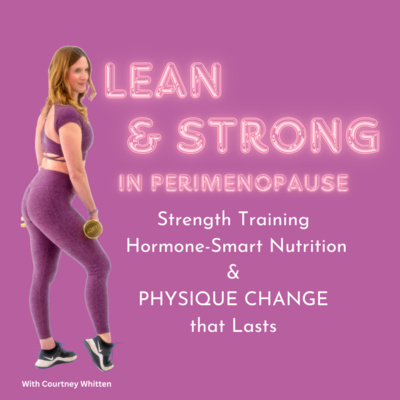
Summary of The Muscle Conversation We Need to Have by Lean and Strong in Perimenopause Podcast:
To change your relationship with food, focus on self-talk rather than just listening to automatic thoughts. Common negative beliefs about food can create unconscious habits that make it hard to break bad eating patterns. Becoming aware of your triggers and understanding why you indulge in cravings is crucial for personal growth. It’s important to reflect on past behaviors to learn valuable lessons, even if it feels uncomfortable.
The content also promotes Ancient Bliss, a provider of organic health supplements, and offers personalized coaching to help clients achieve their nutrition and lifestyle goals. The coaching emphasizes flexible dieting, developing daily healthy habits, and maintaining consistency even during busy times. Interested individuals can schedule a free discovery session via email and can also join a supportive women-only Facebook group for further connection and resources.
*****
Summary Bullet Points
- The importance of self-talk in transforming your relationship with food, especially for women in perimenopause.
- Understanding unconscious habit loops that lead to unhealthy eating patterns.
- Strategies for increasing awareness around cravings and decision-making moments.
- The significance of learning from past behaviors to foster personal growth.
- Tools to create and sustain healthy habits while navigating lifestyle changes.
The Muscle Conversation We Need to Have: Transforming Your Relationship with Food
In life, especially as we navigate the complexities of perimenopause, there’s a conversation we need to engage in—a discussion about our relationships with food, our bodies, and ourselves. Too often, we allow unconscious habits to dictate our choices, leading us into a cycle of frustration and disappointment. The good news? There’s a way out, and it starts with the words we say to ourselves.
Reassessing Self-Talk
When was the last time you really tuned into your inner dialogue? For many, self-talk is an unconscious process, becoming a dull background noise of negative reinforcement or guilt-laden justifications. Phrases like “One more won’t hurt” or “F-it, I deserve this after the day I’ve had” pop up, right? These thoughts may provide immediate satisfaction but often lead to longer-term regret.
Instead of marching along a path of automated responses, take a moment to pause. Imagine a scenario where you face that temptation head-on: the rich dessert at dinner, or the afternoon chips that seem to call out to you. Before you give in, stop and ask yourself: “What am I truly feeling? What do I need in this moment?”
Here’s the crux—if you listen to those unconscious thoughts without question, you get a reward, albeit a fleeting one. But if you challenge them, that’s where change can indeed happen.
The Pause That Refreshes
An effective method for altering your habits is to slow down and shine light on those pivotal moments that often flash by unnoticed. Right before you succumb to a craving, pause. This is the muscle we need to flex. That’s where change is birthed.
You might feel discomfort at first, perhaps even resistance. This is normal. Going back to examine why you acted against your intentions can feel like digging up old dirt. But that discomfort means growth. And growth, as we know, often comes from challenging experiences.
Consider your decision not to follow through on a plan—why did it happen? Reflecting on these so-called "f-it moments" opens the door to understanding. Each misstep is a lesson in disguise, offering a pathway toward personal development.
Awareness: The Catalyst for Change
Developing awareness is the first step towards transformation. It’s like shining a spotlight on the habits you’ve overlooked. Once illuminated, these habits can no longer hide in the background.
You might think examining your habits is a daunting task. After all, it requires digging into the whys and hows of your choices. But think of it this way: every time you analyze a behavior, you’re accumulating wisdom. With that wisdom, you’ll be better equipped to make conscious choices that align with your goals.
Ask yourself: What do I want? What are my short-term and long-term aspirations? The more you engage in this dialogue with yourself, the clearer your path becomes.
Creating Sustainable Change
Next, let’s talk about sustainability. Transformation shouldn’t just be a flash in the pan. To make lasting changes, you have to break down your big goals into smaller, manageable steps. This is where the art of flexible dieting comes into play.
Instead of rigid rules that may lead to guilt or shame, find a way of eating that brings you joy and satisfaction. Flexible dieting isn’t about deprivation; it’s about enjoying your food while still working toward your goals. When food becomes a source of pleasure, you remove the anxiety surrounding it.
Think about your habits in terms of the skill of “showing up”—even in small ways, every day. Life gets busy, but committing to taking small steps each day is key. Maybe it’s preparing a healthy meal on a Sunday or prioritizing a short morning workout. Consistency, no matter how trivial it may seem in the moment, builds momentum and fosters transformation.
Turning Pain Into Power
One of the more challenging aspects of this journey is dealing with setbacks. When we face challenges, it’s easy to slip into a negative spiral. Remember, it’s perfectly normal to have days when you feel off track. Instead of treating these moments as failures, view them as opportunities for growth.
Incorporate self-compassion into your narrative. Allowing yourself the grace to fail is critical. So if you find yourself slipping back into old habits, ask, “What can I learn from this?”
By turning your pain into power, you reinforce the idea that you’re on a journey—not confined to a destination. With every stumble, you gain insights that lead to stronger resolve.
Finding Community and Support
Navigating this path alone can be tough, but you don’t have to go it alone. Find communities that foster understanding and encouragement. Engaging with others who are on similar journeys will motivate you and provide a sounding board for your thoughts.
Consider joining support groups—women’s groups can be especially empowering. Here, you can share experiences, converse about challenges, and celebrate successes together.
Conclusion: Your Journey Awaits
The muscle conversation we all need to have—about food, habits, and self-perception—is just the beginning of your transformation journey. You have the capacity to redefine your relationship with food. It’s about the dialogue you maintain with yourself, the awareness you cultivate, and the supportive communities you engage with.
So, let’s keep this conversation going. Challenge yourself today. Dive deep into your thoughts and assess your motivations. Be curious, compassionate, and proactive. Reflect, learn, and transform.
Your journey isn’t just about reaching your goals; it’s about learning to enjoy the process of becoming the best version of yourself. Embrace this narrative. It’s time to take charge and reclaim your relationship with food, confidence, and ultimately, your life.
Let this be your moment to make that conversation matter. You are stronger than you know, and the path to transformation is filled with endless possibilities.