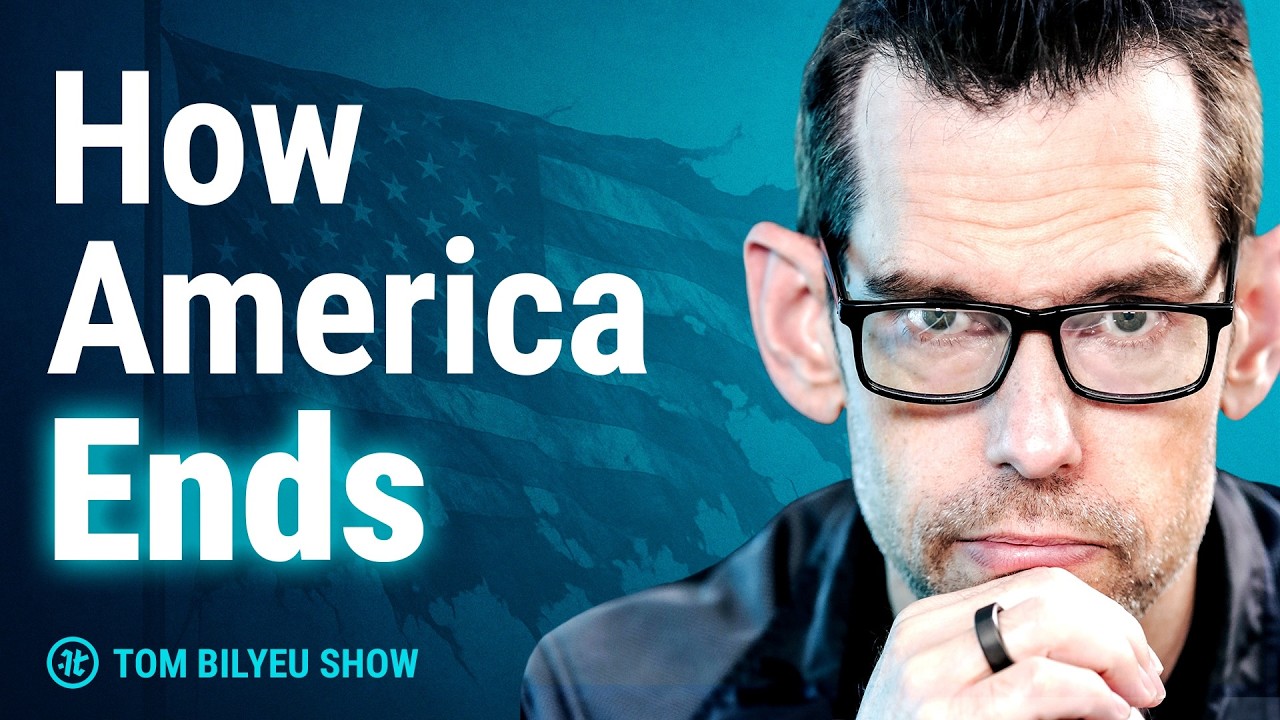
- Ray Dalio’s concern about economic instability emphasizes the importance of resilience in uncertain times.
- The impact of government policies on societal structures and their potential to drive significant change.
- Intersections of economic policies and immigration laws highlight broader socio-economic impacts.
- The role of nutrition and health in maintaining individual and collective resilience.
- Strategies for improving insulin sensitivity and metabolic health to enhance overall well-being.
Ray Dalio’s concerns about economic instability
Ray Dalio, a prominent financier, has raised alarms over the potential for economic depression, urging attention to economic resilience during uncertain times. This theme is deeply relevant today as global financial markets fluctuate, causing ripples through various sectors. Economic instability often breeds uncertainty, which can cascade into diverse societal aspects, affecting everything from employment to public health.
Understanding the mechanisms behind economic fluctuations can foster strategic foresight, enhancing resilience both at the macro and individual levels. At its core, economic resilience involves the ability of individuals, communities, and nations to anticipate, prepare for, respond to, and recover from economic distress. This resilience is not purely financial but also undergirds access to resources, including food and health services critical for maintaining well-being.
A vital aspect of economic resilience lies in diversification. Diversifying income streams, industries, and investment portfolios can cushion against shocks. Moreover, policies promoting education, skills training, and health care fortify societal structures, enabling quicker recovery and adaptation when crises occur. Infrastructure that supports public health and well-being also acts as a buffer, preventing a potential spiral into severe economic depression.
Impact of Government Policies on Societal Structures
Governments draft policies that can significantly alter societal frameworks, acting as either catalysts for progress or barriers to stability. Trump’s policies on deportation highlight this dynamic, drawing attention to the broader socio-economic implications of legislative actions concerning immigration. Such policies can reshape communities, influence labor markets, and modify cultural landscapes.
Policies targeting immigration inevitably affect economic productivity and creativity. Migrants often fill critical roles in various sectors, contributing to economic output and cultural diversity. Restrictive immigration measures can lead to labor shortages, diminish economic growth, and curb innovation. Furthermore, these policies often reverberate through families and communities, impacting mental health and social cohesion.
Health care policies also fall under this spectrum due to their profound impacts on national and individual health outcomes. Access to affordable health care services is foundational to a robust society, affecting everything from preventive care to chronic disease management. Legislation that broadens health care access contributes to societal resilience by fostering healthier populations better equipped to adapt and thrive.
Intersections of Economic Policies and Immigration Laws
Economic policies are intricately connected to immigration laws, with changes in one often prompting shifts in the other. These intersections can function as powerful mechanisms of socio-economic change. For instance, immigration policies impact labor supply and demand, while economic conditions influence migratory trends.
Understanding these intersections is crucial for devising strategies that balance economic needs with humanitarian considerations. Policies fostering inclusive economic environments bolster both productivity and social equity. Entrepreneurial opportunities, education access, and pathways to citizenship can harmonize immigrants into the economic fabric, capitalizing on their potential contributions.
Additionally, global collaborations on economic and immigration policies can address shared challenges constructively. Cross-border initiatives facilitating knowledge exchange, resource sharing, and coordinated policy measures can mitigate adverse effects while enhancing economic synergy.
The Role of Nutrition and Health in Resilience
Nutrition and health are fundamental to individual and collective resilience, impacting everything from daily productivity to recovery from socio-economic disruptions. A balanced diet supports body functions, fortifies immune response, and sustains energy levels, essential attributes for navigating life’s myriad challenges.
Proper nutrition is especially critical during periods of economic uncertainty or stress, where dietary patterns might be compromised. Access to nutritious food is a socio-economic issue intertwined with public policy, requiring cohesive efforts to address disparities.
Attention to nutritional health is essential not only during times of crisis but as a preventive measure. A well-functioning metabolism underpins overall health, making the prevention and management of metabolic diseases critical. Policies promoting education about nutritious diets and equitable food access can support public health broadly, nurturing a resilient society capable of overcoming adversities.
Strategies for Improving Insulin Sensitivity and Metabolic Health
Insulin sensitivity is a key element of metabolic health, influencing energy regulation, weight management, and disease prevention. Enhancing insulin sensitivity can help mitigate risks associated with chronic diseases such as diabetes and cardiovascular conditions, which are significant public health concerns.
Dietary choices play a profound role in improving insulin sensitivity. Consuming whole foods like fruits, vegetables, whole grains, and lean proteins provides essential nutrients that enhance metabolic efficiency. Foods rich in fiber and omega-3 fatty acids support metabolic functions, stabilizing blood glucose levels and improving insulin sensitivity.
Regular physical activity also enhances metabolic health by improving insulin action, encouraging muscle glucose uptake, and supporting weight maintenance. Integrating aerobic and strength exercises into daily routines can vastly improve individual metabolic profiles, fostering resilience against metabolic disorders.
Stress management is another pillar of insulin sensitivity. Chronic stress elevates cortisol levels, disturbing insulin function. Techniques like mindfulness, adequate sleep, and relaxation exercises can mitigate stress’s negative impacts on insulin sensitivity and overall metabolic health.
In conclusion, Ray Dalio’s warnings and governmental policies intertwine with themes of health and resilience, underscoring the necessity for holistic approaches to collective well-being. Combining economic foresight with robust health practices and policies can create an adaptive, resilient society capable of withstanding and thriving amidst challenges. Ensuring optimal nutrition and enhancing insulin sensitivity are vital elements within this broader framework of sustainability and societal health.
*****
Source Description
iTrust Capital: Use code IMPACTGO when you sign up and fund your account to get a $100 bonus at https://impacttheory.co/iTrustCapitalApr
Tech Unheard: Tune into Tech Unheard from Arm and NPM—wherever you get your podcasts.
Do you need my help?
STARTING a business: join me here inside ZERO TO FOUNDER (https://tombilyeu.com/zero-to-founder)
SCALING a business: click here to see if you qualify (https://tombilyeu.com/scale)
Get the exact systems, mindset shifts, and principles that built a $1B brand delivered straight to your inbox every week. Subscribe for free (https://tombilyeu.com)
Check out our Video game – Project Kyzen: (https://projectkyzen.io/)
Catch Me Streaming on Twitch – (https://twitch.tv/tombilyeu)
Link to IT discord: https://discord.gg/TZKJ2etPbT
Tom’s Favorite Things List: https://amzn.to/41Ftt7e
Welcome to another episode of the Tom Bilyeu Show. I’m your host, Tom Bilyeu, and alongside me is my co-host, Drew, as we delve into another round of riveting conversations about the world’s pressing issues. In today’s episode, we’re tackling some intense topics—from Trump’s controversial deportation policies to Ray Dalio’s alarming insights about a potential economic crisis that could be worse than a recession. We’ll also touch on the fascinating yet complex interplay of AI, including the ethics surrounding AI sexbots, and explore Robert F. Kennedy Jr.’s bold mission to identify the cause behind the rising rates of autism. This episode is packed with thought-provoking discussions designed to challenge and expand your understanding of the world. Whether you’re intrigued by global economics or cultural debates, we’ve got something for you here today. Sit back, tune in, and let’s explore these captivating topics together. Don’t forget to subscribe and leave us a review. Enjoy the show!
00:00 Intro
01:19 Ray Dalio’s Stark Warning
13:53 Bukele & Trump Won’t Return Maryland Resident
23:15 Turn Your Retirement Account Green
24:15 Is Trump Ignoring The Supreme Court
37:23 RFK Declares War On Autism Spike
42:38 You GOTTA Hear This!
43:49 Harvard President Claps Back At Trump
48:14 No Mercy And The Ethics Of Entertainment
01:01:47 Will Smith The Opposite Of Rock Bottom
01:08:25 Highlights From The Live
aliens, CIA files, gas prices, distraction, Supreme Court, Kilmar Garcia, deportation case, Ray Dalio, recession, China, propaganda, luxury brands, RFK, autism, Harvard University, Trump, AI Sexbots, WWE politics, Bukele, El Salvador, MS.13, immigration court, district court judge, federal government funding, transgender athletes, private universities, tax exemption, AI slave bots, AI and neurochemistry, Will Smith mindset, economic turmoil, tariffs, populism, big debt cycle, monetary order, global depression, kinetic war, economic warfare, great country UK, World War II, world reserve currency, manufacturing capabilities, Pax Americana world order, social security programs, national security, criminality, foreign policy, humanitarian review, environmental factors, vaccine controversy, fluoride and water, dyes and food, child safety, gaming ethics, Black Mirror, content warnings, platform freedom, neuropathways in brain.