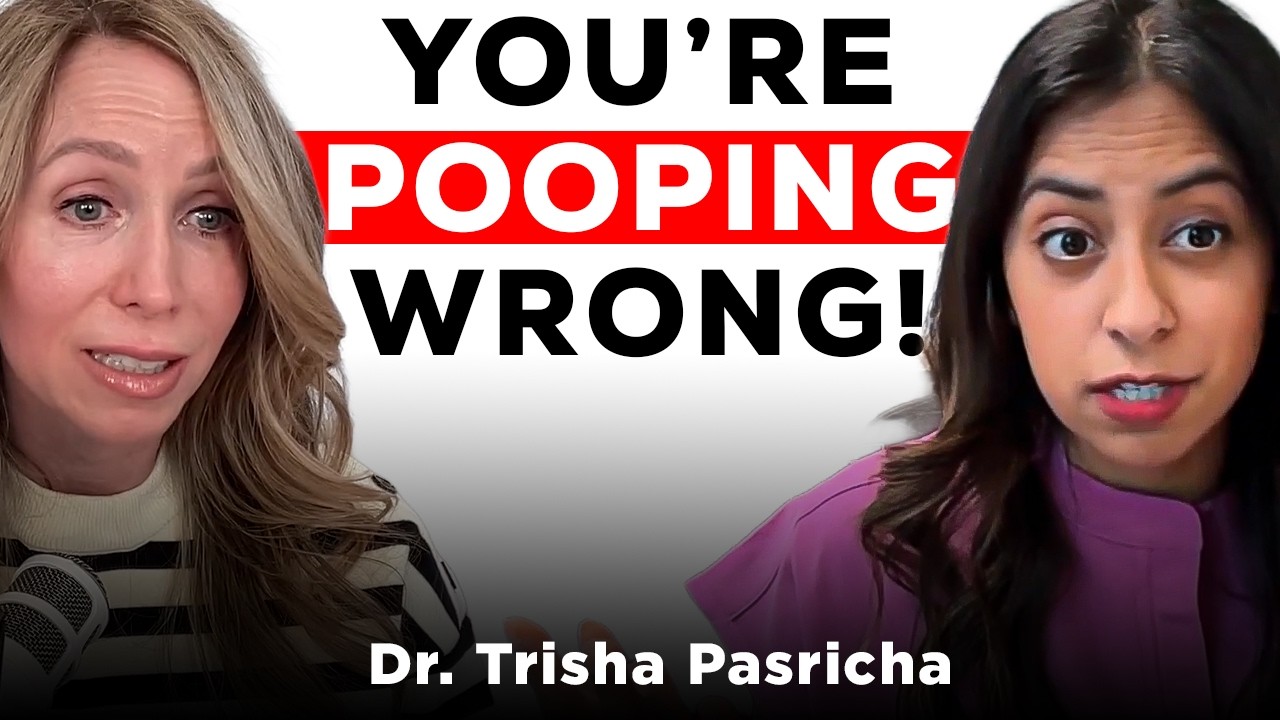
- Understanding the causes of bloating and chronic constipation
- Dietary changes to alleviate symptoms
- The role of hydration and exercise
- Behavioral strategies for long-term management
- Medical interventions and when to seek professional help
Bloating and chronic constipation are common gastrointestinal issues that many people experience at some point in their lives. Dr. Trisha Pasricha emphasizes that understanding the causes of these conditions is crucial for effective management. Bloating often results from various factors, including excessive gas production, food intolerances, and disturbances in gut flora. Chronic constipation can stem from a low-fiber diet, lack of physical activity, and situational stressors that affect bowel habits. Both conditions significantly impact quality of life; thus, addressing them promptly is essential.
In managing these digestive issues, dietary changes can play a pivotal role. People often overlook the fiber content in their diets; however, increasing fiber intake is one of the most effective strategies to combat constipation. There are two types of dietary fiber: soluble and insoluble. Soluble fiber, found in foods like oats, beans, and apples, helps to form a gel-like substance in the gut, thereby slowing digestion but adding bulk to stool. Insoluble fiber, found in whole grains and leafy vegetables, moves through the digestive tract relatively unchanged, aiding in stool passage. Incorporating a variety of high-fiber foods daily can substantially ease constipation symptoms.
Additionally, it’s essential to monitor food intolerances that can contribute to bloating and discomfort. Common culprits include lactose in dairy products, gluten found in wheat products, and certain fermented foods. Keeping a food diary can help individuals identify patterns of bloating related to specific foods. Once identified, eliminating or reducing these items may provide significant relief.
Hydration plays an equally significant role in digestive health. Adequate water intake not only helps fiber function effectively but also softens stool, making it easier to pass. For many adults, a recommended daily intake is about 64 ounces, though individual needs may vary. Individuals experiencing bloating may find that drinking warm liquids, particularly herbal teas, can provide soothing relief. On the other hand, carbonated drinks may exacerbate bloating by introducing gas into the digestive tract, thus should be consumed in moderation.
Exercise is another critical factor in alleviating constipation and improving overall digestion. Regular physical activity stimulates the digestive system, reducing the likelihood of constipation. Activities such as walking, cycling, or yoga can encourage bowel movements and relieve bloating. Even short bursts of movement after meals can stimulate digestion. Additionally, some studies suggest that certain exercises, like core-strengthening workouts, may benefit those experiencing chronic constipation.
Behavioral strategies are vital for long-term management of bloating and constipation. Stress management techniques, such as mindfulness and deep breathing exercises, can positively affect digestive health. Psychological stress can disrupt gut motility, leading to symptoms of constipation or bloating. Creating a consistent routine for meals and bathroom visits can reinforce healthy bowel habits. It is advisable for individuals to take time during meals to chew food thoroughly and avoid rushing, which can lead to swallowing air and exacerbating bloating.
For those who do not see improvement with dietary, hydration, and behavioral strategies, it may be necessary to consider medical interventions. Over-the-counter laxatives may be beneficial for occasional use, but chronic reliance on them can lead to dependency. Probiotics, which introduce beneficial bacteria to the gut, can also help balance the digestive system and alleviate bloating. Recent studies indicate that certain strains of probiotics might be effective in managing symptoms of bloating and improving overall gut health.
However, persistent symptoms warrant a professional evaluation. A healthcare provider can assess for underlying conditions such as irritable bowel syndrome (IBS), which may require more specialized treatment. Various tests can help diagnose structural or functional issues within the gastrointestinal tract, leading to personalized management plans.
In summary, addressing bloating and chronic constipation involves a multifaceted approach. This includes understanding underlying causes, making strategic dietary changes, maintaining adequate hydration, engaging in regular physical exercise, and considering behavioral adjustments. Medical interventions are available for those who need additional support, and seeking guidance from healthcare professionals is crucial for long-term relief. Empowering oneself with knowledge and proactive strategies can lead to significant improvements in digestive health and overall quality of life.
*****
Source Description
I am delighted to connect with Dr. Tricia Pasricha today. She is a gastroenterologist specializing in neurogastroenterology, a physician scientist at Beth Israel Deaconess Medical Center, and an Assistant Professor of Medicine at Harvard Medical School.
In our conversation, we discuss her new book, You’ve Been Pooping All Wrong, which is truly delightful and a definite must-read. We explore the science of poop, and the stigma surrounding it, how stress impacts motility, the gastrocolic reflex, and what is considered normal, regarding pooping frequency. Dr. Pasricha explains how she addresses travelers’ constipation, and we also dive into women’s issues specific to perimenopause and menopause, the effects of dyssynergia, red flags that concern her, and the symptoms and causes of early colorectal cancer, in addition to my rapid-fire menopause gut addition.
#CynthiaThurlow #womenshealth #wellness #IF #intermittentfasting #fastingforwomen #bioindividuality #health
For more information please visit me here: https://cynthiathurlow.com/
To purchase my new book, The Menopause Gut please visit here: https://www.penguinrandomhouse.com/books/777129/the-menopause-gut-by-cynthia-thurlow-np/
This video is for educational and informational purposes only and solely as a self-help tool for your own use. I am not providing medical, psychological, or nutrition therapy advice. You should not use this information to diagnose or treat any health problems or illnesses without consulting your own medical practitioner. Always seek the advice of your own medical practitioner and/or mental health provider about your specific health situation.