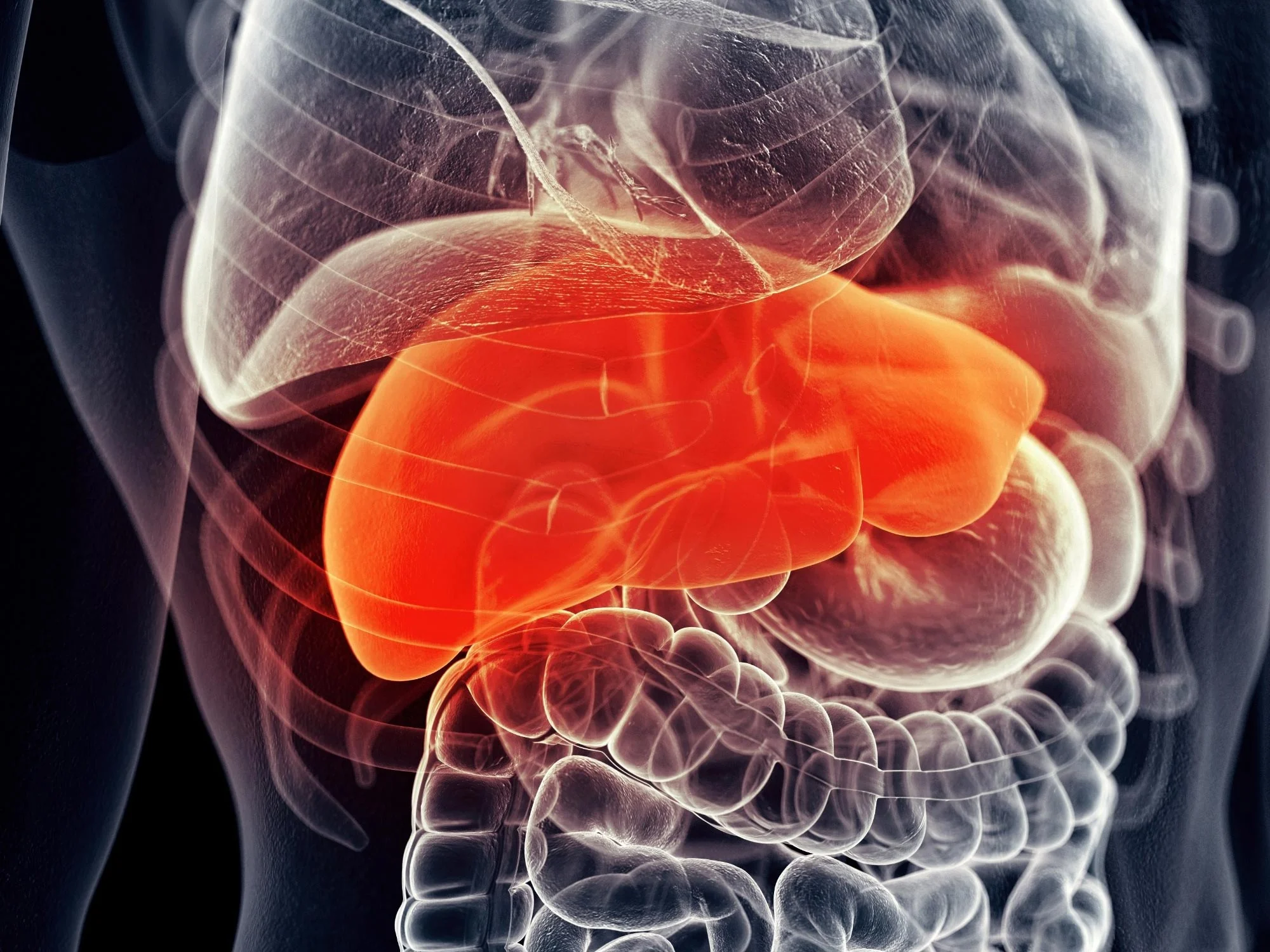
Summary of Existing Drugs Combine To Fight World’s Most Common Liver Disease:
Researchers at the University of Barcelona have identified two existing drugs, pemafibrate and telmisartan, that may effectively combat metabolic dysfunction-associated steatotic liver disease (MASLD), the most common liver disorder affecting about one in three adults. Their study shows that these drugs can reduce liver fat and potentially lower associated cardiovascular risks. The combination of the two drugs appears to be as effective as higher doses of either drug alone, offering a promising, cost-effective treatment approach.
Since many new drug candidates for MASLD have failed in trials due to safety concerns, repurposing these established medications may provide a safer alternative. The researchers used animal models, including rats and zebrafish larvae, to validate their findings, demonstrating reversal of fat accumulation in the liver. Each drug operates through different mechanisms, with telmisartan also playing a role in regulating liver lipid metabolism.
Though the results are promising, the researchers emphasize the need for further clinical studies to confirm these findings in humans, as they aim to explore the drugs’ effectiveness in more advanced stages of the disease, which often involve liver fibrosis.
*****
Key Highlights:
- Metabolic Dysfunction-Associated Steatotic Liver Disease (MASLD) is now the most prevalent liver disorder, affecting approximately one in three adults globally.
- Researchers from the University of Barcelona discovered that two existing drugs, pemafibrate and telmisartan, could effectively combat fatty liver disease while also addressing heart-related risks.
- Drug repurposing presents a promising path for developing safer and more effective therapies, especially since traditional approaches often stumble due to safety concerns.
- The unique animal models, including zebrafish larvae, are being employed to test the efficacy of the drug combinations, allowing researchers to conduct faster and more insightful studies.
- While the results in animal models are promising, significant clinical trials in humans are needed to realize these findings as viable treatments.
Existing Drugs Combine to Fight the World’s Most Common Liver Disease
Metabolic dysfunction-associated steatotic liver disease (MASLD), commonly known as fatty liver disease, is rapidly becoming a global health concern. Affecting about one-third of adults worldwide, this condition can lead to severe complications if left untreated. Fortunately, innovative research from the University of Barcelona is shining a light on potential solutions by exploring how existing medications can combat this disease effectively.
The Landscape of Fatty Liver Disease
Fatty liver disease occurs when excess fat accumulates in liver cells, often due to poor diet, obesity, or certain health conditions such as diabetes. As a silent epidemic, many individuals may not even be aware that they have this condition until it progresses to severe liver damage or even liver failure. Moreover, it’s not just the liver at risk; individuals suffering from MASLD also face a heightened chance of cardiovascular complications.
At this intersection of liver health and overall wellbeing, researchers are diving into how to treat this condition before it spirals into more severe stages. This is particularly encouraging because traditional treatments have often fallen short, with new drug compounds failing in clinical trials due to safety concerns.
The Breakthrough in Drug Repurposing
In a groundbreaking study published in Pharmacological Research, a team led by Marta Alegret at the University of Barcelona explored the potential of repurposing two known medications—pemafibrate and telmisartan. Instead of developing new compounds from scratch, drug repurposing leverages existing drugs that are already approved for other health issues.
Why does this matter? Primarily, repurposing existing drugs is not only cost-effective but also presents fewer safety concerns because their side effects are already well-documented. In the realm of fatty liver disease, that could mean faster paths to finding effective treatments that are safe for early-stage patients.
Targeting MASLD: The Drug Duo
Pemafibrate, primarily used for lowering lipid levels, and telmisartan, an antihypertensive medication, have both shown promise in reducing liver fat accumulation. According to Alegret’s research team, the combination of these two drugs provides a multifaceted approach to treatment. Interestingly, the effective doses needed were lower in combination than what would be required for each drug individually, further minimizing potential side effects.
This combination therapy stands out for simultaneously addressing multiple pathways. While one drug acts on lipid metabolism, the other positively influences blood pressure. "Lowering cholesterol and blood pressure can significantly reduce cardiovascular risks," Alegret notes, underscoring the dual benefits patients might experience.
Employing Innovative Research Models
To substantiate their findings, researchers employed both rat models and zebrafish larvae to study drug efficacy. Zebrafish serve as a unique model due to their rapid reproduction and transparent embryos, allowing researchers to observe the physiological effects of the drugs in real-time. While they may not be identical to humans, zebrafish share similar metabolic pathways, making them an invaluable tool in exploratory research.
The research revealed that this drug combination could effectively reverse fat accumulation induced by a high-fat, high-fructose diet. In rat models, half doses of each drug were shown to be as effective as a full dosage of one drug alone, paving the way for less aggressive treatments and reduced risks of side effects.
Mechanisms of Action: Understanding the Science
Every scientific breakthrough is anchored in understanding how and why it works. That’s where the exciting specifics of this study come in. Researchers uncovered that telmisartan plays a critical role in regulating a protein known as PCK1 in the liver. This protein is integral to redirecting metabolism from lipid synthesis to glucose synthesis.
"What we found is quite fascinating," Alegret explains. "The treatment with telmisartan not only lowers lipid accumulation but also restores PCK1 levels back to normal, which may help in preventing diabetes despite increased glucose production." Such discoveries not only illuminate the mechanisms at play but could also suggest future research directions to investigate whether these effects can be replicated in advanced disease stages where fibrosis is a concern.
Many Questions Remain
Despite the promising results, it’s essential to stay grounded. The research currently resides in animal models, which means significant hurdles remain before transitioning to human trials. Major questions linger about how effective these drugs might be in more severe cases where fibrosis is present. Consequently, the research team is already strategizing to develop models that incorporate both liver fibrosis and cardiovascular health to ensure comprehensive understanding and efficacy.
"It’s about threading the needle in a way that benefits not just the liver but also addresses related cardiovascular impacts, which are intricately connected," Alegret emphasizes.
Conclusion: Looking Forward
As we stand on the brink of what could be a significant breakthrough in treating one of the world’s most common liver disorders, the excitement surrounding drug repurposing serves as a beacon of hope. This new avenue for combating metabolic dysfunction-associated steatotic liver disease may breathe life into treatments that could change countless lives for the better.
It’s a reminder that sometimes, the answers lie within our existing resources. While we await clinical trials to manifest these findings into tangible treatments, the excitement among researchers is palpable. As they forge ahead in their quest for effective therapies, it’s worth reflecting on how innovation often springs from reimagining what we already have.
In the fast-paced world of medicine, where countless lives hang in the balance, advancements like those at the University of Barcelona not only foster hope but also symbolize the relentless pursuit of knowledge and improvement. Retrofit your perspective accordingly, and let this journey be a catalyst for broader thinking about solutions in health and beyond.
The next chapter in combating liver disease may well emerge not from the creation of the new but from the thoughtful and inspired application of the old. Keep your spirit open, for the road ahead is rich with possibility.