- Understanding Estrogen’s Role in Cancer Risk
- Key Types of Estrogen and Their Effects
- Metabolism of Estrogen and Its Implications
- Dietary Factors Influencing Estrogen Levels
- Strategies for Reducing Cancer Risk Related to Estrogen
Estrogen has been a focal point in cancer research, primarily due to its implications in diseases such as breast and endometrial cancers. Understanding how estrogen functions in the body provides valuable insights into potential cancer risks. This knowledge is critical in informing individuals about lifestyle and dietary choices that can significantly influence estrogen levels and, consequently, cancer risk.
Estrogen is not a single entity but comprises several forms, the most notable being estradiol, estrone, and estriol. Estradiol is the most potent and prevalent form during a woman’s reproductive years. Recognizing the different types of estrogen and knowing their specific roles can help demystify their varying effects on the body and their association with cancer. For example, estrone is produced primarily in adipose tissue, making it essential to consider body composition when evaluating cancer risk.
The metabolism of estrogen is a multi-step process involving various enzymes that convert estrogen into different metabolites. These metabolites can either promote or inhibit cancer, illustrating a dual nature of estrogen’s influence. For example, some metabolites may have protective effects, while others, due to their DNA-damaging properties, can increase cancer risk. Studies highlight that the balance between beneficial and harmful metabolites can be influenced by genetics and environmental factors, including diet and lifestyle.
Diet also plays a significant role in regulating estrogen levels within the body. Certain foods can help modulate estrogen metabolism, thereby potentially reducing cancer risk. For instance, cruciferous vegetables such as broccoli and kale contain compounds known as indoles that facilitate the conversion of estradiol into less harmful metabolites. Adding fiber-rich foods to the diet can also support estrogen excretion and inhibit reabsorption in the gut, which is pivotal for maintaining healthy hormonal balance.
Examining insulin sensitivity is crucial in understanding how metabolic health relates to estrogen and cancer risk. Insulin resistance can increase adipose tissue, which can lead to elevated levels of estrone, thus heightening the risk of hormone-related cancers. Improving insulin sensitivity through physical activity and a healthy diet can consequently play a role in maintaining optimal estrogen levels. Regular exercise not only supports weight management but also enhances hormonal balance, contributing to overall health.
Furthermore, there are proven strategies for mitigating cancer risk associated with estrogen. Weight management is crucial; maintaining a moderate weight can reduce the amount of adipose tissue, subsequently lowering estrone production. Incorporating regular physical activity supports not only weight control but also aids in hormone regulation. Diets rich in phytochemicals, such as those found in fruits, vegetables, and whole grains, can further modulate estrogen levels positively.
In summary, the intricate relationship between estrogen and cancer risk encompasses a variety of biological factors and lifestyle choices. By exploring the roles of different types of estrogen and their metabolites, considering dietary influences, and understanding the impact of insulin sensitivity, individuals can make informed decisions that may help mitigate their risk for hormone-related cancers. This comprehensive approach emphasizes the importance of maintaining a healthy lifestyle and fosters awareness of how hormonal health interlinks with overall well-being.
*****
Source Description
To purchase my new book, The Menopause Gut please visit here: https://www.penguinrandomhouse.com/books/777129/the-menopause-gut-by-cynthia-thurlow-np/
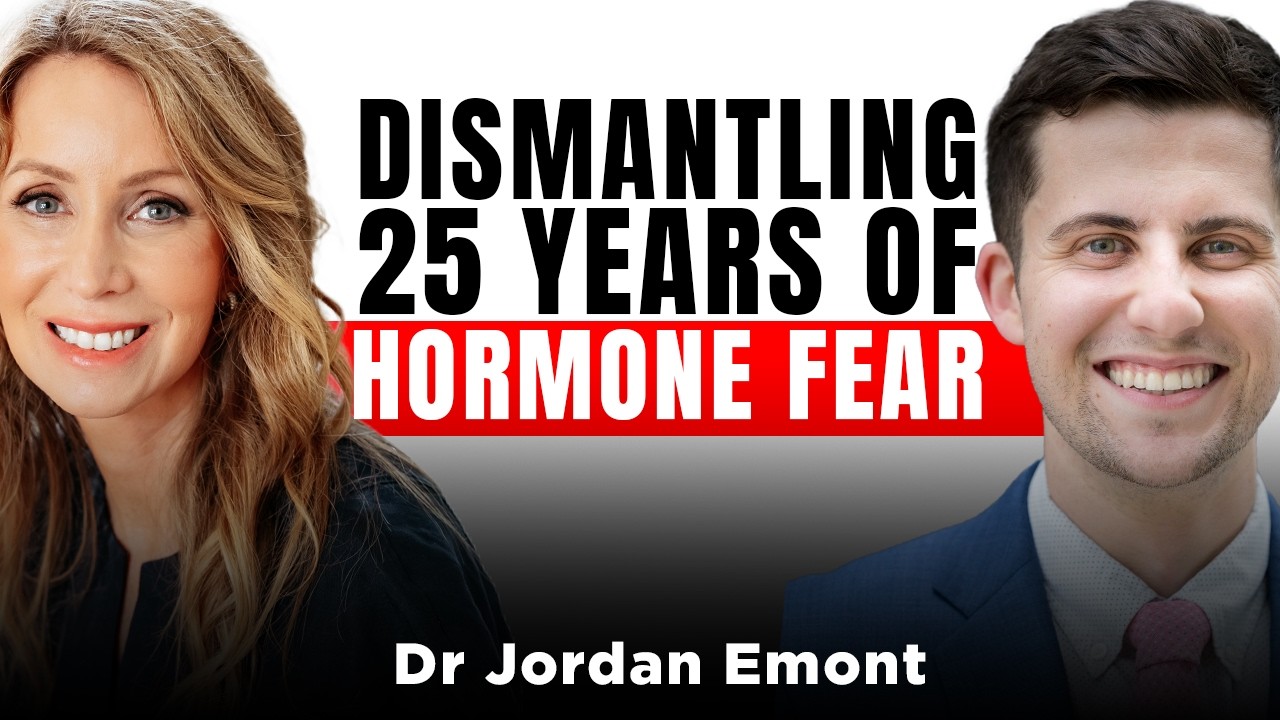
I’m thrilled to connect with Dr. Jordan Emont. He is a board-certified OB-GYN with specialty training in menopause medicine, integrative hormonal care, and sexual health, and is one of fewer than 5,000 physicians worldwide who hold the Menopause Society-certified practitioner designation.
In this conversation, we unpack the fear narrative surrounding HRT and clarify the distinctions between estrogen, progesterone, and cancer risk. We explore the impact of the Women’s Health Initiative and discuss why rigid dogmatism has no place in women’s health, the risks associated with early menopause and premature ovarian insufficiency, individual risk stratification, and contraindications to HRT. We also examine the connection between gut health and colorectal cancer, metabolic health as a modifiable cancer risk, and the emotional side of middle age and hormone replacement therapy.
Stay tuned for one of the most important and thought-provoking conversations we’ve ever had on the podcast.
#CynthiaThurlow #MenopauseGutHealth #GutHealthDuringMenopause #
HormoneBalanceForWomen #PerimenopauseSymptomsRelief #MicrobiomeHealth #GutBrainAxis #WomensHealthOver40 #MenopauseBloatingRelief #GutHealthForWomenOver40 #HealYourGutNaturally #MenopausePodcast #HealthPodcast #AuthorInterview
For more information please visit me here: https://cynthiathurlow.com/
This video is for educational and informational purposes only and solely as a self-help tool for your own use. I am not providing medical, psychological, or nutrition therapy advice. You should not use this information to diagnose or treat any health problems or illnesses without consulting your own medical practitioner. Always seek the advice of your own medical practitioner and/or mental health provider about your specific health situation.
