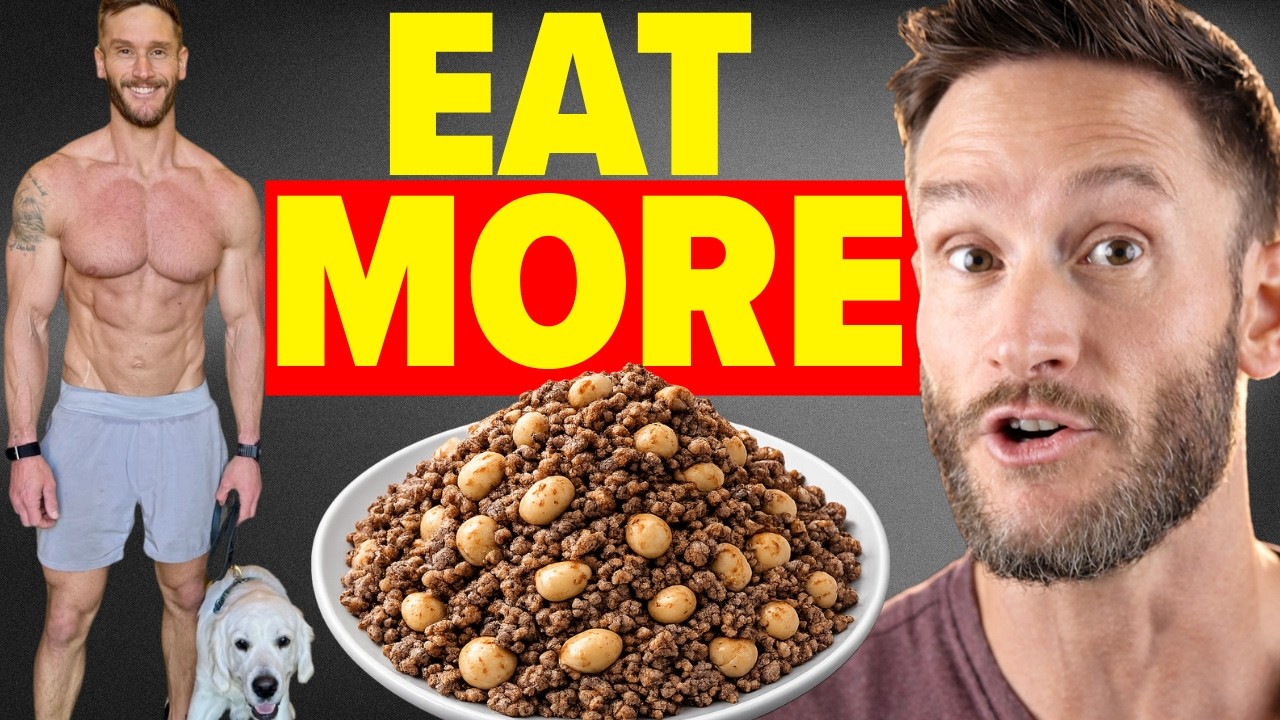
- Understanding How Hormones Affect Fat Loss
- The Role of Insulin Sensitivity in Weight Management
- Practical Strategies for Doubling Belly Fat Loss
- Myth-Busting Common Diet Beliefs
- The Importance of Lifestyle Adjustments
The journey to fat loss, particularly belly fat, often involves misconceptions and misleading information. Many people assume that cutting calories is the sole path to weight loss, but emerging research suggests otherwise. Understanding the hormonal influences on fat storage, alongside strategies to improve insulin sensitivity, can dramatically enhance one’s ability to lose belly fat without drastically reducing caloric intake.
Hormones play a crucial role in regulating body weight and composition. Insulin, for instance, is one of the primary hormones involved in fat metabolism. When blood sugar levels rise, the pancreas releases insulin. This hormone facilitates the uptake of glucose into cells for energy use but also promotes fat storage when energy intake exceeds expenditures. Notably, higher insulin levels can contribute to increased fat accumulation, particularly in the abdominal area. By improving insulin sensitivity, individuals can reduce circulating insulin levels, which can aid in releasing stored fat from the abdomen.
Insulin sensitivity refers to how effectively the body responds to insulin. Higher sensitivity means that less insulin is needed to manage blood sugar levels. To bolster insulin sensitivity, various lifestyle changes can be incorporated. Regular physical activity is one of the most effective methods, particularly resistance training and high-intensity interval training (HIIT). These activities not only aid in burning calories but also enhance muscle mass, which plays a significant role in improving insulin response.
Incorporating more whole foods into one’s diet can amplify these effects. Foods rich in fiber, such as vegetables, whole grains, and legumes, can stabilize blood sugar levels and support gut health. In contrast, highly processed foods, particularly those high in sugars and refined carbohydrates, can lead to spikes in insulin and disruptions in metabolic health. Staying hydrated is also essential, as water consumption can influence metabolic processes and fat breakdown.
Myths about dieting and weight loss abound, contributing to confusion about the right approach. A common misconception is that one must live with constant hunger to lose weight. This notion is misleading. By focusing on nutrient-dense foods, such as lean proteins, healthy fats, and high-fiber carbohydrates, individuals can feel satisfied while still achieving a caloric deficit. Additionally, the timing of food intake plays a role. Eating smaller, more frequent meals can help maintain energy levels and prevent excessive hunger, allowing for a more balanced approach to eating.
Another pervasive belief is that all fats contribute to belly fat. In reality, healthy fats, such as those found in avocados, nuts, and olive oil, can support metabolic health and fat loss. These fats are essential for hormone production and can help curb cravings, making it easier to stick to healthier eating patterns. By replacing saturated fats with healthier options, individuals can support their body’s natural processes and maintain balanced energy levels.
Lifestyle adjustments extend beyond dietary choices. Quality sleep significantly affects weight management. Lack of sleep can disrupt hormone levels, particularly those related to hunger and satiety, leading to increased appetite and cravings. Striving for 7 to 9 hours of quality sleep can significantly enhance the fat loss process and improve overall well-being. Stress management is equally important, as high stress levels can increase cortisol, a hormone that can contribute to fat retention, particularly in the abdomen. Incorporating stress-reducing practices such as mindfulness, yoga, or regular physical activity can support mental and physical health.
By focusing on these key strategies—enhancing insulin sensitivity, incorporating whole foods, busting diet myths, prioritizing quality sleep, and managing stress—it is feasible to double belly fat loss without the need to eat less. Furthermore, education plays a vital role in fostering understanding and promoting long-term success. Equipped with knowledge about how the body responds to food and fitness, individuals can take informed steps toward their fat loss goals.
Incorporating these principles into daily life does not require extreme changes. Small, gradual adjustments can lead to significant outcomes. For example, swapping a sugary breakfast cereal for oatmeal topped with berries and nuts can create a more filling and healthier start to the day. Similarly, taking short breaks to walk or do light exercises during the workday can contribute to overall physical activity levels and metabolic health.
Belly fat loss is not merely about reducing caloric intake. It emphasizes understanding the body’s hormonal signals and responding accordingly. By maintaining an approach centered on nourishment, balance, and mindful practices, individuals can navigate their fat loss journey with greater ease and sustainability.
As one embarks on this journey, it’s crucial to set realistic goals and expectations. Quick fixes often yield temporary results and can lead to frustration. Instead, embracing a holistic view of health that includes physical, mental, and emotional well-being can pave the way for lasting changes. Tracking progress through non-scale victories, such as improved energy levels and better-fitting clothes, provides motivation aside from just numbers.
Education is also key in dispelling pervasive myths about diet and fat loss. Engaging with credible sources, studies, and professionals can facilitate understanding and help individuals discern effective strategies from misleading information. Enabling oneself with knowledge equips individuals to make informed decisions regarding their health and weight management.
Ultimately, the process of doubling belly fat loss without eating less requires a comprehensive understanding of the body’s needs and responses. A balanced approach that considers nutritional intake, physical activity, sleep, and stress management can create an environment where fat loss becomes a natural byproduct rather than a strenuous endeavor. This perspective marks a transformative way to view health and weight, shifting focus from restrictive diets to sustainable habits that enhance both body and mind.
In reflecting on this multifaceted approach, individuals can move toward their fat loss goals with renewed vigor and information. Ditching the prevailing narratives about dieting and embracing a holistic strategy fosters a more empowering and sustainable path to weight management, ultimately leading to improved health and well-being. By learning about how insulin sensitivity and hormone regulation function, individuals can take charge of their health and achieve their goals effectively.
The path to efficient belly fat loss may involve significant reflections on lifestyle and diet, but the outcome promises far more than mere weight reduction. It opens avenues for stronger metabolism, better energy management, and an overall enhanced quality of life. The journey becomes one of self-discovery and empowerment, wherein individuals regain control over their health narratives, redefining what it means to achieve wellness in their lives.
*****
Source Description
Use Code THOMAS for 10% off Timeline’s MitoPure:
http://timelinenutrition.com/thomas
This video does contain a paid partnership with a brand that helps to support this channel. It is because of brands like this that we are able to provide the content that we do for free.
Click HERE to Subscribe: https://www.youtube.com/c/ThomasDeLauerOfficial?sub_confirmation=1
Please check out the new Shorts channel, DeLauer Clips and Workouts, here: https://www.youtube.com/channel/UCQPQImPsw74KhO0Zy2-leyA/videos
Please Subscribe to my Email Newsletter Here: https://www.thomasdelauer.com/life-optimization-tactics/
Follow More of My Daily Life on Instagram: http://www.Instagram.com/ThomasDeLauer
References
https://www.nature.com/articles/s41598-022-21321-1
Timestamps ⏱
0:00 – Intro
1:01 – Mitochondria Are More Than Just Energy Factories (quantum)
3:45 – What Does This Have to Do With Losing Weight?
4:55 – 10% off Timeline’s MitoPure
5:43 – Mitochondria Have Their Own DNA
6:34 – 6 Things the Mitochondria Control
9:07 – What Can You Do? | Actionable Toolkit
11:58 – New Era of Fat Loss (mitochondria & quantum science)
