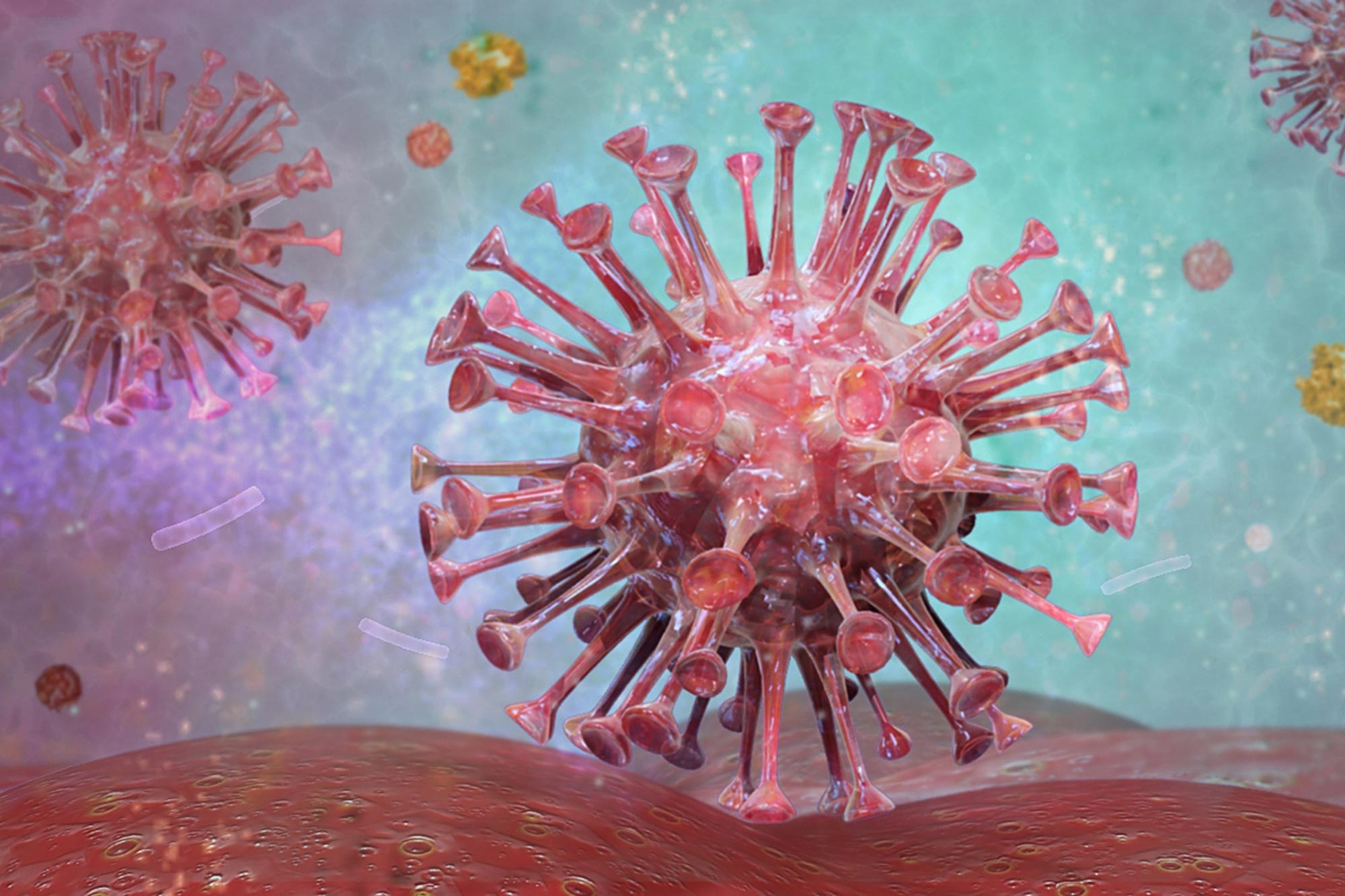
Summary of A Common Diabetes Drug May Hold the Key to Stopping HIV From Coming Back:
Researchers are exploring why some individuals with HIV can suppress the virus for extended periods after halting treatment. They found that specific immune cells and genes, along with the diabetes medication metformin, may play crucial roles in maintaining this dormant state. Key findings include the identification of two genes, DDIT4 and ZNF254, which help keep HIV inactive, and the potential of metformin to enhance this dormancy.
In studies involving individuals who stopped their HIV therapy, scientists discovered that higher levels of particular immune cells, including stem cell memory CD8+ T cells and specific natural killer cells, correlated with slower viral rebound. The research underscores multiple avenues for controlling HIV without continuous medication.
The insights open doors for potential new HIV treatment strategies aimed at achieving long-term control through a “block and lock” method, reducing the need for daily antiretroviral therapy and possibly improving overall health by mitigating chronic inflammation. Further preclinical testing of metformin and similar compounds is planned.
*****
Summary Bullet Points
- New research suggests that metformin, a common diabetes medication, could help keep HIV dormant in patients after they stop antiretroviral therapy.
- Scientists identified specific immune cells and genes that contribute to prolonged control of HIV even when treatment is paused.
- The study offers insights into potential strategies for achieving long-term remission and possibly reducing reliance on daily medication.
- Understanding the immune system’s role opens up exciting avenues for therapeutic developments in HIV treatment.
- Researchers aim to further investigate metformin’s effectiveness, with implications for improving the overall health of individuals living with HIV.
Unlocking the Secrets of Dormant HIV: A Glimpse into Groundbreaking Research
Imagine living with a virus that, if left unchecked, can wreak havoc on your body, yet finding a way to keep it dormant—hidden away from the world. This scenario may not be as far-fetched as it sounds, especially with recent research revealing fascinating connections between a common diabetes drug, metformin, and the management of HIV. The intersection of these two distinct health issues offers a remarkable glimpse into the potential for innovative treatments that could redefine our approach to one of the most significant viral infections of our time.
The Challenge of HIV
For millions of individuals living with HIV, daily medication is not merely a choice but a lifeline. Antiretroviral therapy (ART) can effectively suppress the virus, allowing individuals to lead normal lives. However, the challenge arises when treatment stops, leading to rebound of the virus typically within a matter of weeks. This reality leaves many searching for answers, particularly when they consider the stories of those rare individuals who manage to control the virus long after therapy has ended.
Take, for instance, those remarkable few who experience delayed viral rebound. As Dr. Nadia Roan from the Gladstone Institutes points out, while most experience swift resurgence, “a small number of people rebound much more slowly and take multiple months or even longer to rebound.” This puzzling pattern has spurred scientists to delve into the immune mechanisms at play, making strides toward immunological solutions.
Insights from Research
In a groundbreaking study published in Immunity, Roan and her team embarked on an exploration of how certain genes and immune cells work symbiotically to maintain the virus in a dormant state. Their investigation led them to uncover that the diabetes drug metformin could be pivotal in this process. But how does a medication typically used for managing blood sugar levels relate to a viral infection? The answer lies in the intricate workings of our immune system.
The researchers found that two specific genes in infected cells function as protective locks that keep HIV at bay. They discovered that metformin could activate one of these genes, particularly DDIT4, enhancing its ability to suppress viral activity. Imagine that! A common medication could be used in an entirely new context, shaping the future of HIV treatment.
The Role of Immune Cells
To truly appreciate this research, we must first understand the critical role played by immune cells in the fight against HIV. The study examined blood samples from participants on ART, revealing striking correlations between specific types of immune cells and delayed viral rebound.
One notable finding centered around stem cell memory CD8+ T cells. Individuals with higher levels of these cells not only showed slower viral returns but also exhibited promising features that hinted at their longevity and potential to replenish themselves. It is this memory that may allow them to control HIV without ongoing therapy. Dr. Roan emphasizes, “These CD8+ T cells appear to have ‘stem-like’ features,” suggesting a reservoir of immune capability against the virus.
Moreover, within the body’s arsenal, natural killer cells were also found to play a critical role. Those with a unique profile of these cells demonstrated delayed rebound. This finding underscores the complexity of immune responses to HIV and suggests that multiple pathways may be utilized to achieve control over the virus, opening thrilling possibilities for treatment strategies.
The DNA Connection
What’s particularly engaging is the investigation into specific genes responsible for keeping HIV dormant. The study identified that both DDIT4 and ZNF254 were linked to longer durations before the virus could rebound. Laboratory experiments confirmed that these genes possess the ability to suppress HIV activity.
Envision a scenario in which these genes could be manipulated—or, even better, directly delivered to HIV-infected cells. The analysis brings forth a bold idea: potentially engineering an even stronger version of the ZNF254 gene, paving the way for individuals to become "elite controllers," those who naturally suppress the virus without treatment.
Metformin: The Unexpected Hero?
The intersection of diabetes and HIV therapy suggests that metformin may provide therapeutic benefits beyond its conventional use. Early experiments revealed that when T cells from HIV-positive individuals were treated with metformin, the virus struggled to reactivate. Such findings facilitate the idea that leveraging existing medications could offer a route towards significant paradigm shifts in HIV treatment strategies.
“Imagine a future where individuals could take a simple pill, and not only manage their diabetes but also maintain HIV in a dormant state,” remarked Dr. Roan. This scenario isn’t just a dream; it’s rapidly approaching functional reality with determined and innovative research.
Implications for HIV Treatment
The potential implications of these findings are staggering. While current antiretroviral therapies can effectively manage the virus, they come with their own set of challenges, including the need for lifelong adherence and regular medical supervision. If metformin could help achieve sustained viral control after stopping ART, it could dramatically improve the quality of life for many, alleviating the constant burden of daily medication.
Moreover, the possibility of reducing overall health complications that often accompany high viral loads poses an important factor in the holistic treatment strategy for individuals living with HIV. Chronic inflammation linked to viral activity is not only a discomfort but also a trigger for various health complications. By curtailing this inflammation through innovative interventions like metformin, researchers could dramatically enhance the overall health outcomes for those affected.
The Road Ahead
As researchers continue to probe deeper into these findings, the exciting prospect of clinical trials looms large. The road to implementing metformin and its potential derivatives as part of standard HIV treatment will necessitate further investigative studies, exploring both its efficacy and safety.
A multidisciplinary approach, like that seen within the HOPE Collaboratory, harnesses expertise from numerous fields to unlock the mechanisms involved in HIV control. By leveraging weaves of immunology, genetics, and pharmacology, the goal is not only to find a cure but to enhance the lives of those living with the virus.
Closing Thoughts
The intertwining pathways of diabetes treatment and HIV management exemplify the gorgeous complexity of medical science, where unexpected connections can lead to groundbreaking advancements. The possibility of utilizing a well-established drug like metformin to provide a new frontier in controlling HIV offers a spark of hope for those living with the virus. The fundamental insights derived from these studies serve as a reminder of the continual evolution of our understanding of health and disease.
As we journey forward, the integration of this newfound knowledge could catalyze a future where HIV is not just managed but potentially rendered dormant, liberating society from the shackles of this devastating virus. Researchers, healthcare providers, and individuals with HIV can all view this development not merely as a scientific breakthrough, but as a beacon of hope—an affirmation that with curiosity, tenacity, and collaboration, challenges can pave the way for remarkable solutions.
In an ever-evolving landscape of medical science, the narrative of struggle can transform into a story of triumph, and the exploration of possibility can ignite new passions for health and healing. Together, the insights from research today may be the keys to a brighter tomorrow, where living free of daily medication becomes a tantalizing reality for many.