- Understanding the Phases of the Menstrual Cycle
- Exploring Hormonal Changes and Their Impact on Mood and Energy Levels
- Nutrition and Diet Adjustments Throughout the Cycle
- The Role of Exercise and Physical Activity
- Lifestyle Tips for Thriving During Your Cycle
Recognizing the phases of the menstrual cycle is fundamental for anyone wishing to thrive during their period. Typically, a cycle can be divided into four distinct phases: menstruation, the follicular phase, ovulation, and the luteal phase. Each phase has unique characteristics influenced by hormonal changes that occur within the body. Understanding these phases can empower individuals to better manage their health, energy levels, and overall well-being.
Menstruation marks the beginning of the cycle. During this time, the body sheds the uterine lining, leading to the onset of the period. Most women feel low energy and may experience mood fluctuations. Following menstruation, the follicular phase begins, lasting until ovulation. During this phase, estrogen levels begin to rise, which can result in increased energy and an elevated mood. The ovarian follicles grow, preparing for ovulation.
Ovulation occurs midway through the cycle. This is when an egg is released from the ovary. During this phase, estrogen reaches its peak, often bringing feelings of increased confidence and vitality. Post-ovulation, the body enters the luteal phase. The hormones progesterone and estrogen work together. Many individuals may experience premenstrual symptoms like irritability or fatigue. This phase is crucial for assessing what the body needs to maintain balance.
Exploring hormonal changes and their impact on mood and energy levels is critical for mastering cycle syncing. Hormones play a vital role in both emotional and physical states. For example, during the follicular phase, elevated estrogen often results in heightened optimism and energy, which may encourage individuals to pursue challenging tasks or socialize more frequently. Conversely, in the luteal phase, rising progesterone can induce fatigue and irritability. Recognizing these shifts can help in timing activities appropriately according to hormonal influences.
Those who track their cycle might note variations not just in mood but also in physical endurance. Some may find they can lift heavier weights or run faster during the follicular phase, while exercise may feel more strenuous during the luteal phase. This knowledge allows for better planning of workouts to align with energy peaks and troughs, optimizing fitness results and overall enjoyment.
Nutrition is undeniably essential for optimizing each phase of the menstrual cycle. During menstruation, a focus on hydrating foods and iron-rich meals is beneficial, as blood loss can decrease iron levels. Leafy greens, legumes, and lean meats can help replenish iron while also offering necessary vitamins. As estrogen rises during the follicular phase, incorporating foods that support estrogen metabolism can enhance energy levels. Fruits, vegetables, and whole grains should be staples in this phase, as they support liver health and detoxification.
When ovulation occurs, this is an excellent time to emphasize healthy fats such as avocados, nuts, and seeds. These foods not only provide energy but also support hormone production. Balancing blood sugar becomes increasingly important as one transitions into the luteal phase. Incorporating complex carbohydrates, such as whole grains and starchy vegetables, can regulate energy levels and keep mood swings at bay.
The role of exercise during the menstrual cycle cannot be understated. Different phases call for varying approaches to physical activity. During menstruation, gentle movements such as yoga or walking can be highly beneficial and aid in easing cramps. As energy levels rise in the follicular phase, more intense workouts can be embraced, including weight training or high-intensity interval training (HIIT).
As ovulation occurs, individuals might find they perform best; this is an ideal time for personal records or high-energy classes. The luteal phase, while potentially lower in energy, doesn’t have to be devoid of physical activity. Light to moderate workouts, such as swimming or walking, can still be effective and support both physical and mental well-being. Understanding personal limits is key; listening to the body signals is important.
Lifestyle tips can further enhance the cycle syncing experience. Consider keeping a journal to track not only the phases of the menstrual cycle but also feelings, energy levels, and food cravings. This dedicated practice fosters awareness and assists in making informed choices based on previous experiences. Moreover, mindfulness practices such as meditation or relaxation exercises can help manage stress and anxiety, especially during the luteal phase when mood fluctuations may be more pronounced.
Incorporating specific supplements could also be beneficial. Omega-3 fatty acids may assist in reducing inflammation and can help improve mood; magnesium is known for its role in promoting relaxation and can aid in alleviating premenstrual symptoms. Consulting with a healthcare provider about suitable supplementation options tailored to individual needs is always advisable.
Ultimately, thriving on one’s period requires a holistic approach. By intimately knowing the menstrual cycle and making informed choices about nutrition, exercise, and lifestyle, individuals can optimize their well-being. Cycle syncing provides a framework for recognizing natural rhythms and utilizing them for a more empowered and balanced life.
Being mindful of this knowledge allows individuals to adjust to their bodies rather than resist changes throughout the cycle. As understanding deepens, so too does the ability to thrive — turning the monthly experience into a period of growth and self-care. Cycle syncing is more than just a trend; it’s a pathway for personal empowerment and a sustainable approach to health.
*****
Source Description
Make sure your body is getting the micronutrients it needs, at the right time of the month. Save 20% off DailyBasis Cycle Routine: https://www.dailybasislife.com/KAIT (US only)
If you feel great one week… and then completely off the next, it’s not in your head.
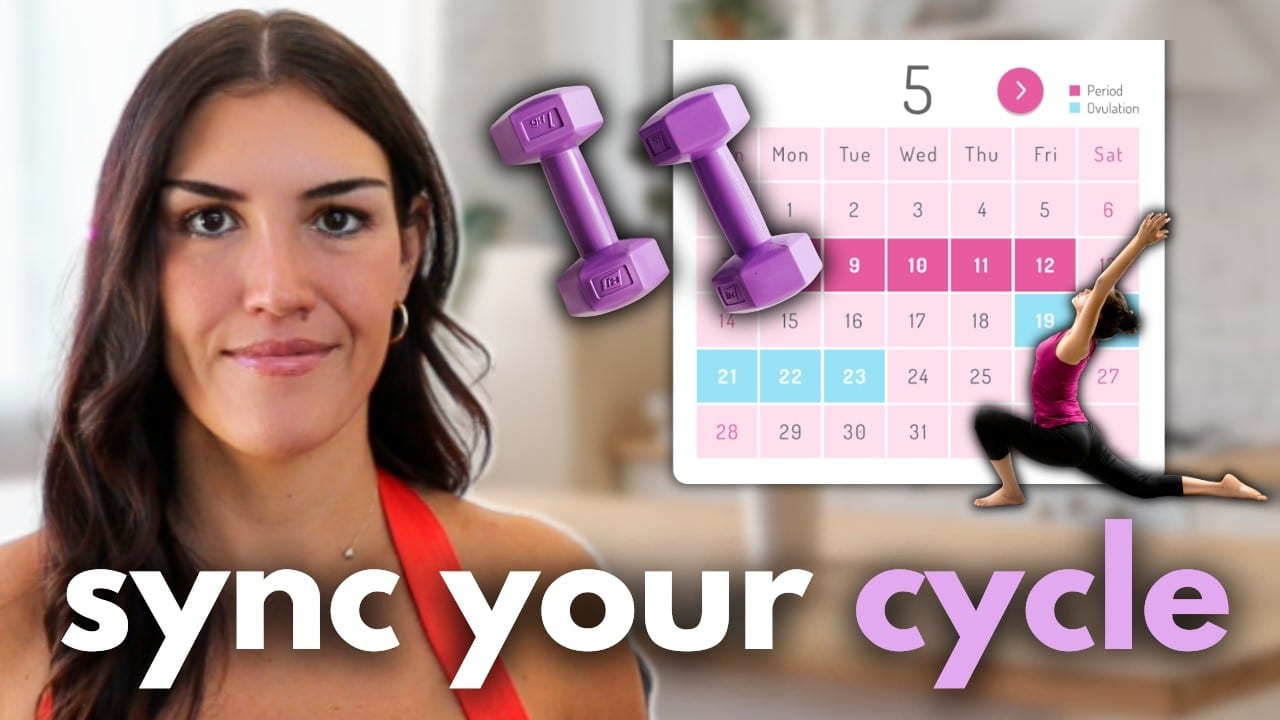
Your hormones are changing across your menstrual cycle, and that affects your energy, mood, workouts, metabolism, and even how your body handles food.
In this video, I break down cycle syncing in a simple, practical way, so you can understand what’s actually happening in your body and how to work with it instead of against it.
I also talk about birth control, how it impacts your cycle, and why some hormonal imbalances like PCOS can be masked.
If your goal is better energy, fewer cravings, improved workouts, and more consistency throughout the month, this is what you need to know.
———–
*MY METABOLIC TOOLKIT*
💫 Berberine (10% off: KAIT10): https://hckait.com/getsobalanced
🧂 Electrolytes (15% off): https://hckait.com/sodiielectrolytes
🥤 Protein powder (20% off): https://hckait.com/equip
🍳 Non-toxic cookware (15% off): https://hckait.com/misen
🩸 At-home insulin resistance test (10% off: KAIT10) https://hckait.com/getsowell
🔥 Continuous glucose monitor (25% off): https://hckait.com/signos
🚨 Red light therapy ($260 off): https://hckait.com/rlt
☕️ MCT oil: https://hckait.com/bulletproof
*WATCH NEXT*
*SOCIAL LINKS*
Instagram: https://instagram.com/healthcoachkait
TikTok: https://tiktok.com/@healthcoachkait
Facebook: https://facebook.com/.com/healthcoachkait
*COACHING*
7-Day Insulin Resistance Masterclass https://hckait.com/IRmasterclass
*TIME STAMPS*
0:00 Intro
0:59 Follicular phase (life is good!)
2:00 Menstrual phase (rest if needed)
3:45 Ovulatory phase (you’re at your hormonal peak)
4:12 Luteal phase (rest and replenish)
6:04 Nutritional needs throughout your cycle
7:26 How does cycle syncing change if you have PCOS?
*ABOUT ME*
Hi, I’m Kait Malthaner (aka Health Coach Kait), a certified health and nutrition coach specialising in blood sugar balance and reversing insulin resistance. I help you simplify health so you can naturally lower blood sugar, A1c, and blood pressure, lose stubborn belly fat, and feel your best again. Getting healthy doesn’t have to be complicated. Small changes lead to big results.
Disclaimer: This video is for informational purposes only and is not a substitute for professional medical advice. Always consult your doctor regarding any medical concerns. Some links are affiliate links, meaning I may earn a small commission at no extra cost to you. I only recommend products I personally use, trust, and love.
#CycleSyncing #LutealPhase #WomensHealth