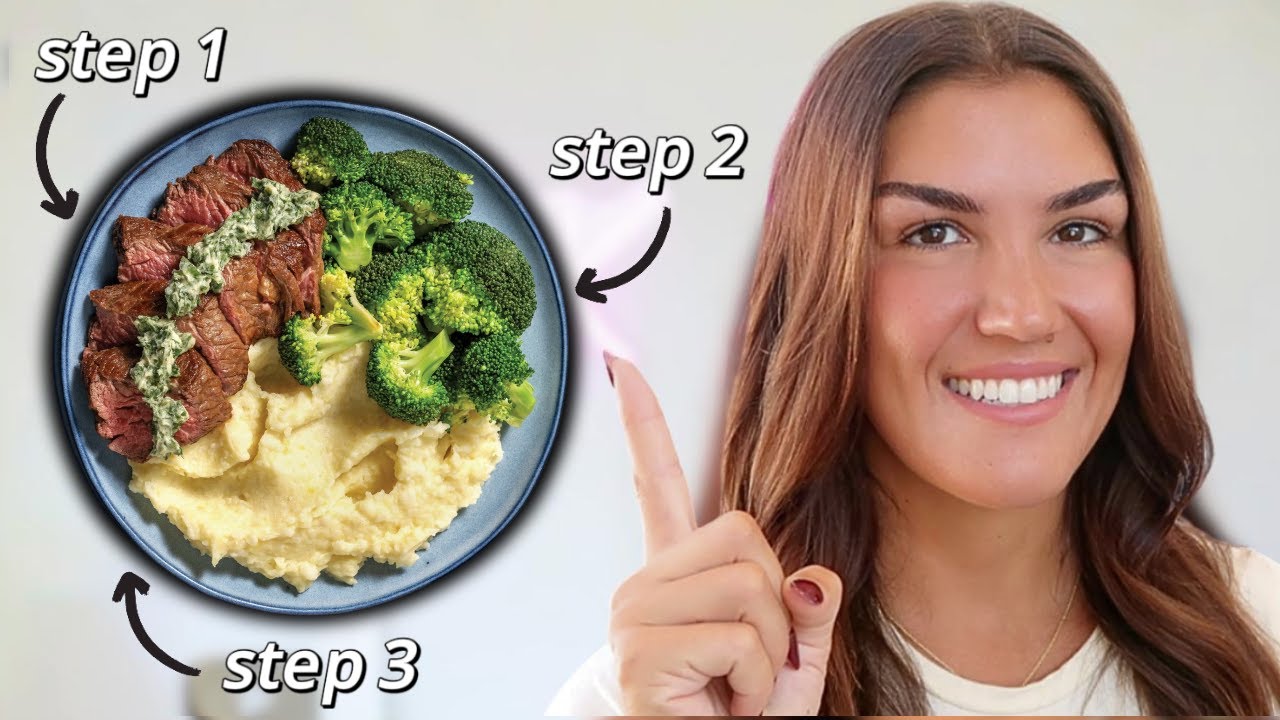
- Understanding the Fundamentals of Low Carb and High Protein Nutrition
- Key Components for a Satisfying Low Carb, High Protein Plate
- The Role of Protein in Satiety and Metabolism
- Practical Tips for Building a Balanced Plate
- Meal Examples to Keep You Full for Hours
A low carb, high protein diet is increasingly recognized for its potential benefits in weight management and metabolic health. Understanding the fundamentals of this dietary approach can be key for those interested in crafting a plate that supports their health goals. Low carbohydrate intake often correlates with lower insulin levels, creating an environment conducive to fat loss. High protein consumption is supercharging satiety, preventing hunger pangs, and facilitating muscle maintenance.
The primary components of a well-structured low carb, high protein plate include protein sources, healthy fats, and non-starchy vegetables. Each component plays a particular role, helping to cultivate a balanced meal that promotes fullness. Protein sources can range from animal-based options like chicken and fish to plant-based alternatives such as legumes or tofu. Healthy fats include choices like avocados, nuts, and olive oil. Non-starchy vegetables such as leafy greens, broccoli, and bell peppers provide essential micronutrients without the carbs.
Protein is often referred to as the building block of the body, and for an excellent reason. It contributes not only to muscle growth but also to various physiological functions. High protein consumption can elevate satiety signals, which may help prevent overeating. Additionally, protein has a higher thermic effect compared to fats and carbohydrates, meaning your body expends more energy digesting protein-rich foods. This effect can further contribute to an enhanced metabolic rate, making it easier to maintain a healthy weight.
Crafting a satisfying low carb, high protein plate involves mindful selection and portioning of ingredients. Begin by choosing a high-quality protein, paired with healthy fats to improve palatability and nutrition. Incorporating an abundance of vegetables not only boosts vitamin and mineral intake but also adds fiber, which helps regulate digestion and maintain stable blood sugar levels.
Real-world examples of low carb, high protein meals include a grilled lemon herb chicken breast served with a side of sautéed spinach drizzled in olive oil and sprinkled with slivered almonds. Another delicious option could involve broiled salmon with asparagus, topped with a dollop of tzatziki, providing both flavor and texture. Simple modifications like adding nuts and seeds to your vegetable dishes or opting for a leafy green salad over starchy grains can strengthen the satiety quotient.
Selecting the right ingredients for building a low carb, high protein plate can feel overwhelming, yet sticking to fresh, whole foods can simplify this process. By familiarizing oneself with nutrient-dense foods, you will be better equipped to make informed choices. Utilize lean cuts of meat, seasonal vegetables, and healthy fats to create meals bursting with flavor and nutrition. Cooking methods like grilling, broiling, or steaming preserve nutrients better than methods that require excessive oils or fats, keeping the meals lighter and more aligned with health goals.
Looking closely at different protein sources, lean meats and fish generally provide a higher protein concentration with lower fat content. On the other hand, plant-based proteins may offer additional nutrients like fiber and antioxidants. Combining different protein sources can also add flavor complexity and enhance the overall meal experience. Chicken, turkey, fish, and eggs are excellent choices for those looking to maximize their protein intake. Incorporating plant-based options, such as chickpeas, lentils, and nuts, can cater to diverse dietary preferences while maintaining essential macronutrient balance.
Healthy fats should receive careful consideration when planning meals. Unlike trans fats and refined oils which can lead to adverse health conditions, unsaturated fats found in foods like avocados, olive oil, and fatty fish are beneficial. These healthy fats not only contribute to flavor but also support heart health and enhanced absorption of fat-soluble vitamins. These essential fats can be easily incorporated into meals through dressings, cooking methods, or as garnishes.
Vegetables often represent the unsung heroes of a well-rounded plate. They are low in carbohydrates and high in essential vitamins and minerals. Non-starchy vegetables can be enjoyed in abundance without the worry of excessive calorie intake. While leafy greens like kale, spinach, and arugula are excellent choices, don’t overlook cruciferous vegetables such as cauliflower, broccoli, and Brussels sprouts, which also offer a plethora of nutrients and fiber.
When constructing a low carb, high protein plate, portion control remains important. Mindful eating can enhance the meal experience and increase satisfaction. Listening to hunger cues and focusing on eating without distractions helps individuals better gauge their fullness signals. Additionally, engaging in meal prep can be a useful strategy to ensure easy access to healthy combinations during busy days. Preparing meals in advance allows for quick assembly and reduces the temptation to opt for less healthy choices.
Another practical approach to building a satisfying plate is to experiment with herbs and spices. Flavorful seasonings can elevate bland meals while providing additional health benefits. Spices such as cayenne, turmeric, and cinnamon have well-researched anti-inflammatory properties and can enhance the overall health profile of your meals. Integrating a variety of flavors will also contribute to greater enjoyment, which can be crucial for long-term adherence to a specific dietary regimen.
Consider alternate meal examples to illustrate effective meal planning in this dietary context. A fulfilling breakfast option could include scrambled eggs with diced tomatoes and avocado. For lunch, a quinoa and chickpea bowl topped with grilled vegetables and a tahini dressing can offer both protein and fiber. Dinner may feature a marinated flank steak with a mixed green salad dressed in olive oil and vinegar. Snacking can also be approached with intention, with choices like Greek yogurt topped with berries or a handful of almonds.
Colony studies highlight the gut-brain connection and its impact on hunger signals. A diet that combines low carbs with high protein may positively influence gut microbiota, contributing to better metabolic health and improved insulin sensitivity. Consuming more whole foods, rich in fiber, not only nourishes but helps regulate blood sugar levels. This strategy can be particularly beneficial for individuals with insulin resistance or those at risk for metabolic syndrome.
The relationship between protein intake and muscle maintenance is pivotal, particularly during weight loss. Adequate protein can mitigate muscle loss, which is often a concern during calorie restriction. Furthermore, as metabolism and energy expenditure can decline with age, maintaining muscle mass through high protein consumption can make a significant impact on overall health. Engaging in regular strength training alongside adequate protein intake creates a synergistic effect that supports both weight management and metabolic function.
Creating a low carb, high protein plate is not just a dietary choice; it’s an approach that can profoundly impact satisfaction, energy levels, and overall well-being. By understanding the individual components of such a plate—protein sources, healthy fats, and vegetables—combined with practical tips, anyone can design meals that are not only nourishing but also enjoyable. Thoughtful meal construction lays the groundwork for healthier lifestyle choices, ultimately empowering individuals to achieve their dietary goals without compromising on flavor or satisfaction. The combination of nutrient-dense foods can keep you full for hours while supporting your body’s needs.
*****
Source Description
If you’re constantly hungry, craving sugar, or struggling to feel satisfied after eating, your meals might not be built the right way.
In this video, I’ll show you exactly how to build a low carb, high protein plate that keeps you full for hours, without tracking, counting calories, or giving up your favorite foods.
You’ll learn how much protein you really need, what healthy fats to cook with, and how to balance your meals for steady energy and better insulin sensitivity.
This is the same framework I use with my clients to naturally regulate hunger, stabilize blood sugar, and make healthy eating simple and sustainable.
ButcherCrowd is my go-to for high quality grass-fed and pasture-raised meat.
Get 15% off your first box plus free steak knives with code HCK15 → https://hckait.com/bucthercrowd
Protein powder (20% off) https://hckait.com/equip
Ghee (10% off: KAIT10) https://www.cellsquared.com.au/shop/organic-grass-fed-ghee?aff=2
⸻
🩸 3-Day Blood Sugar Reset → https://healthcoachkait.com/bloodsugarreset
⚠️ 7-Day Insulin Resistance Masterclass → https://healthcoachkait.com/IRmasterclass
🎧 Healthy Not Complicated Podcast → https://hckait.com/podcast
Hi, I’m Kait Malthaner (aka Health Coach Kait), a certified health and nutrition coach specializing in blood sugar balance and reversing insulin resistance. I help you simplify health so you can naturally lower blood sugar, A1c, and blood pressure, lose stubborn belly fat, and feel your best again. Getting healthy doesn’t have to be complicated. Small changes lead to big results.
⸻
Recommended Products & Discounts
🩸 At-Home Insulin Resistance Test (Code: KAIT10) → https://hckait.com/getsowell
🧂 Electrolytes (Code: HCK15) → https://hckait.com/sodiielectrolytes
💫 Berberine (Code: KAIT10) → https://hckait.com/getsobalanced
🩷 Inositol (Code: KAIT10) → https://hckait.com/getsosynced
🥤 Blood Sugar Drinks (Code: KAIT15) → https://hckait.com/goodidea
💪 Protein Powder (Code: HCK15) → https://hckait.com/protein
🔥 CKM (Code: KAIT15) → https://hckait.com/ckm
📱 CGM (Code: ULTRAKAIT15) → https://hckait.com/cgm
⸻
Timestamps
0:00 Intro
1:11 Step 1: Start with protein
1:58 How much protein do you need?
3:33 Step 2: Choose the right cooking fat
4:46 Step 3: Add low carb veg and low sugar fruit
6:16 Step 4: Finish with more fat
6:52 Putting it all together
7:53 What if you’re still hungry?
9:08 Example meals and day of eating
⸻
Disclaimer:
This video is for informational purposes only and is not a substitute for professional medical advice. Always consult your doctor regarding any medical concerns. Some links are affiliate links, meaning I may earn a small commission at no extra cost to you. I only recommend products I personally use, trust, and love.