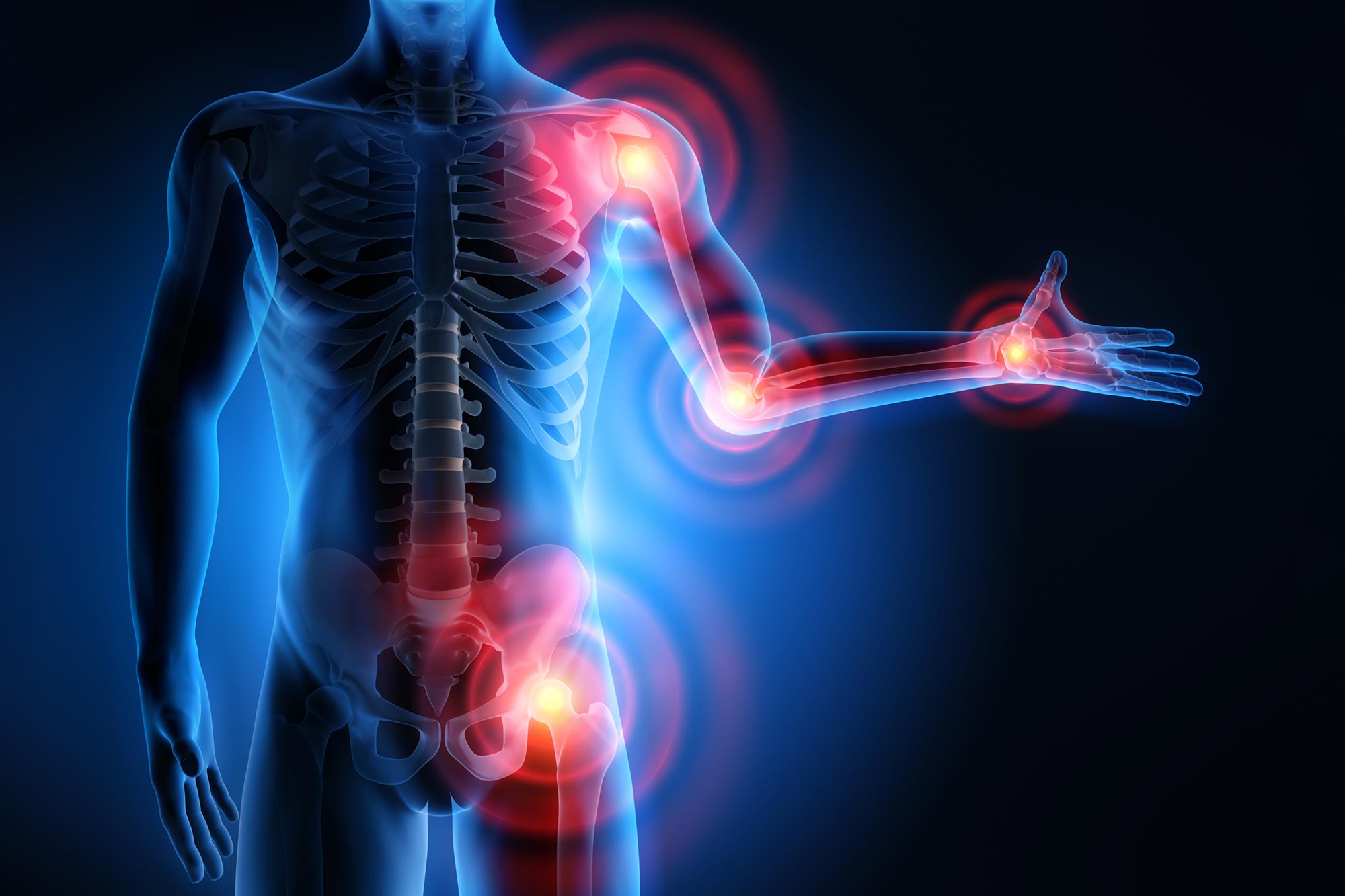
Summary of Could Low Vitamin D Be Making Your Pain Worse?:
A study published in Regional Anesthesia & Pain Medicine found that low vitamin D levels in breast cancer patients are linked to increased pain and higher opioid usage following surgery. The research involved 184 patients, half of whom had vitamin D deficiency. Findings indicated that those with low vitamin D were three times more likely to experience moderate to severe pain post-surgery and required significantly more tramadol, an opioid, for pain relief. The study suggests that vitamin D supplementation before surgery may help mitigate postoperative pain, although its observational nature means causation cannot be definitively established. Researchers call for further exploration into vitamin D’s role in pain regulation.
*****
Summary Bullet Points
- Vitamin D and Pain Management: Low levels of vitamin D are linked to increased pain and opioid use after breast cancer surgery.
- Pain Perception: Vitamin D may influence the body’s ability to detect and process pain due to its effects on inflammation and the immune system.
- Preoperative Benefits: Patients with vitamin D deficiency could benefit from supplements prior to surgery.
- Clinical Study Findings: Research conducted in Egypt demonstrated significant disparities in pain levels and medication use between patients with sufficient and deficient vitamin D.
- Implications for Recovery: Increasing vitamin D may improve postoperative recovery and reduce reliance on pain medications.
Could Low Vitamin D Be Making Your Pain Worse?
The sun—an abundant source of life, energy, and warmth. But did you know it also plays a vital role in how our bodies manage pain? Vitamin D, often referred to as the "sunshine vitamin," is increasingly becoming the center of fascinating research, particularly in the realm of pain management. What if low levels of this essential nutrient are making your recovery from surgery more difficult than it needs to be? Let’s explore this intriguing connection.
The Role of Vitamin D
Vitamin D isn’t just about maintaining strong bones; its influence extends into the anti-inflammatory response and immune system regulation. As the body’s guard against autoimmune disorders and chronic pain conditions, vitamin D assists in modulating inflammatory responses. Therefore, when levels dip below the recommended threshold, one might experience a cascade of issues impacting not just physical health but emotional wellbeing as well.
Recent research shines a light on vitamin D’s direct correlation with pain management. A study published in Regional Anesthesia & Pain Medicine investigated postoperative pain in breast cancer patients, revealing that those with insufficient vitamin D levels required greater postoperative pain medication and suffered more intense discomfort.
The Study: A Closer Look
Conducted at Fayoum University Hospital in Egypt, this study followed 184 women undergoing unilateral modified radical mastectomy, a critical procedure for breast cancer treatment. The participants were divided into two groups: those with vitamin D deficiency (below 30 nmol/L) and those with sufficient levels. Interestingly, the average age of the deficiency group was 44, while the sufficient group averaged 42.
While both groups received similar medical care during and after surgery, significant differences in their postoperative experiences emerged. Patients with lower vitamin D were three times more likely to report moderate to severe pain within the first 24 hours post-surgery. Though the severity did not reach the extreme levels that would signify critical distress (rated 7 or higher on a 0–10 scale), this finding draws attention to the nuances of pain perception and management.
The Pain Connection
Here’s where vitamin D’s role truly becomes fascinating. Pain is not merely a physical sensation; it’s a complex interplay of biological, psychological, and social factors. When vitamin D levels are low, one might experience heightened sensitivity to pain due to increased inflammation. The study participants with lower vitamin D not only reported more pain but also required significantly more opioid medications, averaging 112mg more tramadol post-surgery than their counterparts.
Pain, coupled with the side effects of opioids such as nausea and sedation, can create a challenging cycle for recovery. Acknowledging the limitations of the study is crucial—while observational, it offers insights into a potential area for intervention.
Preoperative Supplementation: A Game Changer?
As the notion of preventive healthcare becomes more prominent, the idea that vitamin D supplementation could ease the recovery process after surgery is compelling. Imagine stepping into a surgical procedure with elevated levels of vitamin D; might you not only experience less pain but also recover more swiftly?
The authors of the study concluded that “preoperative vitamin D supplementation in breast cancer patients with vitamin D levels below 30 nmol/L may have a role in modulating postoperative pain.” This highlights a promising pathway for improving patient outcomes that we can all support through better awareness and health practices.
Practical Steps to Increase Vitamin D
-
Sun Exposure: One of the simplest methods is to bask in the sun for about 15-30 minutes several times a week, depending on skin tone and geographical location. Always consider safety; skin protection should not be overlooked.
-
Dietary Sources: Incorporate foods rich in vitamin D, such as fatty fish (salmon, mackerel), fortified dairy products, egg yolks, and mushrooms.
-
Supplements: For those at risk of deficiency, vitamin D supplements are an accessible and effective option. However, consulting a healthcare provider before starting any new supplement is essential for proper dosage and safety.
-
Routine Testing: Regular blood tests can determine your vitamin D levels. Low readings are not uncommon, especially in populations with limited sun exposure or dietary sources.
- Healthy Lifestyle Choices: Fostering an environment that includes regular physical activity, balanced nutrition, and stress management can further boost your overall wellbeing, including optimizing vitamin D levels.
Healing Beyond Surgery
While immediate postoperative pain management is vital, the implications of vitamin D extend beyond just surgical recovery. Chronic pain conditions, general fatigue, and immune health can all benefit from maintaining adequate vitamin D levels. But how do we shift our perception and approach to include this vital nutrient?
It starts with education and awareness. We need to foster a culture that acknowledges the importance of various nutrients in our overall health. Organizations, healthcare providers, and individuals can adopt comprehensive educational strategies to share knowledge about the benefits of vitamin D, breaking down barriers of misinformation that often cloud public understanding.
The Broader Picture
The exploration of vitamin D’s role in pain management is an ongoing journey into the complex mechanisms of human health. This journey reminds us that pain can’t be adequately addressed without considering its multifaceted nature. Understanding the pathways that affect our pain perception helps in crafting holistic treatment plans.
Research into the role of vitamins, nutrients, and lifestyle in pain management is still in its infancy. However, the burgeoning evidence suggests that our bodies look for balance and support from multiple avenues. Nature has equipped us with the tools to enhance our health, and vitamin D stands prominently among them.
Final Thoughts
As we peel back the layers of knowledge surrounding vitamin D, it becomes clear that addressing deficiencies may not only enhance physical health but also significantly improve quality of life, especially for those recovering from surgeries or battling chronic pain conditions.
Just think about it: the next time the sun shines warmly on your skin, it isn’t just a pleasant sensation. It’s nature’s way of offering up healing and support, beckoning you to harness its benefits. Every small step toward ensuring you’re getting adequate vitamin D, whether through sunlight, diet, or supplementation, is a move toward reclaiming your energy, managing your pain levels more effectively, and improving your overall health.
In essence, we become empowered through knowledge and proactive measures. The sunshine vitamin could be the natural ally you never knew you needed in your healing journey. Remember that health is not merely about the absence of illness; it’s about thriving. So, let’s give ourselves the best chance to flourish—because life is far too vibrant to feel dim.
