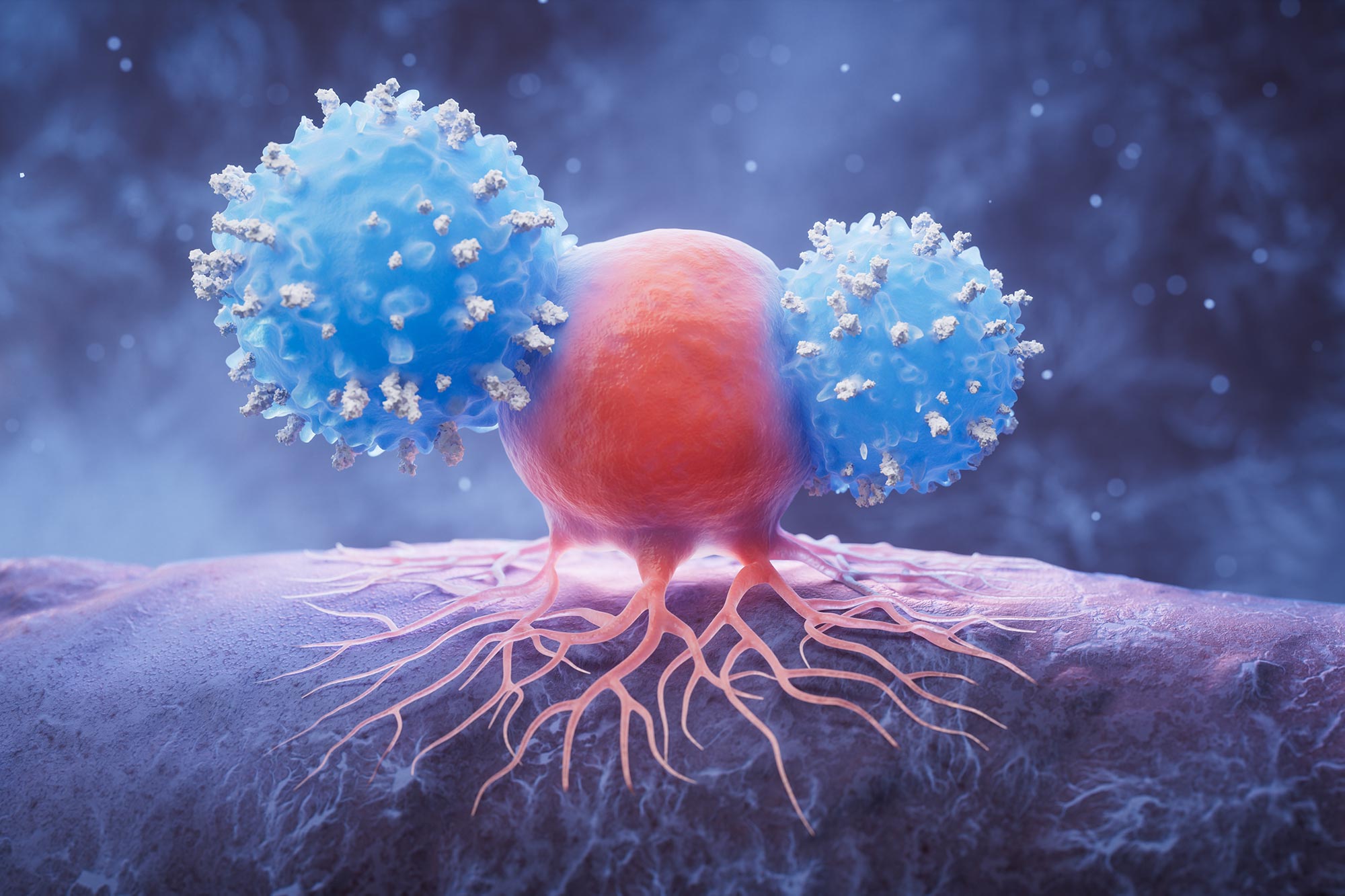
Summary of The Immune Cell Scientists Couldn’t Grow Until Now Could Change Cancer Treatment:
Researchers at the University of British Columbia have developed a method to grow helper T cells from stem cells in a controlled lab environment. This breakthrough could make off-the-shelf immune therapies for cancer and other diseases more effective and accessible. The study highlights the importance of both helper and killer T cells in immune responses, and the team identified a key signaling pathway (Notch) that influences their development. By precisely tuning this pathway, they successfully created mature helper T cells that behave like natural immune cells. This advances the potential for scalable and cost-effective stem cell-based immune therapies.
*****
Summary Bullet Points
- Researchers at the University of British Columbia have developed a method to grow helper T cells from stem cells, potentially transforming cancer treatment.
- This innovative approach addresses key challenges in the scalability and affordability of cell-based therapies.
- Helper T cells, vital for a strong immune response, can now be reliably created alongside killer T cells, enhancing therapy effectiveness.
- The research focuses on manipulating biological signals, specifically the Notch pathway, to guide stem cell differentiation in a controlled manner.
- The breakthrough offers hope for off-the-shelf immune therapies that can be mass-produced and rapidly deployed to patients in need.
The Immune Cell Breakthrough: A New Dawn in Cancer Treatment
In the realm of medical research, groundbreaking discoveries often seem fleeting, but one recent development at the University of British Columbia (UBC) is set to change the landscape of cancer treatment forever. Imagine a world where cancer therapies are as accessible as a bottle of aspirin—ready to go whenever needed. Sounds like a dream, right? Well, thanks to the innovative minds at UBC, this dream is inching closer to reality with their latest findings on helper T cells grown from stem cells.
The Problem: High Costs, Limited Access
For many patients, life-saving therapies remain out of reach—not due to a lack of science, but because of the high costs and lengthy processes involved. Traditional methods of treatment require the collection of a patient’s own immune cells, which are then customized over weeks. This "personalization" makes therapies like CAR-T expensive and not widely accessible. What if we could bypass this lengthy process entirely? What if we could have a stockpile of ready-made immune therapies?
The research team, led by the brilliant Dr. Peter Zandstra, discovered a means to grow these vital immune cells efficiently, addressing one of the most significant challenges in this field. With the potential to create off-the-shelf immune treatments, patients could receive timely therapies, drastically altering their healthcare landscape.
What Are Helper T Cells?
Before diving into the details of this groundbreaking discovery, let’s unpack the star players in this narrative: helper T cells. Often compared to conductors in an orchestra, these cells play a crucial role in orchestrating the immune response. They don’t directly attack pathogens; instead, they activate and coordinate other immune cells, ensuring that the body mounts a robust defense against diseases like cancer. Without helper T cells, the immune system lacks direction and can falter in its fight.
Interestingly, while research has focused on generating killer T cells—which directly target and destroy infected or cancerous cells—reliably producing helper T cells has proven elusive. Up until now, that is.
Breaking Down the Science: The Notch Pathway
The UBC team tackled this challenge head-on by manipulating biological signals during the development of stem cells. Central to their success is the Notch signaling pathway. This pathway is essential in early immune cell development but poses a challenge: if the signal remains active for too long, it hinders the growth of helper T cells.
By precisely controlling the duration and intensity of this signal, the researchers were able to guide stem cells toward becoming either killer or helper T cells. This level of finesse is akin to tuning an instrument to achieve a perfect note—a delicate balance that can yield powerful results.
Dr. Ross Jones, one of the co-first authors, encapsulates their achievement succinctly: “By controlling these signals, we directed stem cells to become either helper or killer T cells.” This is a monumental leap toward viable therapeutic options that can fundamentally alter how we think about cancer treatment.
Laboratory Success: Cells That "Act" Human
It’s one thing to create cells in a lab; it’s another to ensure that these cells function as they would in the human body. The UBC team didn’t just grow helper T cells; they ensured these cells behaved like genuine immune cells. They exhibited full maturity and a variety of immune receptors, critical for diverse immune responses. This level of meticulous validation is paramount for future therapies, ensuring that the products of this research can effectively engage with real-world challenges.
Dual Power: Killer and Helper T Cells Together
The revelation that both helper and killer T cells can now be developed consistently opens up unique avenues for cancer treatment. The science underscores a fundamental truth: both types of cells are integral to a complete immune response. Killer T cells may act as the frontline warriors in combating disease, but without helper T cells guiding these efforts, the battle becomes chaotic. This dual power supply—the ability to generate both cell types—greatly enhances the therapies’ capability to fight cancer and other diseases.
The long-term goal, as highlighted by Dr. Megan Levings, another co-senior author of the study, aims at creating scalable, cost-effective cell therapies. “This would make treatments much more cost-effective and ready when patients need them.” For those grappling with the implications of cancer therapy, this means greater hope for timely intervention.
Clinical Implications: A Future with Hope
As we look forward, the implications are vast and inspiring. The research lays the groundwork for not just new cancer treatments, but also therapies targeting infectious and autoimmune diseases. Imagine having a library of immune responses ready to deploy at a moment’s notice. For patients, this is more than a scientific breakthrough; it’s a beacon of hope.
This efficient process could pave the way for “living drugs” that are mass-manufactured and stored until needed, making them as convenient as any pharmaceutical coped on pharmacy shelves today. The phrase “off-the-shelf therapies” might become household jargon in the coming years, further blurring the lines between science fiction and reality.
Community Involvement: The Ripple Effect
As we explore the potential of this discovery, it is vital to consider its impact beyond laboratory walls. The ripple effects span communities, families, and healthcare systems. With accessible therapies, the burden on healthcare facilities would lighten, allowing them to allocate resources more efficiently. For families grappling with cancer, this could mean decreased financial strain and quicker response times to treatment—real improvements in the quality of life.
The communal aspect of such scientific endeavors showcases another compelling facet of human ingenuity—the capacity for collaboration. The UBC team’s success highlights what happens when dedicated minds come together with a common goal: to conquer one of humanity’s most enduring adversities—disease.
Final Thoughts: A Call to Action
As we reflect on this groundbreaking research, it’s hard not to feel a sense of excitement—a wave of optimism buoyed by the promise of what’s to come. Each step in scientific advancement is a testament to human resilience and creativity.
While the journey from lab discovery to widespread therapy still requires diligence and time, initiatives like this remind us that progress is possible. As we move forward, let this serve as an encouragement to each of us, whether we’re healthcare professionals, aspiring scientists, or individuals affected by these diseases.
Every small step is part of a larger journey—a process of exploration, creativity, and relentless pursuit of solutions. In every challenge lies an opportunity waiting to be seized. As researchers continue to pave the way for a brighter medical future, let us carry their spirit forward, fueled by curiosity, compassion, and the unwavering belief in better days ahead.
The UBC researchers didn’t just create cells; they forged a path to hope, compassion, and healing, igniting an inspiring vision for our shared future. The work of these scientists resonates far beyond the lab, reminding us that the fight against disease can be met with relentless innovation—and ultimately, triumph. As this saga unfolds, may it serve as a motivating reminder to us all that, indeed, brighter tomorrows are crafted today.