Summary of Breakthrough Bone Discovery Could Lead To “Exercise-in-a-Pill” for Osteoporosis:
Researchers at the University of Hong Kong have made a significant breakthrough in understanding how exercise strengthens bones, which could lead to new treatments for osteoporosis, especially for individuals unable to engage in physical activity. They identified the protein Piezo1 as a key “exercise sensor” that translates mechanical movement into signals that promote bone health. Activation of Piezo1 prevents fat accumulation in bone marrow and encourages new bone formation, counteracting age-related bone loss.
This discovery could pave the way for the development of ‘exercise mimetics’—drugs that mimic the benefits of exercise by stimulating the Piezo1 pathway. Such treatments would be especially beneficial for older adults and bedridden patients, helping maintain bone mass and reducing fracture risks. The research emphasizes the potential for pharmacological solutions to aid those who cannot perform physical activities, thereby enhancing their quality of life and independence.
*****
Summary Bullet Points
- Breakthrough Discovery: Researchers identified Piezo1, a protein that acts as the body’s ‘exercise sensor’, crucial for bone strength.
- Impacts of Osteoporosis: Osteoporosis affects millions globally, leading to increased fractures and complications, especially in older adults.
- Mechanism of Action: Understanding how exercise strengthens bones opens doors to potential drug treatments that mimic physical activity.
- Future of Treatment: The potential development of "exercise-in-a-pill" could help those unable to engage in physical activities, maintaining bone health and independence.
- Collaboration and Innovation: The significance of cross-disciplinary research in addressing global health challenges like osteoporosis.
The Fascinating Journey of Bone Health: How a Breakthrough Discovery Could Revolutionize Osteoporosis Treatment
Imagine a world where the benefits of physical exercise are packed tightly into a small pill, offering the same bone-strengthening advantages without any movement required. While this might sound like the premise of science fiction, recent scientific developments have brought us tantalizingly close to that possibility.
The Backbone of Our Bones: Understanding Osteoporosis
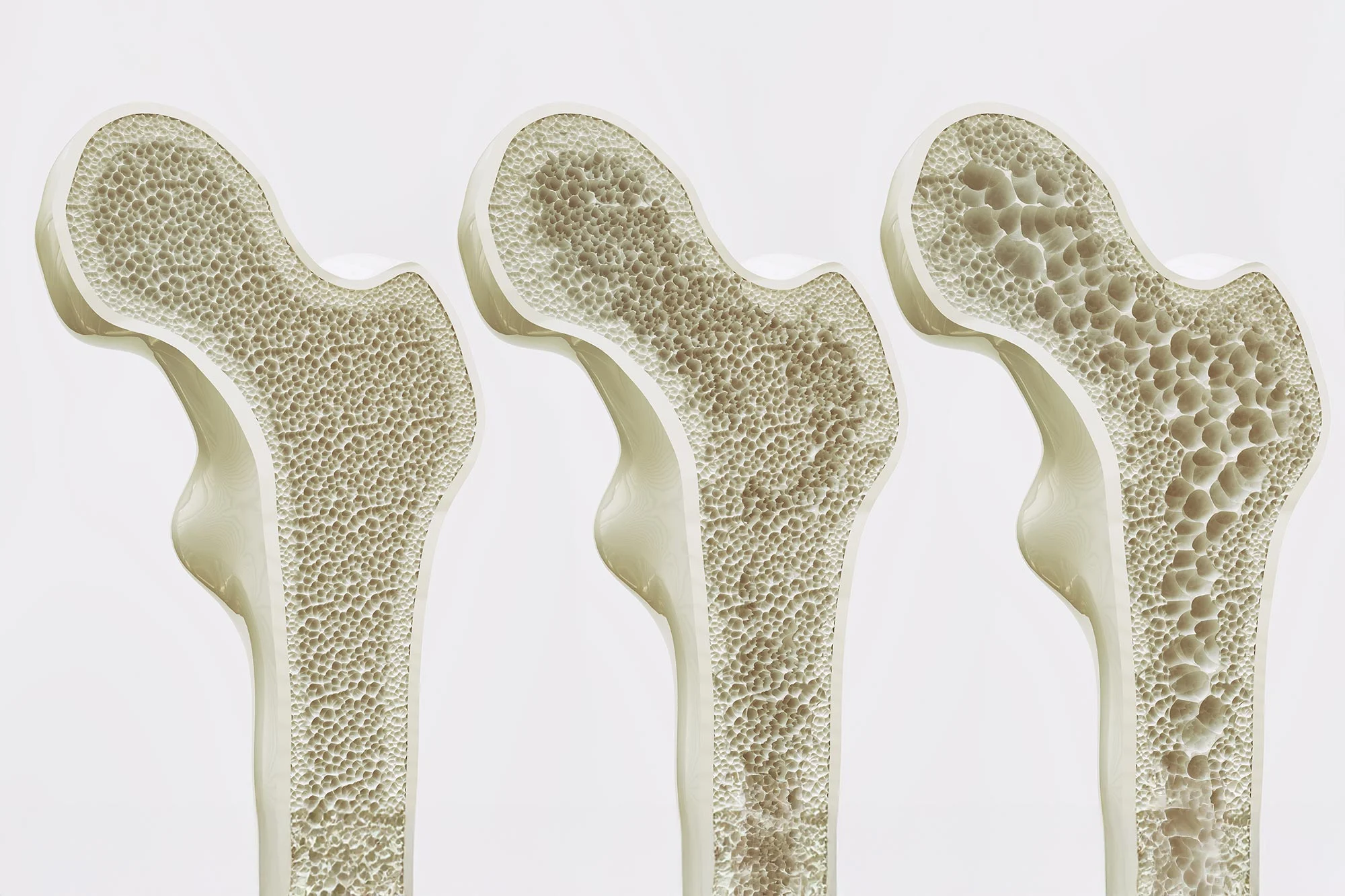
Osteoporosis is a silent thief, stealthily stealing strength from our bones, making them thinner and frailer. In fact, it affects an estimated one in three women and one in five men over the age of 50. The implications are severe; fractures due to osteoporosis can result in chronic pain and disability, stripping individuals of their independence and severely affecting their quality of life. As the global demographic shifts towards an aging population, managing conditions like osteoporosis is more crucial than ever.
Current treatments often rely heavily on physical activity. But what happens to those who cannot exercise, whether due to frailty or chronic illness? This has long been a dilemma for healthcare providers, who need effective treatments for individuals unable to move as freely as others.
The Scientific Marvel: Piezo1 and Its Role
Enter the scientific marvel known as Piezo1, a protein with a profound impact on our musculoskeletal health. Researchers at HKUMed have unlocked a key mechanism in bone health: how exercise translates into stronger bones. By observing mouse models alongside human stem cells, they discovered that Piezo1 acts as an ‘exercise sensor.’
This revolutionary finding illustrates that when we engage in physical activity, our bodies release signals that promote bone formation while combating fat accumulation in the bone marrow—an important dual action given the aging population. The good news? When these pathways are effectively activated, they can decrease fat buildup and promote new bone formation.
From Research Lab to Reality: The Path Forward
The findings were significant enough to warrant publication in the journal Signal Transduction and Targeted Therapy. Professor Xu Aimin, a leader in this research, highlighted the need to decode how movement affects our bones in more detail, paving the way for potential medication that mimics exercise effects.
Imagine a pill that could activate the Piezo1 pathway in your body, convincing your bones that they are doing physical activity. This could preserve bone health for those confined to bed or struggling with movement, ultimately helping them maintain their quality of life.
The Process of Bone Decay: Understanding the Mechanism
As we age, our bones don’t simply grow weaker; they undergo a complex transformation. Within our bone marrow resides a special kind of stem cell, known as mesenchymal stem cells, which have the unique ability to develop into either bone-forming cells or fat cells. Picture this: while we age, these cells become increasingly likely to turn into fat, slowly replacing healthy bone tissue. This transformation can contribute to a downward spiral of bone loss, a facet that current treatments often struggle to reverse.
What the researchers discovered was a fascinating interplay: when Piezo1 is activated through physical activity, it redirects stem cells away from becoming fat cells, facilitating the formation of strong bone instead. Conversely, a lack of Piezo1 doesn’t just halt bone development; it can amplify the fat accumulation and release pro-inflammatory signals that hinder healthy bone development.
Rethinking Therapeutics: Exercise in a Pill
Dr. Wang Baile, another leading figure in this groundbreaking study, emphasizes the implications for individuals who cannot engage in regular exercise due to age or health complications. By chemically activating the Piezo1 pathway through medication, these individuals could experience a halt in bone loss, potentially even improving their situation—a clear beacon of hope for those grappling with osteoporosis.
But what does this mean for traditional therapies? The landscape of treatment could shift dramatically. With the ability to mimic the benefits of exercise pharmacologically, it might become unnecessary to rely solely on physical therapy or any exercise regimen. Individuals confined to their beds could still maintain their bone health.
A Collaborative Approach to Science and Health
It’s also worth noting that this research wasn’t conducted in a vacuum. It represents a collaborative effort across various institutions and fields—including the Health and Medical Research Fund of the Government of the Hong Kong Special Administrative Region and international bodies. This cross-disciplinary approach is crucial in tackling complex healthcare issues like osteoporosis. Each team member contributes unique insights and expertise, creating a robust framework for research that can ultimately lead to actionable treatments.
The Future of Bone Health: Clinical Applications on the Horizon
Now that the mechanisms have been unveiled, the next steps are clear. Researchers are actively working on translating their findings into clinical applications, aiming to finalize therapeutic options that can elevate the standard of care for individuals at risk for fractures due to osteoporosis.
It’s not just about making life easier for those who may never set foot in a gym again; it’s about revolutionizing what it means to care for one’s bone health. The possibility of having a ‘exercise-mimetic’ treatment signifies a seismic shift in the expectations of how we approach health, wellness, and aging.
Staying Grounded in Hope
For those affected by osteoporosis, the implications of this research are nothing short of exhilarating. Imagine a future where the fear of falling isn’t coupled with losing independence, but rather replaced with confidence and resilience. The collaborative spirit of modern science reminds us that hope is never lost, and that solutions are often closer than we think.
In an age where challenges around aging and health can feel overwhelming, advancements like these inspire optimism and creativity in developing new solutions. As the dawn of this ‘exercise-in-a-pill’ possibility emerges, the pathway to stronger bones is not just an academic hypothesis—it’s a glimpse into a healthier, more empowered future.
The potential to reduce fracture risks among vulnerable populations could completely change the narrative of aging, illustrating the power of science to innovate and inspire solutions when they’re needed most. As this research progresses, it serves as a reminder: within the world of science lies the capacity for remarkable change—if only we dare to explore, innovate, and collaborate.
Let this be an inspiring narrative: yours, mine, and anyone looking to strengthen the bonds of their health, paving the way for a future rich in possibility. Whether through movement, innovative treatments, or collaboration, the journey toward healthier bones is only just beginning.