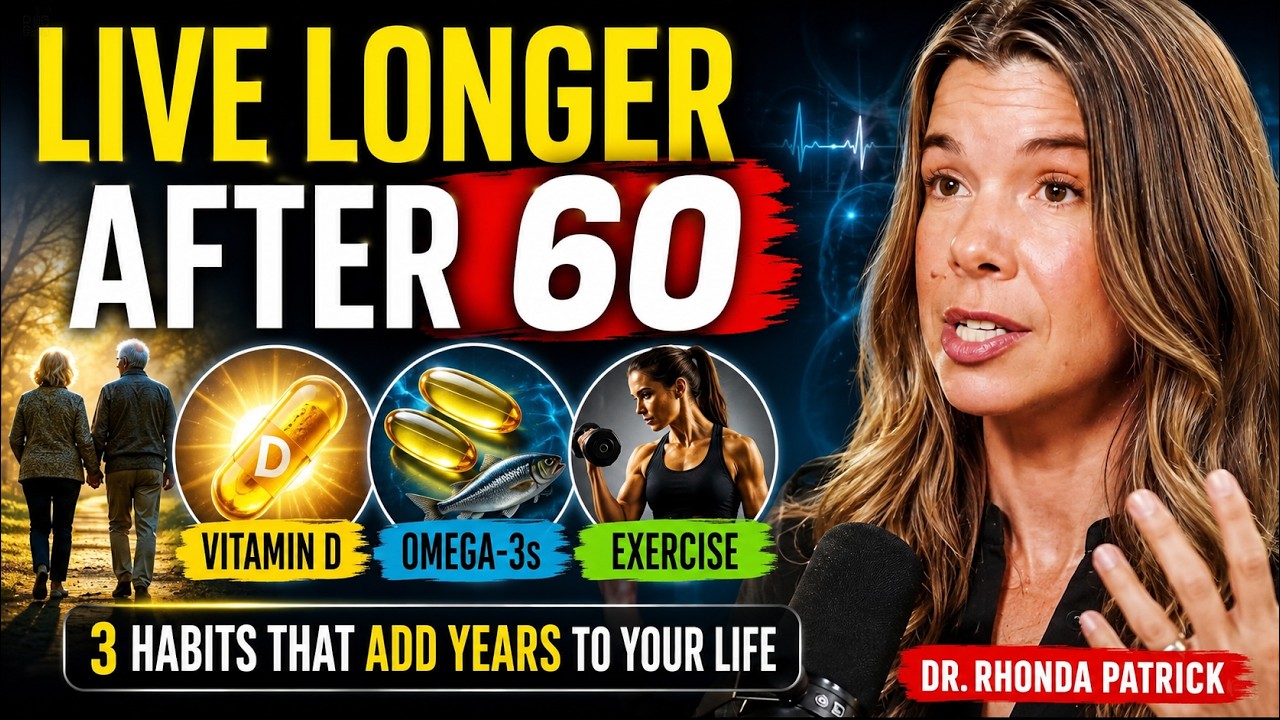
- The role of Vitamin D in health and longevity
- The health benefits of Omega-3 fatty acids
- The impact of exercise on lifespan and well-being
- Intersections between Vitamin D, Omega-3s, and physical activity
- Practical strategies for incorporating these elements into daily life
Vitamin D is often dubbed the “sunshine vitamin” due to its synthesis in the skin upon exposure to sunlight. This vital nutrient plays a crucial role in a multitude of biological processes. It is essential for maintaining bone health, aiding in calcium absorption, and supporting immune function. Furthermore, emerging research suggests that adequate levels of Vitamin D may contribute to increased longevity. Several cohort studies indicate that individuals with higher Vitamin D levels tend to have lower rates of chronic diseases such as cardiovascular disease and certain types of cancer.
Vitamin D’s influence on health extends beyond skeletal development. It appears to exert regulatory effects on cell growth and differentiation, potentially reducing the risk of age-related diseases. Interestingly, Vitamin D also impacts insulin sensitivity, which is critical for metabolic health. A well-managed insulin response can mitigate the onset of type 2 diabetes and other metabolic disorders, thus promoting a longer, healthier life.
Omega-3 fatty acids, primarily found in fatty fish, flaxseeds, and walnuts, are another critical component of a health-focused lifestyle. These polyunsaturated fats have been widely recognized for their cardiovascular benefits. They help in reducing inflammation, lowering triglyceride levels, and managing blood pressure. Research suggests that Omega-3s may also bolster cognitive function and contribute to mental health. In terms of longevity, studies demonstrate that individuals with higher Omega-3 levels often have a lower risk of mortality from various causes.
The anti-inflammatory properties of Omega-3s make them particularly valuable in combating chronic diseases that are more prevalent in aging populations. A reduction in systemic inflammation can enhance the body’s immune response and improve overall health resilience. Like Vitamin D, Omega-3s also influence insulin sensitivity, offering a combined benefit when paired with good dietary practices.
Exercise serves as a cornerstone for longevity. Regular physical activity is not just beneficial for weight management; it contributes significantly to cardiovascular health, muscle strength, and mental well-being. Engaging in aerobic and strength-training exercises can decrease the risk of chronic diseases and foster better immune function. The relationship between exercise and longevity has been well documented, with consistent findings indicating that even modest amounts of physical activity can lead to improved health outcomes.
Being physically active triggers a variety of metabolic responses that are essential for maintaining a healthy body as one ages. It promotes better circulation, enhances muscle mass, and often aids in better mood regulation. Importantly, exercise can also increase the sensitivity of insulin in the body. Improved insulin sensitivity is linked to a decreased risk of type 2 diabetes and other metabolic diseases, further supporting the notion that exercise, when coupled with appropriate nutrition, plays a significant role in prolonging life.
The interaction between Vitamin D, Omega-3s, and exercise is complex and multifaceted. Research indicates that individuals who engage in regular physical activity may require more Vitamin D, as exercise can increase the demand for this nutrient in the body. Additionally, there is a growing body of evidence that dietary Omega-3s may amplify the benefits of exercise. The anti-inflammatory effects of Omega-3s can support recovery from physical exertion, further underpinning a cycle of health benefits that contribute to longevity.
Incorporating Vitamin D, Omega-3 fatty acids, and regular exercise into one’s lifestyle doesn’t have to be complicated. Understanding dietary sources of these nutrients is essential. For Vitamin D, options include fatty fish like salmon, fortified dairy products, and sun exposure. Many experts recommend getting some sun daily when possible but also advise monitoring levels through blood tests to identify deficiencies.
For Omega-3s, fatty fish such as mackerel, sardines, and trout are excellent sources. Plant-based options like flaxseeds, chia seeds, and walnuts can be viable alternatives for those following vegetarian or vegan diets. In terms of supplementation, both Omega-3s and Vitamin D are widely available; however, it is advisable to consult with a healthcare professional before starting any new supplement regimen to assess individual needs and avoid unnecessary intake.
Exercise can be integrated into everyday life seamlessly. Activities such as brisk walking, cycling, or any enjoyable physical activity can contribute to meeting exercise recommendations. Strength training, even using bodyweight exercises, can strengthen muscles and boost metabolism. Aiming for a combination of aerobic and resistance exercises yields the best outcomes for longevity.
Establishing a diet rich in Vitamin D and Omega-3s, alongside a well-rounded exercise routine, can contribute significantly to overall health and longevity. This triad of health-promoting factors interacts to enhance overall well-being, reduce the risk of chronic illness, and improve quality of life as one ages. The integration of these components is not just about prolonging life but about fostering a lifestyle that prioritizes health, vitality, and emotional well-being.
Educational efforts can play a role in increasing awareness about the importance of these nutrients and exercise in everyday life. Community programs, schools, and healthcare professionals should actively promote health literacy, providing insights into how Vitamin D, Omega-3 fatty acids, and exercise work in concert to create a robust defense against the aging process.
As the body ages, understanding the significance of these factors becomes increasingly paramount. Regular check-ups that include monitoring levels of Vitamin D and incorporating Omega-3-rich foods can serve as preventive measures against age-related diseases.
The potential of Vitamin D, Omega-3s, and exercise to enhance longevity is backed by an evolving landscape of research. Many studies celebrate their individual benefits, while a growing awareness of how they interplay offers an exciting avenue to explore for public health strategies. Increased focus on lifestyle modification can shift the paradigm from disease management to health promotion, aligning with broader goals of longevity.
In sum, the integrated approach to health that incorporates Vitamin D, Omega-3s, and regular exercise stands as a testament to proactive health management. By embracing these elements, individuals can contribute to their longevity, cultivate resilience against chronic diseases, and ultimately enjoy a higher quality of life as they age.
*****
Source Description
What if three simple habits could help you stay stronger, healthier, and more independent as you age?
In this video, Dr. Rhonda Patrick explores the science behind Vitamin D, Omega-3 fatty acids, and exercise—and why researchers believe this powerful combination may help support healthy aging, muscle strength, brain function, heart health, and longevity.
You’ll discover:
✓ Why Vitamin D affects far more than bone health
✓ How Omega-3s help combat chronic inflammation
✓ The surprising connection between muscle mass and lifespan
✓ Why exercise acts like a powerful anti-aging signal
✓ The latest research on combining Vitamin D, Omega-3s, and exercise
✓ Practical strategies seniors can use immediately
Whether you’re over 60 or simply want to optimize your future health, this evidence-based guide will help you understand the science of healthy aging and longevity.
Watch until the end for actionable tips you can start using today.
If you enjoy science-based health content, be sure to Like, Subscribe, and turn on Notifications for more videos on longevity, nutrition, exercise, metabolic health, and healthy aging.
TIMESTAMPS
00:00 🔥 Introduction: The Hidden Keys to Healthy Aging
01:52 🧬 Why Aging Isn’t Just About Getting Older
04:28 ☀️ Vitamin D: More Than Bone Health
07:15 💪 Vitamin D and Muscle Strength
09:34 🛡️ Vitamin D, Immunity & Longevity
11:42 🐟 Omega-3s and Chronic Inflammation
14:08 🧠 Omega-3s for Brain Health
16:05 ❤️ Omega-3s and Heart Protection
18:14 🏃 Exercise: The Ultimate Longevity Tool
20:37 💥 Why Exercise Changes Your Biology
22:11 🤝 The Powerful Combination Effect
23:54 💪 Preserving Muscle After 60
24:56 📋 Daily Longevity Protocol
25:40 🎯 Final Takeaways for Healthy Aging
26:01 ✅ Conclusion
KEYWORDS
vitamin d for seniors, omega 3 benefits, healthy aging, longevity tips, dr rhonda patrick, anti aging habits, muscle health after 60, exercise and longevity, healthy aging science, omega 3 for brain health, vitamin d benefits, senior health tips, longevity research, inflammation and aging, healthy lifestyle for seniors, exercise after 60, muscle preservation, healthy lifespan, aging well naturally, longevity supplements
HASHTAGS
#DrRhondaPatrick #Longevity #HealthyAging #VitaminD #Omega3 #Exercise #SeniorHealth #AntiAging #Healthspan #LongevityTips #HealthyLifestyle #BrainHealth #HeartHealth #MuscleHealth #Inflammation #NutritionScience #HealthyLiving #AgingWell #FitnessAfter60 #Wellness
DISCLAIMER
This video is for educational and informational purposes only and is not intended as medical advice. The information presented should not be used as a substitute for professional medical diagnosis, treatment, or guidance. Always consult your physician or qualified healthcare provider before making changes to your diet, exercise routine, supplements, or medications. Individual health needs vary, and what works for one person may not be appropriate for another.
