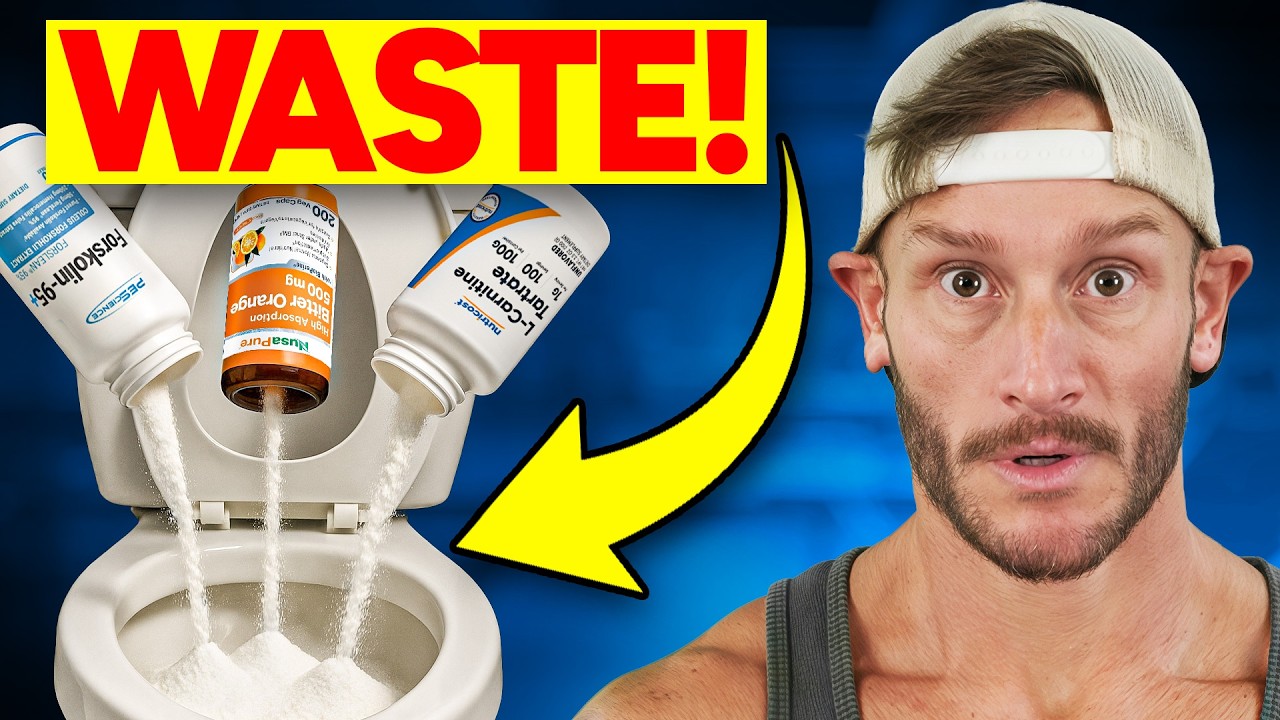
- The risks and inefficacies of certain supplements marketed for weight loss.
- Understanding the complex relationship between diet, metabolism, and insulin sensitivity.
- The importance of scientific backing in nutritional supplements.
- Misleading marketing tactics of fat-loss supplements.
- Alternative and healthier strategies for sustainable weight loss.
In the realm of dietary supplements, those claiming to aid in fat loss are particularly appealing to many seeking quick results. However, the use of such products can be fraught with potential risks and inefficacies. Understanding the complex relationship between diet, metabolism, and insulin sensitivity provides crucial insights into why these supplements may not be the silver bullet they promise to be.
The risks and inefficacies of certain supplements marketed for weight loss can be formidable. Many products contain ingredients that may not deliver the desired effects and could even lead to adverse health consequences. Stimulant-based supplements, like those containing high levels of caffeine or synephrine, often promise increased metabolism and fat burning. However, excessive consumption of these substances may result in heightened heart rate, elevated blood pressure, and other cardiovascular issues. Such risks outweigh any potential benefits, especially since any weight loss achieved is frequently unsustainable.
A recurring issue with many fat-loss supplements is the absence of scientific evidence supporting their effectiveness. Claims made by these products are seldom backed by rigorous clinical trials, leaving consumers reliant on anecdotal evidence or misleading advertising. For instance, supplements based on exotic herbs or compounds like garcinia cambogia often tout dramatic weight-loss effects. Yet, the research supporting these claims is often limited, flawed, or influenced by conflicts of interest.
Understanding the complex relationship between diet, metabolism, and insulin sensitivity is critical when assessing the efficacy of weight-loss supplements. Metabolism is influenced by a myriad of factors, including genetic predisposition, lifestyle choices, and overall health. Insulin sensitivity, a key player in metabolism, affects how efficiently the body utilizes glucose. A decrease in insulin sensitivity, known as insulin resistance, is linked to weight gain and increased fat storage. Therefore, targeting insulin sensitivity through lifestyle changes like improved diet and regular exercise can be more effective than relying on unproven supplements.
The importance of scientific backing in nutritional supplements cannot be overstated. Relying on products with dubious claims and sketchy evidence can not only lead to financial loss but also impact health negatively. Consumers should prioritize supplements that are backed by scientific research, clearly demonstrating safety and efficacy. Trusted sources of information, such as peer-reviewed journals and recommendations from healthcare professionals, should guide decisions regarding any nutritional supplement.
Misleading marketing tactics of fat-loss supplements often prey on the insecurities of individuals struggling with weight. Many products claim to offer quick fixes or revolutionary breakthroughs without changing lifestyle or diet. These tactics can be particularly seductive, promising transformation with minimal effort. However, understanding the body’s physiological processes reveals that such claims are unrealistically simplistic. Sustainable weight loss usually requires a holistic approach, involving dietary modifications and increased physical activity.
Alternative and healthier strategies for sustainable weight loss are paramount. These involve basic principles: maintaining a nutritious diet rich in whole foods, engaging in regular exercise, and fostering a healthy relationship with food. Mindful eating, proper sleep, stress management, and staying hydrated are also key components. These approaches not only aid in weight management but also improve overall health and well-being. Unlike supplements, these methods enhance metabolic health, boost insulin sensitivity, and provide long-term results.
Incorporating various strategies into daily life can prove much more effective than seeking quick fixes with fat-loss supplements. Educational efforts should focus on making informed choices, emphasizing the importance of scientific research, and recognizing the risks associated with unverified products. Empowering individuals with knowledge helps them resist the allure of flashy marketing and instead focus on proven, healthy practices.
*****
Source Description
25% off Bon Charge’s Red Light Blanket with Code TDL25 here: https://boncharge.com/products/red-light-therapy-blanket?rfsn=7851907.a274fe5
This video does contain a paid partnership with a brand that helps to support this channel. It is because of brands like this that we are able to provide the content that we do for free.
Click HERE to Subscribe: https://www.youtube.com/c/ThomasDeLauerOfficial?sub_confirmation=1
Please check out the new Shorts channel, DeLauer Clips and Workouts, here: https://www.youtube.com/channel/UCQPQImPsw74KhO0Zy2-leyA/videos
Please Subscribe to my Email Newsletter Here: https://www.thomasdelauer.com/life-optimization-tactics/
Follow More of My Daily Life on Instagram: http://www.Instagram.com/ThomasDeLauer
References
https://www.ncbi.nlm.nih.gov/pmc/articles/PMC4663611/
https://www.ncbi.nlm.nih.gov/pmc/articles/PMC6521622/
https://www.ncbi.nlm.nih.gov/pmc/articles/PMC7433292/
https://onlinelibrary.wiley.com/doi/10.1111/obr.12026
https://www.ncbi.nlm.nih.gov/pmc/articles/PMC3444973/
https://www.sciencedirect.com/science/article/pii/S240545772030053X
Timestamps ⏱
0:00 – Intro
0:13 – 25% off Bon Charge’s Red Light Blanket
1:16 – Forskolin for Fat Loss
2:57 – Chromium for Glucose Control
5:17 – Bitter Orange Extract
6:41 – Carnitine
8:08 – What About Creatine?