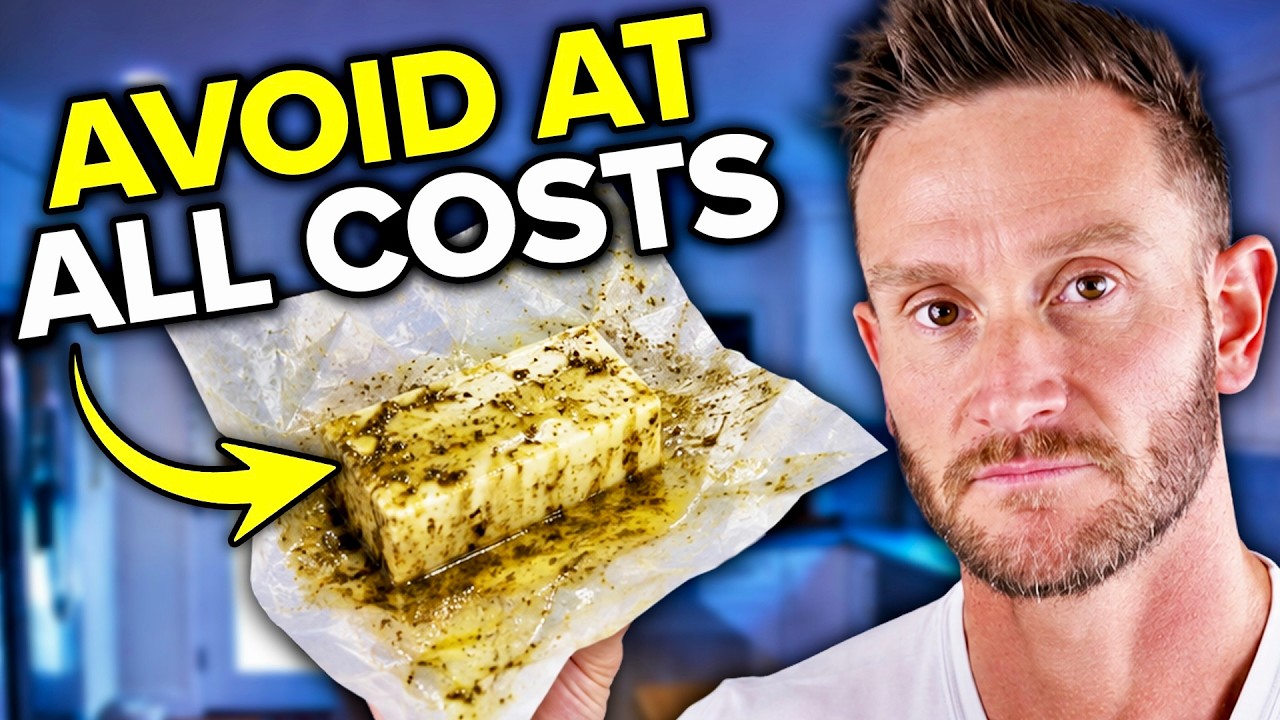
- The health implications of common butter brands
- The impact of ingredients on metabolic health
- Analyzing the worst butter brands to avoid
- Identifying better alternatives to conventional butter
- Tips for making healthier choices in dairy products
Butter has been a staple in many kitchens for generations. However, when considering the effects of various brands on health, particularly concerning metabolic diseases and insulin sensitivity, it’s important to make informed decisions. Consumers often underestimate the significance of ingredient quality and sourcing methods. This article will outline brands that should be avoided and will provide useful insights that will empower better choices.
The health implications of commonly used butter brands should be understood, especially considering the rampant rise in metabolic conditions such as obesity, type 2 diabetes, and heart disease. Many people still assume that butter is simply an acceptable source of fats without examining the additives and processing methods used. The unfortunate reality is that some butter brands contain unhealthy trans fats, artificial flavorings, and preservatives that can disrupt metabolic functions and contribute to insulin resistance.
To illustrate this, many popular butter brands source their dairy from cows that are not grass-fed. Conventionally raised cows often consume a diet high in grains and soy, which can influence the fatty acid composition of the butter they produce. Grass-fed butter tends to be richer in beneficial omega-3 fatty acids and conjugated linoleic acid (CLA). Regularly consuming butter made from grain-fed cows may contribute to an imbalance in omega-6 to omega-3 ratios, potentially influencing inflammation and metabolism.
Analyzing the worst butter brands to avoid can give consumers valuable insight. Here are six brands that often fail to meet higher health standards:
-
Land O’ Lakes: While this brand is widely recognized, it often contains artificial flavors and colorings that don’t belong in a wholesome product. Consumers aiming for healthier options should think twice before choosing this butter.
-
Kerrygold: Despite its perception as a premium brand, not all Kerrygold products are grass-fed. Dietary changes in cows can affect the final product, so examining specific varieties becomes crucial.
-
Margarine Brands: Many margarine products are processed to mimic butter in taste and texture, yet they often contain partially hydrogenated oils. These oils can introduce trans fats into the diet, posing serious health risks such as cardiovascular disease.
-
Blue Bonnet: Many grocery stores carry this brand as a more budget-friendly option. However, ingredients often include high levels of saturated fats from poor quality sources, which may not support metabolic health.
-
I Can’t Believe It’s Not Butter: This is a classic example of a product attempting to forgo traditional butter for a butter alternative. It generally contains numerous additives that can interfere with metabolic health.
- Smart Balance: Marketed as a healthier alternative, it often includes vegetable oils that may disrupt omega-3 fatty acid absorption. Knowledgeable consumers should consider these implications before purchasing.
The above brands frequently fail to meet essential health requirements. Examining ingredient lists for trans fats, artificial additives, and low-quality components should be a practice everyone adopts. Additionally, the processing methods matter. High-heat processing can strip many of the beneficial nutrients found in whole butter, decreasing its overall health value.
Identifying better alternatives to conventional butter is indispensable for those who wish to support their metabolic health and insulin sensitivity. Look for brands that emphasize purity and sourcing. Butter made from grass-fed cows typically has superior nutritional profiles, containing more vitamins A, D, E, and K, which are crucial for various bodily functions.
Ghee, a clarified form of butter, is another excellent alternative. It is lactose-free and contains short-chain fatty acids beneficial for digestive health. MCT oil, derived from coconut, is also a fantastic substitute that provides rapid metabolic energy without significant impacts on blood sugar levels.
Tips for making healthier choices in dairy products include several actions consumers can take. Always read nutrition labels carefully to identify what ingredients are included. Seek out local dairies that prioritize animal welfare and sustainable farming practices. This not only supports community efforts but can also ensure better quality. Opting for organic brands is another approach. Organic butter typically avoids synthetic pesticides and fertilizers, ensuring a cleaner product overall.
Incorporating a mix of healthy fats into the diet can further enhance metabolic function. The Mediterranean diet emphasizes a broad range of healthy fats while minimizing processed foods high in unhealthy fats. Engaging with high-quality oils, like extra virgin olive oil, nuts, and seeds, can provide beneficial compounds that work to support metabolic health.
The discussions surrounding butter brands often lead to questions about why specific fats can be healthy or harmful. The transformation of dietary fat science over the years has highlighted the need to focus on fat sources rather than simply labeling them as healthy or unhealthy. Fats provide essential energy and support cellular functions, yet the balance of these fats influences metabolic health significantly.
Furthermore, it is crucial to recognize that not all saturated fats bear the same risks. Emerging research suggests that the food matrix—what foods are consumed together—can influence cardiovascular health more than previously thought. This is why understanding dietary context is vital.
Emphasizing education about these products can lead to healthier culinary choices and lifestyles. With obesity and metabolic syndrome on the rise, now is the time to evaluate your dietary habits critically. The rise of health awareness offers an opportunity to reshape how individuals view traditional foods like butter.
Choosing healthier butter options isn’t just about eliminating specific brands; it’s an entire approach to dietary fat. It’s essential to shift focus towards products that prioritize health and well-being. As consumers become more aware of the subtle intricacies in food production and its effect on health, they gain the ability to make informed choices.
Dietary empowerment comes from understanding the nutritional implications of consumed foods. In the case of butter, making conscious swaps can profoundly impact overall health, particularly concerning metabolic disease and insulin sensitivity. Reliable butter products are available, but not all products on the shelves are equal. By arming oneself with knowledge and critical thinking, consumers can navigate the overwhelming options available in grocery stores.
Investment in long-term health should be a priority, and selecting quality dairy products can be a meaningful step toward achieving that goal. Understanding which butter brands to avoid and focusing on better alternatives may serve as a practical first step in improving dietary choices and, ultimately, overall health.
*****
Source Description
Use Code THOMAS25 for 25% off Your First Order of SEED: http://seed.com/thomasyt
This video does contain a paid partnership with a brand that helps to support this channel. It is because of brands like this that we are able to provide the content that we do for free.
Click HERE to Subscribe: https://www.youtube.com/c/ThomasDeLauerOfficial?sub_confirmation=1
Check out TDL Clips for the best moments from the Thomas DeLauer Podcast: https://www.youtube.com/@TDLclips
Please Subscribe to my Email Newsletter Here: https://www.thomasdelauer.com/life-optimization-tactics/
Follow More of My Daily Life on Instagram: http://www.Instagram.com/ThomasDeLauer
Reference
https://pubmed.ncbi.nlm.nih.gov/37673430/
Timestamps ⏱
0:00 – Intro
1:58 – How to Read a Butter Label (4 Rules)
3:34 – 25% off Your First Order of SEED
4:39 – #6: Tillamook Unsalted Butter
5:56 – #5: Earth Balance Original Buttery Spread
7:35 – #4: Country Crock Original Spread
9:01 – #3: Smart Balance Olive Oil Spread
10:28 – #2: Brummel & Brown’s Buttery Spread
12:06 – #1: I Can’t Believe It’s Not Butter
13:49 – What to Buy Instead
15:15 – Butter vs Seed Oils