Summary of Scientists Revive an Ancient Human Gene That Could Help Cure Gout:
Researchers at Georgia State University have used CRISPR gene-editing to revive an ancient enzyme, uricase, which humans lost millions of years ago. This enzyme helps break down uric acid, the buildup of which causes gout and other health issues. The study, published in Scientific Reports, shows that restoring the enzyme in liver cells significantly reduced uric acid levels and prevented fat accumulation. This research not only has implications for treating gout but may also address related conditions like hypertension and cardiovascular disease, as high uric acid levels are linked to these ailments. Future steps involve animal studies and potential human trials, though ethical and safety concerns regarding gene editing remain.
*****
Summary Bullet Points
- Researchers at Georgia State University have used CRISPR technology to revive an ancient human gene responsible for producing an enzyme that can lower uric acid levels, providing a potential treatment for gout.
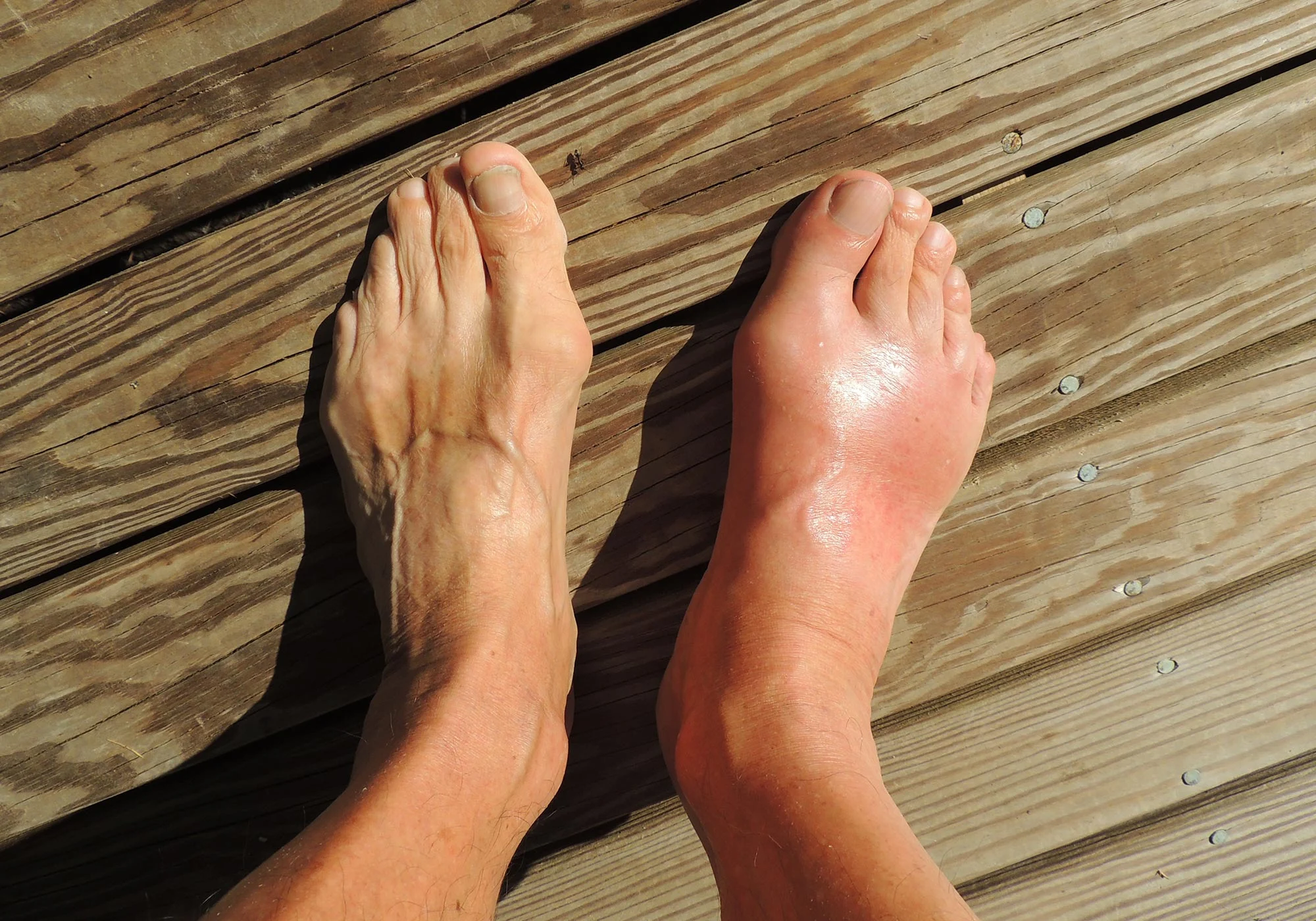
- Gout, an agonizing form of arthritis, results from uric acid crystallizing in joints, causing swelling and pain.
- The lost enzyme, uricase, breaks down uric acid, which humans and apes lost millions of years ago—once thought to be an evolutionary advantage.
- The new findings could also impact broader health issues related to high uric acid, such as hypertension and cardiovascular disease.
- Future steps include animal studies and potential human trials, with a focus on safe delivery methods.
The Revival of an Ancient Gene: A New Hope for Gout Sufferers
Imagine for a moment that you could tap into a genetic reservoir from millions of years ago—a reservoir that holds secrets to overcoming some of today’s most tormenting ailments. This is not science fiction but rather an intriguing reality coming to light in the research conducted by scientists at Georgia State University. Their groundbreaking work involves using CRISPR gene-editing technology to awaken an ancient human gene that could pave the way for a revolution in how we treat gout and other related conditions.
The Age-Old Struggle with Gout
Historically, gout has been no stranger to humanity. It’s a condition that dates back to ancient Roman times—afflicting the likes of Kings and commoners alike. Characterized by the accumulation of sharp crystals formed from uric acid in the joints, gout usually rears its head with excruciating pain. The symptoms typically compel individuals to seek relief through medications and dietary changes.
However, as modern medicine continues to evolve, researchers are unearthing more innovative ways to tackle this age-old affliction. Imagine a life free of painful flare-ups. What if the key to this liberation lay buried in our genetic past?
The Genetic Gift That Was Lost
In their pursuit of understanding gout, scientists have turned their attention to the enzyme uricase. Curious to consider how humans lost the gene responsible for producing this enzyme? About 20 to 29 million years ago, humans and other apes lost this genetic gem. This loss, interestingly, was not without a purpose—at least, evolutionary biologists suggest so. It has been posited that higher uric acid levels may have granted our ancestors an edge, allowing them to convert fruit sugars into fats and survive times of scarcity. This remarkable twist of fate, however, has left modern humans grappling with a host of health dilemmas.
As the research team at Georgia State, led by biology professor Eric Gaucher, discovered, we can challenge what was once a setback. “Without uricase, humans are left vulnerable,” Gaucher remarked, articulating the core motivation behind their ambitious research.
Enter CRISPR: The Molecular Scissors
Have you ever heard of CRISPR? It’s often referred to as “molecular scissors.” This powerful tool allows scientists to edit genes precisely, cutting out undesired segments and replacing them with newly reconstructed ones. There’s something foolproof in its elegance—CRISPR has become the cornerstone of many advanced biotechnological innovations.
In the lab, the team’s goal was audacious. They wanted to insert a reconstructed version of the ancient uricase gene into human liver cells to observe its effects. The results were nothing short of spectacular. Uric acid levels plummeted, and the dreaded fructose-driven fat accumulation was halted. Imagine standing on the brink of scientific breakthrough while envisioning a future where gout becomes a mere footnote in history!
Taking It a Step Further
You might wonder, what happens beyond isolated cells? The researchers didn’t stop there. They pushed the envelope by moving from simple liver cells to sophisticated 3D liver spheroids—miniature, lab-grown tissues designed to mimic the human organ’s behavior. Guess what? The revived uricase gene maintained its efficacy, managing to lower uric acid even in these more complex conditions.
But wait, there’s more! These remarkable spheroids allowed the researchers to witness the enzyme making its way to the peroxisomes—those microscopic compartments where uricase gets to do its vital work. This foundational finding is pivotal. It suggests that such a therapy could function effectively and safely in human living systems, not just isolated cells.
Beyond Gout: A Broader Impact
So, where does this journey lead us? The implications of lowering uric acid levels extend far beyond mere gout alleviation. High uric acid, colloquially known as hyperuricemia, has been linked to various modern health issues. The list includes hypertension and even cardiovascular disease. Imagine the therapeutic potential: “By lowering uric acid, we could potentially prevent multiple diseases at once,” Gaucher noted.
Consider this: studies have shown that up to half of patients with high blood pressure also present elevated uric acid levels. In newly diagnosed hypertension cases, this overlap soars to an astonishing 90%. Understanding the relationship between uric acid and other health issues might unearth new strategies for addressing systemic health.
As intriguing as the concept sounds, the real-world consequences grip you by the shoulders. You could look forward to a life where not just gout, but an entire suite of disorders, could become manageable or even preventable through this innovative gene-editing endeavor.
The Road Ahead
But let’s be real—every bright horizon has its shadows. While the future looks promising, the journey isn’t without hurdles. Current gout treatments sometimes fall short for many patients, with some reacting unfavorable to lab-made uricase therapies. This is where a CRISPR-based solution holds promise; it could sidestep those complications by reinstating uricase directly within liver cells.
As we look forward, animal studies stand on the immediate horizon. Following that, human trials beckon, offering both excitement and trepidation. What might these trials entail? Researchers are considering several delivery methods. From direct injections to returning modified liver cells to patients and using lipid nanoparticles—technology already in play with some COVID-19 vaccines—the possibilities are tantalizing.
Ethical Considerations: A Double-Edged Sword
However, we must tread carefully. Gaucher himself cautioned against overlooking substantial safety concerns associated with gene editing. Once these hurdles are overcome, we will be faced with other, equally important discussions—ethical considerations. Who qualifies for access to these futuristic treatments, and how do we regulate them?
Such questions remind us that scientific advancement must go hand-in-hand with ethical considerations. It is a collective responsibility to navigate this new landscape thoughtfully, ensuring that breakthroughs in gene editing serve humanity rather than threaten its integrity.
A New Dawn for Health
In conclusion, as we stand on this thrilling cusp of discovery, let’s embrace the awe-inspiring potential of genetic research. The unearthing of an ancient gene holds not just the promise of alleviating gout but could also redefine our understanding of metabolic disorders en masse. Imagine—living a life unburdened by pain, where modern medicine can cherry-pick from our evolutionary past to create a healthier, happier future.
The journey is just beginning, but the destination glimmers with possibilities. Whether you’re a simple admirer of science or someone directly affected by these conditions, consider that you are part of this pivotal moment. Together, we’re moving toward a future where human resilience meets scientific ingenuity, offering hope that even the most formidable barriers can be overcome.
Ultimately, this endeavor speaks not just to our courage as individuals but also to the strength of the human spirit. We have the power to face our limitations and, through bold exploration, subvert them. As the research progresses and we digest these findings, let’s remain vigilant, engaged, and hopeful. The future promises not just survival but a flourishing existence enriched by shared discoveries and newfound wellness. Remember, change is often one revelation away.