Summary of AI Now Decodes Your Sweat to Spot Early Signs of Disease:
Researchers are exploring the potential of sweat as a diagnostic tool for real-time health monitoring. A recent study published in the Journal of Pharmaceutical Analysis reveals that sweat contains valuable biological signals that, when combined with artificial intelligence and advanced sensor technology, could track hormone levels, medication monitoring, and early disease detection, including conditions like diabetes and Alzheimer’s.
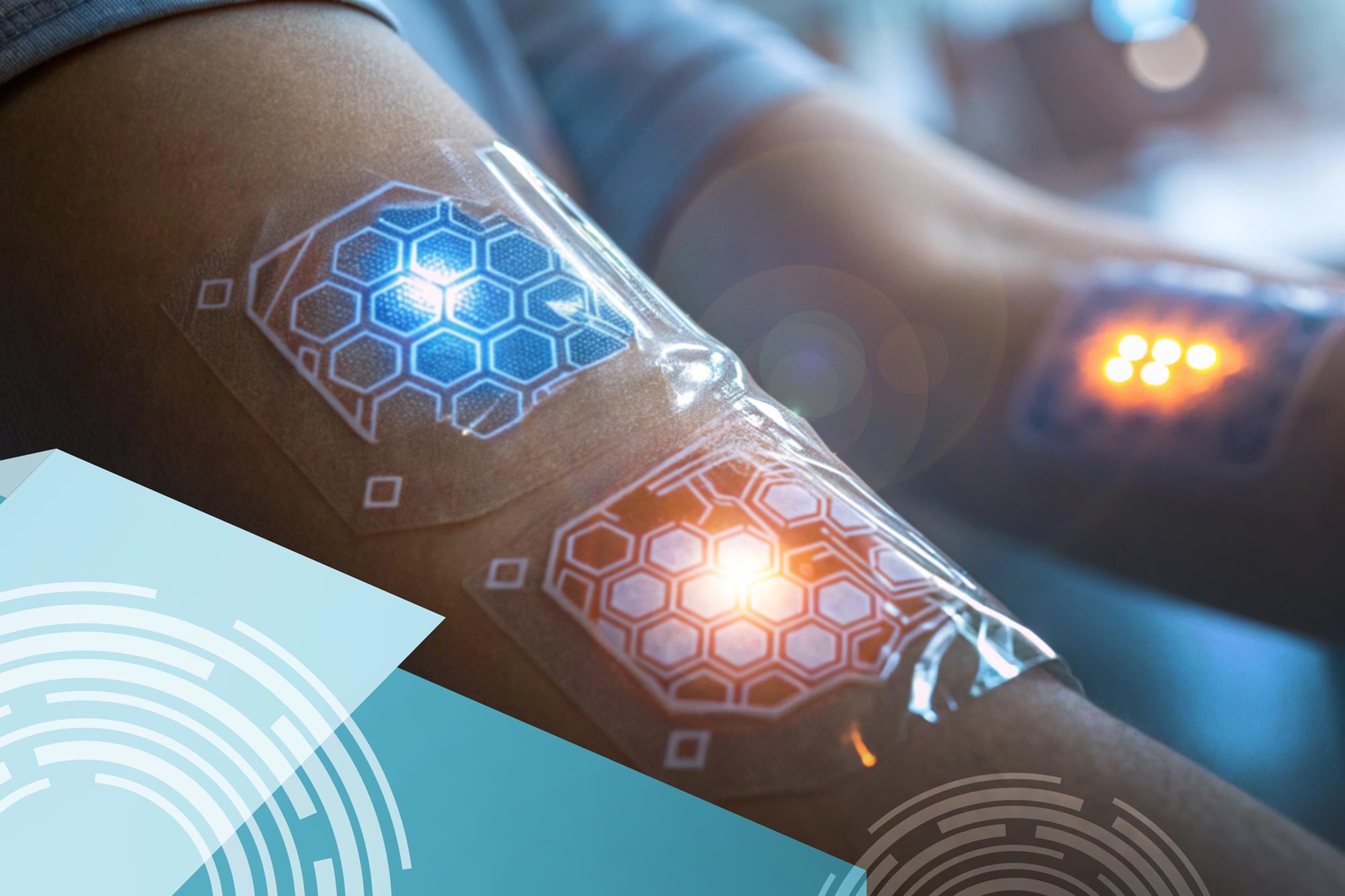
Sweat collection is non-invasive and simple, making it a practical alternative to blood tests. Current wearable devices, such as the Gatorade sweat patch, already analyze sweat for hydration needs, but new developments are on the horizon. Advanced microfluidic and wireless technologies are enabling the creation of skin-adhering patches capable of continuous sweat collection.
Artificial intelligence plays a crucial role by processing the data collected to provide personalized health information and detect physiological changes. The potential applications extend to athletes and diabetic patients, promising a future where wearable technology can indicate stress levels and chronic health risks.
Commercial interest is increasing, and as research advances, these wearable devices could revolutionize preventive healthcare.
*****
Summary Bullet Points
- Innovative Diagnostic Tool: AI technology is transforming sweat into a robust biofluid for real-time health monitoring, identifying early signs of diseases like diabetes and Parkinson’s.
- Non-invasive Health Tracking: Sweat collection offers a painless alternative to traditional blood tests, making health monitoring accessible and user-friendly.
- Wearable Tech Advances: Development of flexible, lightweight sensors capable of continuously collecting sweat data heralds a new era in personalized healthcare.
- AI-Driven Insights: These advancements enable precise pattern recognition in biological signals, leading to tailored health recommendations and risk assessments.
- Future of Preventive Care: Emphasis on using sweat analysis supports a proactive approach to health care, opening opportunities for improved wellness management.
The Fascinating Future of Sweat: How AI is Decoding the Body’s Secrets
Picture this: you’re at the gym, finished with your last round of weightlifting. Instead of checking your pulse or heart rate, you simply pull up the health app connected to a smart patch on your arm that decodes your very sweat. It tells you not only how much water you lost during that strenuous session but also if your electrolyte levels are dipping or if your stress hormones are elevated. Radical? Absolutely. But this is the intriguing future of health monitoring thanks to cutting-edge research combining artificial intelligence with sweat analysis.
The Biofluid Bursting with Potential
You might not think much of your body’s natural perspiration, but it turns out that sweat is a reservoir teeming with biological insights. Researchers have stepped into a compelling domain where this fluid serves as a diagnostic biofluid — one that holds the potential to revolutionize healthcare. A recent study published in the Journal of Pharmaceutical Analysis suggests that monitoring sweat could track changes in our hormones, medication levels, and detect early signs of chronic conditions like diabetes, cancer, and Alzheimer’s.
Imagine a world where a simple patch on your arm collects sweat effortlessly, relaying critical health data in real time. Dr. Dayanne Bordin, an analytical chemist from the University of Technology Sydney (UTS), eloquently notes, “Collecting sweat is painless, simple and non-invasive.” Such words signal a paradigm shift in how we monitor our health, emphasizing convenience and accessibility.
The Emergence of Wearable Technology
We live in an age where personal technology is not just something we wear but something that can profoundly modify our lifestyle. With the rise of wearables akin to smartwatches or fitness trackers, we now have access to a treasure trove of health information right at our fingertips. Consider existing devices like the Gatorade sweat patch: a single-use sticker that helps you analyze sweat rate and electrolyte loss. These innovations serve as precursors to what more sophisticated sensors could offer.
The push for continuous monitoring is palpable. Rapid advancements in microfluidics, flexible electronics, and wireless communication technology are birthing a new class of lightweight, skin-adhering patches. These patches promise to continuously collect sweat, paving the way for deeper insights that were once thought unattainable.
AI: The Brains Behind the Operation
One of the most exciting aspects of this technological renaissance is the role artificial intelligence plays in interpreting sweat data. The potential for AI to process vast datasets helps us link specific metabolites found in sweat to distinct physiological states. This means we won’t just be looking at vague indicators but honing in on precise biomarkers that could change the way we understand our health.
In a world where athletes push their physical limits, real-time analysis of sweat may one day track electrolyte depletion during rigorous workouts. But it doesn’t end there. For individuals managing diabetes, the potential for sweat monitoring to replace traditional blood tests opens a new frontier where glucose levels can be tracked painlessly.
The Consequences of Early Detection
The implications of AI-powered diagnostics extend beyond convenience; they could be life-saving. Limiting the need for invasive procedures carries a double-edged sword: it removes the barriers that often prevent individuals from seeking health assessments. Dr. Janice McCauley, also from UTS, boldly declares, “Sweat is an underused diagnostic fluid.” A wealth of information lies uncharted, waiting for technological advancements to unlock its potential.
Imagine being able to assess hormone levels continuously in a stress-prone world. This not only aids preventive health care but also shifts the narrative. Instead of reacting after a health scare, one can proactively approach wellness, capturing the power of now. Seamless integration of low-power devices capable of securely transmitting sweat analysis results can empower users to take ownership of their health.
The Road Ahead: What Lies in the Pipeline?
As researchers delve into understanding the intricate physiological aspects of sweat, they are also focusing on developing microfluidic devices sensitive enough to detect minute biomarkers like glucose or cortisol. Yet much of this research is still in its infancy, residing primarily in prototype stages.
Commercial interest, however, is burgeoning. Expect to see market adoption in the near future, with wearable technology gradually evolving to meet the intricate needs of health management. We are on the brink of a transformation that could make detecting chronic health conditions as routine as monitoring your daily step count.
Sweat: The Uncharted Frontier
Sweat may be an unsung hero in health monitoring, but it carries the weight of countless possibilities. From athletic performance to chronic disease management, the future of personalized healthcare is not just bright—it’s illuminating. It’s astonishing to think that something most consider a nuisance could serve as a pathway to understanding and even improving our overall well-being.
Shifting Perspectives: From Data Collection to Action
As we enter this new realm, it’s crucial to shift our mindset. The goal of such technology isn’t merely data collection; it’s about translating insights into actionable behaviors. Passionate individuals seeking to stay fit can optimize their athletic performance with real-time data, while individuals at risk for chronic diseases can make informed decisions based on the information provided by their sweat patches.
Moreover, health professionals will likely find real value in these insights. Access to consistent, non-invasive data may help doctors forecast potential medical issues long before they develop into serious concerns. This could lead to a healthcare model that’s preventive rather than reactive, ultimately saving lives, resources, and minimizing healthcare expenditure.
Your Role in the Future of Health
As we embrace innovative technologies that leverage our biological signals, it’s essential for you to cultivate a proactive attitude toward health and wellness. Also, inquire and learn about the developments in wearable tech. Be an advocate for your well-being: understand how you can utilize these advancements to advance your journey toward health, whether that’s through improved performance or early illness detection.
The timeline may seem uncertain, but history teaches us that change often unfolds swiftly. The innovations of today can soon transition from prototypes to essential elements of daily health monitoring. What lies ahead is more than just technology; it is a chance to define our health experiences and reshape our relationship with wellness.
In conclusion, the potential of AI and sweat analysis in early disease detection and health monitoring unfolds a narrative of hope and empowerment. We are standing on the threshold of an exciting future—one where you are not just a passive recipient of health information but an active participant in your well-being journey. Here’s to the possibilities — let’s embrace them together.