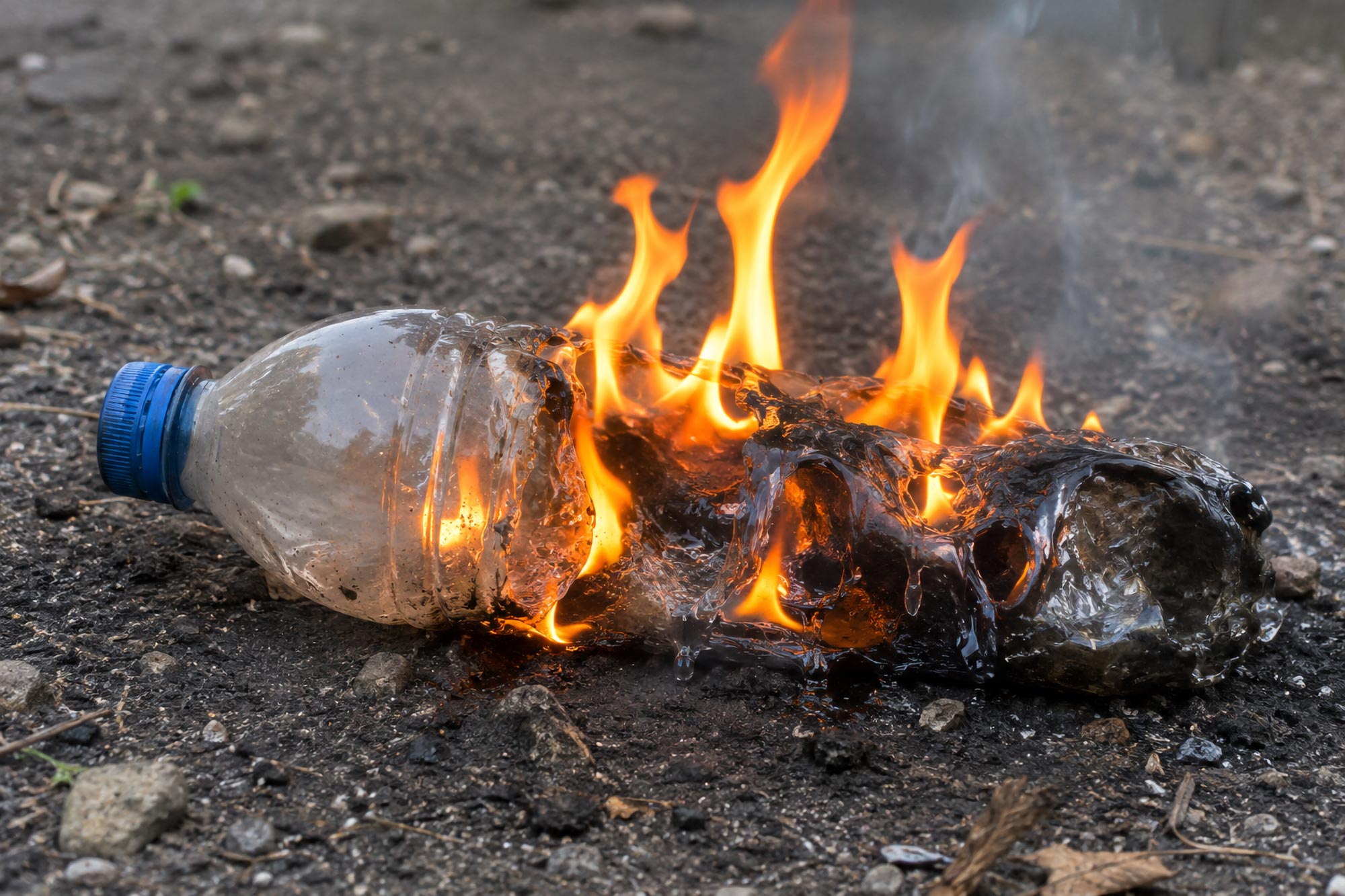
Summary of A Hidden Crisis: Why Millions Are Burning Plastic Just To Survive:
A recent study led by Curtin University reveals that burning plastic as a household energy source is much more common in developing countries than previously thought. Many families resort to burning plastic waste for cooking and heating due to the high cost of cleaner fuel and unreliable waste collection. The survey, which involved over 1,000 participants, found that one in three respondents was aware of households burning plastic.
The practice poses significant health risks, particularly to vulnerable groups such as women and children, who are exposed to toxic smoke and pollutants like dioxins and furans from burning substances like PVC. Additionally, burning plastic can contaminate food and water sources.
Researchers emphasize the urgent need for safer alternatives and solutions that address underlying issues, such as energy poverty and inadequate waste services. The study highlights a hidden health crisis and calls for interventions to support marginalized communities.
*****
Summary of Key Topics
- Prevalence of Plastic Burning: Millions in developing countries use plastic as a fuel source due to energy poverty and inadequate waste management.
- Health Risks: Burning plastics releases toxic chemicals that pose serious health hazards, particularly affecting vulnerable populations.
- Environmental Impact: The practice contributes to environmental degradation, contaminating food and water supplies with harmful substances.
- Root Causes: The driving factors behind plastic burning include economic hardship, unaffordable cleaner alternatives, and lack of waste services.
- Need for Solutions: Addressing the issue necessitates a multifaceted approach, focusing on community involvement and better access to sustainable energy.
A Hidden Crisis: Why Millions Are Burning Plastic Just to Survive
Across the globe, there lies a hidden crisis, one that often goes unnoticed amid our daily lives—millions of individuals, desperate for energy, are burning plastic in their homes, putting both their health and the environment at risk. This alarming practice has been highlighted in new research by Curtin University, revealing that the burning of plastic is far more widespread than most of us have realized.
But why would families resort to such a hazardous method for cooking, heating, or even starting a fire? As we dive into the intricacies surrounding this issue, we uncover not just a summary of alarming statistics, but a tapestry of stories reflecting the struggle against energy poverty, social inequity, and environmental degradation.
The Shift from Waste to Fuel
For families living in low-income communities, plastic waste serves a dual purpose: it is refuse, and it is fuel. Dr. Bishal Bharadwaj of the Curtin Institute for Energy Transition states that this practice arises from a culmination of factors, primarily financial constraints. When cleaner energy options are beyond reach—often due to prohibitive costs—what would be discarded as waste transforms into a vital resource.
Think about it: how many of us would consider burning everyday items, from wrappers to bottles, simply to meet basic household needs? Yet, for countless families, this translates to survival.
Anatomy of Toxicity
Imagine a home where the kitchen becomes the epicenter of toxicity—not from the food being prepared, but from the very materials used to cook it. Burning plastic doesn’t merely create smoke; it emits a cocktail of dioxins and furans, among the most hazardous pollutants known to humanity. This is more than just a statistic; it’s a reality for women, children, and the elderly who often bear the brunt of this invisible menace.
In crowded neighborhoods, where homes are close-knit and ventilation is limited, the air becomes thick with harmful substances. When we consider that burning mixed plastics, particularly polyvinyl chloride (PVC), releases these toxic compounds, it leads to grim prospects for those exposed. Cancer, reproductive disorders, and immune system damage are just the starting points of the health crises lurking beneath the surface.
The Ripple Effect of Contamination
The implications of burning plastic extend far beyond immediate health risks. Have you ever thought about how toxins can infiltrate our food and water sources? The research indicates that 60% of respondents believe that burning plastics poses a serious risk for contamination.
When plastic burns near fields and homes, harmful chemicals can settle on crops, find their way into drinking water, and accumulate in foods we consume. This insidious contamination creates health challenges that spiral outwards, targeting communities that are already grappling with social and economic difficulties. The invisible chains binding these struggles together symbolize not just a singular crisis but an interconnected web of issues begging for attention.
Beyond Awareness: Solutions Matter
So, what can be done? To simply tell families not to burn plastic is both simplistic and ineffective. Addressing the root causes requires a concerted effort to tackle energy poverty—one that considers a variety of socio-economic factors. Educational and resource-driven interventions are essential for supporting community access to more sustainable energy sources.
Sustainability is a buzzword in contemporary global dialogue, but what does it really mean in the context of these communities? Solutions need to be practical, culturally relevant, and environmentally considerate. Improved sanitation, better waste management services, and accessible cleaner fuels could radically shift the conditions communities face.
Imagine a world where these individuals have access to affordable, clean energy. The potential for transformation is profound when collective action meets local engagement. Therein lies the beacon of hope.
A Call for Collective Action
As global citizens, recognizing the complexity behind energy challenges in developing countries calls for a shift in our perspectives. Whether it’s in discussions with friends, advocating for policy changes, or directly supporting organizations that work toward equitable energy access, each action matters.
Now, visualize a collaborative effort, where communities, government bodies, and private organizations unite to tackle this crisis head-on. The power of innovation—be it through technology or community outreach—could pave the way for solutions that not only address immediate needs but also empower people towards a healthier future.
Final Thoughts: From Awareness to Action
As we unravel the layers of this hidden crisis, it becomes clear that the narrative centers around more than just statistics; it represents lives, families, and communities trying to forge a path towards stability amid chaos.
Let’s challenge ourselves to view the issue through a lens of understanding and empathy. The stories behind the numbers should inspire us to think critically about our own energy consumption, the repercussions of plastic use, and the broader consequences of social inequity. While we may not have been directly exposed to the same circumstances, our awareness can spark an overarching change.
Understanding the plight of those resorting to burning plastic serves to remind us that the complexities of our world require nuanced solutions. Together, let us build bridges that connect knowledge to action and transform hidden crises into opportunities for resilient, sustainable futures.
The Path Forward
As we conclude this exploration, it is vital to remain vigilant about the ongoing challenges while advocating for transformative change. None of this is hypothetical; it exists in the lives of millions. Each step we take—be it educating ourselves, engaging in community conversations, or pushing for policy reform—can illuminate the path toward a future where the burning of plastic is a relic of the past and sustainable energy is a common reality.
The ultimate objective is clear: we must work tirelessly toward a world where no one has to burn plastic to survive. Together, we can kindle the flames of change, driving society toward more sustainable practices that contribute not only to individual health but to a revitalized planet.