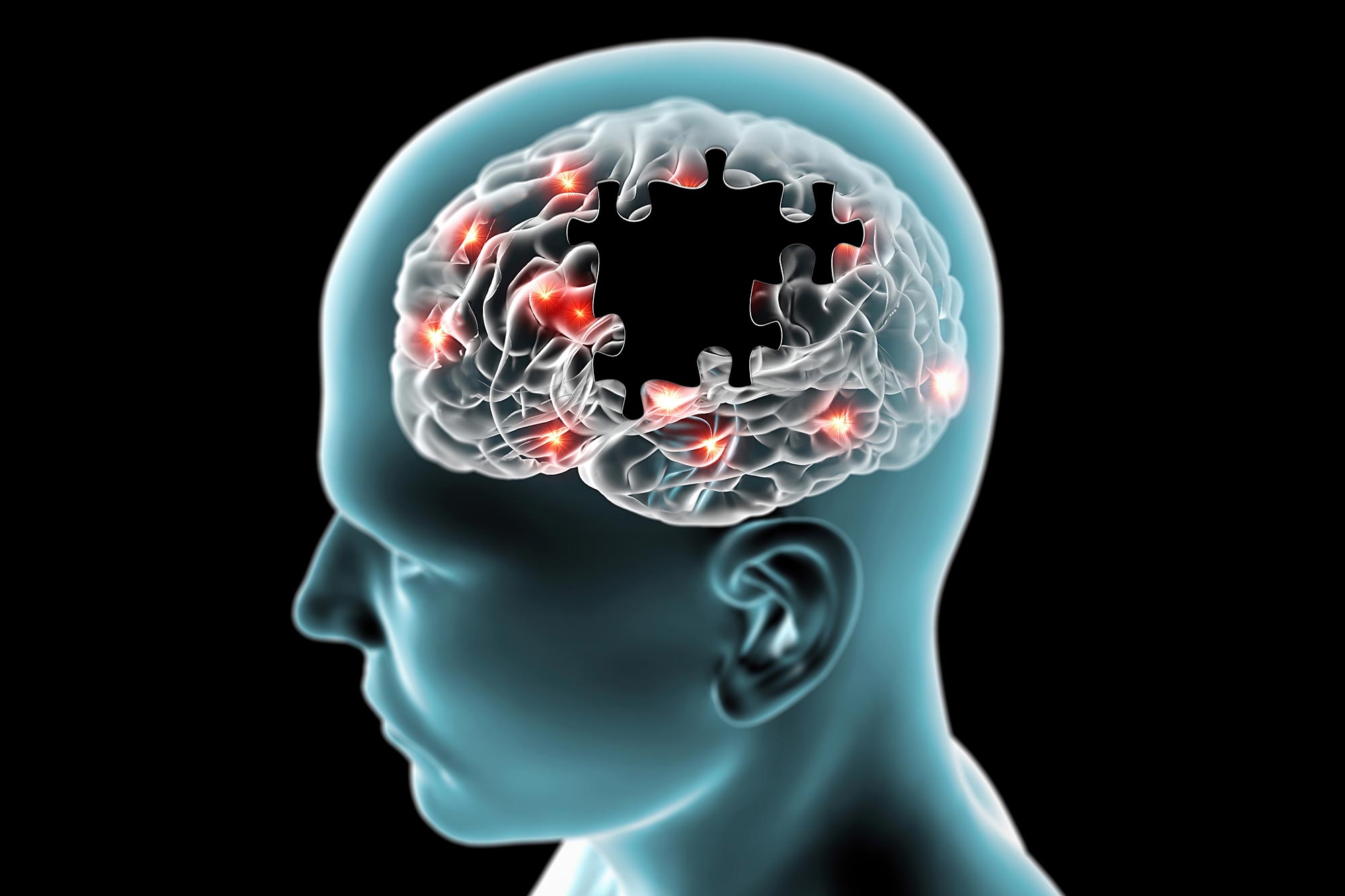
Summary of A Hidden Brain Rhythm Could Be the Key to More Effective Parkinson’s Treatment:
Researchers have identified a fast-acting brain network that improves the efficacy of deep brain stimulation (DBS) for Parkinson’s disease. This groundbreaking study, involving teams from multiple institutions including the University Hospitals of Cologne and Harvard Medical School, links two previously studied concepts: electrical brain activity and optimal stimulation sites. The study reveals that effective DBS influences a brain network operating in the fast beta frequency range (20-35 Hz). By analyzing data from 50 patients, the research shows that communication between the subthalamic nucleus and areas of the cortex is crucial for symptom improvement. Future research aims to explore the causal effects of DBS on these brain networks, potentially leading to more precise treatment strategies.
*****
Summary Bullet Points
- The recent study uncovers a fast-acting brain network that plays a crucial role in enhancing the effectiveness of deep brain stimulation (DBS) for Parkinson’s disease.
- Researchers identified a specific frequency (20-35 Hz) at which brain communication occurs, linking the deep subthalamic nucleus to frontal brain regions.
- This research combines electrophysiological recordings with advanced brain imaging, paving the way for future tailored DBS treatments.
- The study suggests that understanding these connections and rhythms could significantly improve therapy outcomes for Parkinson’s patients.
- Future endeavors aim to explore the causal effects of DBS on brain networks, potentially refining treatment for those who show inadequate responses.
A Hidden Brain Rhythm Could Be the Key to More Effective Parkinson’s Treatment
Imagine a world where movement is fluid, where every step feels intentional, and every gesture conveys confidence. For many battling Parkinson’s disease, however, the very act of moving can become a daunting task. The nuances of deep brain stimulation (DBS) as a treatment option offer a glimmer of hope, showing us just how intricate and fascinating our brain’s networks can be. A recent study has illuminated remarkable insights about a hidden brain rhythm that could redefine therapeutic approaches for Parkinson’s patients.
Understanding this hidden rhythm is not only a scientific endeavor—it’s a journey into transforming lives. The convergence of technology and biology has ushered in a fresh wave of hope, making it imperative to grasp the significance of these recent findings.
The Heart of the Matter: Understanding DBS
Parkinson’s disease, characterized by slow and shaky movements, has long posed challenges for medical practitioners. Traditional interventions have varied in efficacy, often failing to deliver consistent results. Enter deep brain stimulation, a surgical procedure designed to alleviate motor symptoms by delivering electrical impulses to targeted areas within the brain.
But why does this work? Although DBS has been an effective avenue for many, the underlying neural mechanisms and the reasons for varying patient responses remained elusive. Recent findings reveal that the efficacy of this treatment hinges not just on where the stimulation occurs, but also on the rhythm of the brain at play during the stimulation.
The Twin Forces of Space and Time
For decades, researchers delved into two separate realms of understanding: the spatial dynamics of where stimulation should occur and the temporal aspects of the signals being delivered. But what if we could weave these two strands together into a coherent narrative? Professor Dr. Andreas Horn from the University of Cologne has led the charge in pinpointing the specific networks involved in the therapeutic response to DBS, marking a pivotal shift in research methodology.
He stresses the importance of synchrony—the delicate ballet of neurons dancing in unison within a particular frequency band. The research indicates that when DBS engages a specific brain network operating in the fast beta frequency range (20 to 35 Hz), the results can be transformative.
Imagine the brain as an orchestra: some players are out of sync, creating dissonance. But when the conductor—a perfect frequency—guides them, the music becomes harmonious. That symphony is what patients can aspire to achieve with this newfound understanding.
Unraveling the Complex Network
The researchers’ analysis included a diverse cohort of fifty patients, utilizing advanced techniques such as magnetoencephalography (MEG) alongside the traditional electrode recordings from the DBS devices themselves. By mapping and analyzing the connections between the subthalamic nucleus—the primary site of stimulation—and the frontal regions of the brain, they uncovered insights that were both promising and precise.
These findings connect the dots between the physical site of stimulation and the temporal dynamics of how brain signals are communicated. The result? A clear understanding of how effectively motor symptoms can improve following DBS implantation, depending on how well these networks communicate through rhythm.
Bridging the Gap: Future Directions
As intriguing as these findings are, they serve as a precursor to what lies ahead. The capacity to harness this knowledge could mean that doctors will soon fine-tune DBS settings based on the unique rhythms of each patient’s brain. For instance, understanding that a particular communication channel is more effective at a specific beta frequency could allow for personalized treatments that maximize therapeutic benefits while minimizing side effects.
Dr. Bahne Bahners, the first author of the study, summarizes it perfectly—this research opens up the potential for more individualized approaches for those who have yet to see maximal benefits from traditional DBS methods.
Understanding the Broader Impact
Imagine if we could extend this understanding beyond Parkinson’s disease. The insights gleaned from this study could ripple through the worlds of neurological treatments for other disorders such as epilepsy or essential tremors. The essence of discovering a shared rhythm among brain networks taps into a universal truth: synchronized communication is key.
A Call to Action: Embracing Innovation in Care
It’s easy to feel overwhelmed by the complexity of the brain, but this groundbreaking research invites patients, medical professionals, and caregivers alike to remain optimistic. It underscores the idea that we’re only beginning to scratch the surface of what’s possible when it comes to understanding the brain and its myriad functions.
As technology advances, so do our opportunities for refining treatments. Imagine being able to systematically apply insights on brain rhythms not just for Parkinson’s, but for a range of neurological conditions. The realization that a faster communication frequency can enhance symptoms is more than a scientific discovery; it becomes a rallying call for innovation.
The Interplay of Science and Humanity
While these revelations are rooted in scientific research, it’s the human element that makes them truly impactful. For families grappling with the challenges of Parkinson’s, each small victory in symptom management doesn’t just translate to improved motor function. It signifies a renewed sense of hope and autonomy.
By forging connections between complex scientific concepts and the lived experiences of those battling chronic conditions, we can create a narrative that is engaging, relatable, and empowering. It becomes less about the numbers and frequencies and more about enhancing quality of life.
Conclusion: The Future is Bright
The world of neurological treatment is evolving, driven by the relentless curiosity of researchers committed to unlocking the mysteries of the brain. The harmonious rhythms of brain networks suggest that while the challenges posed by Parkinson’s disease can be daunting, they are not insurmountable.
Let us embrace this new understanding and push for advancements that will pave the way for effective, personalized patient care. The hidden brain rhythm unveiled in this study is just one piece of a much larger puzzle, but it is a crucial piece—a reminder that in the quest for healing, there lies an opportunity for profound transformation.
Through science, compassion, and innovation, there is hope for a future where every movement embodies the freedom it represents. Let’s follow the rhythm and dance toward that brighter future together.