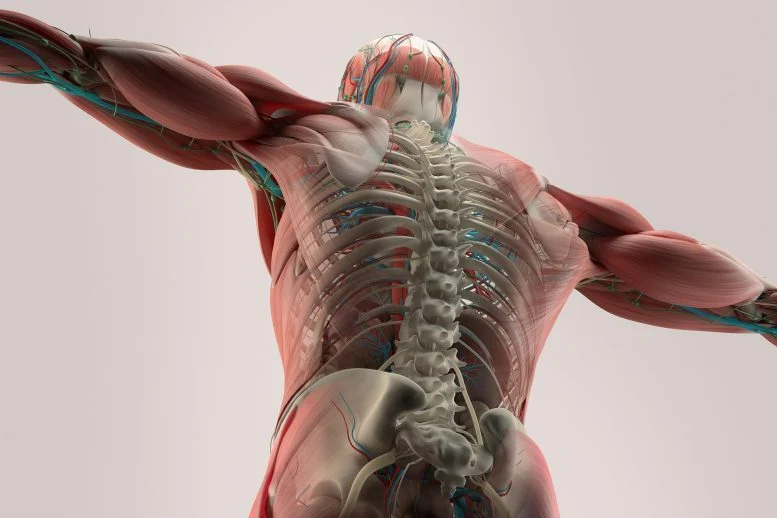
Summary of New Research Challenges Common Exercise Advice for Bone Health:
A study by researchers at Semmelweis University highlights that high-intensity exercises, particularly those involving explosive movements and quick directional changes, significantly enhance markers of bone formation compared to conventional activities. This research, published in Sports Medicine—Open, analyzed 24 clinical studies with 1,238 participants and found that activities like recreational football and handball increased blood markers related to bone formation by 45 to 46%. In contrast, lower-intensity exercises such as walking and standard resistance training showed minimal effects on bone metabolism.
The findings suggest that for optimal bone health and to prevent osteoporosis, exercise programs should prioritize high-intensity activities. However, individuals should approach exercise intensity cautiously, especially those with existing health conditions, and consult healthcare providers before making significant changes to their exercise routines. This study challenges existing fitness guidelines that emphasize moderate activities for bone health, proposing that stronger mechanical stimuli are necessary for maintaining bone strength.
*****
Summary Bullet Points
- New research from Semmelweis University challenges conventional exercise advice for bone health, emphasizing the need for high-intensity activities.
- The study reveals that explosive movements and quick changes of direction enhance markers of bone formation significantly more than traditional low-intensity exercises.
- Walking and moderate resistance training, while still beneficial for general health, may not provide adequate stimulus for bone health preservation.
- The findings suggest rethinking exercise routines to focus on intensity and dynamic movements to optimize bone strength and reduce osteoporosis risk.
- The study paves the way for more effective, evidence-based exercise programs tailored for maintaining healthy bones as we age.
Rethinking Bone Health: The Power of High-Intensity Exercise
Shedding light on fitness and well-being goes beyond striking a balance between mental resilience and physical prowess. It’s about exploring what truly enhances our vitality, particularly when it comes to the health of our bones. For years, conventional wisdom has led many of us to believe that moderate activities—think leisurely walks or gentle yoga—are the path to preserving bone health. However, new research from Semmelweis University challenges this long-held belief, encouraging a re-evaluation of the ways we approach exercise for stronger bones.
Imagine this: a sharp turn on a handball court isn’t just a tactical movement but could be a game-changer for your bone health. As surprising as it sounds, this recent study underscores that explosive movements and quick changes of direction can significantly boost the markers associated with new bone formation. In a world where we often equate effort with longevity, this research might inspire those seeking a vibrant, active lifespan to engage differently than they have before.
The Science Behind Bone Health
The researchers embarked on this investigation involving over a thousand healthy adults across 24 clinical studies. Instead of solely relying on traditional measurements of bone mineral density—an approach that can take substantial time to show results—they turned their focus more dynamically. They analyzed blood biomarkers, which can reveal your body’s ongoing production of new bone tissue within weeks.
Dr. Péter Ferdinandy, Vice Rector for Science and Innovations at the university, noted, “What makes our study unique is that we examined not only the type of exercise—whether endurance, resistance, or combined training—but also exercise intensity, frequency, and duration.” This meticulous investigation formulated a nuanced perspective on how varying aspects of exercise can synergistically promote bone health, showcasing the necessity of both intensity and movement patterns.
Discovering the Impact of High-Intensity Sports
Now let’s talk specifics. High-intensity sports that incorporate repeated bursts of action, such as recreational football and handball, demonstrated astonishingly positive effects, potentially resulting in a whopping 45 to 46 percent increase in blood substances linked to bone formation. In contrast, conventional activities like walking and gym-based resistance training left a significantly weaker mark on the same markers. The findings push us to reconsider our definitions of ‘effective’ exercise when it comes to bone health.
Does this mean we should all don our sports gear and dive headfirst into high-octane practices? Not quite. It’s essential to approach any form of vigorous exercise with caution, especially for individuals with existing cardiovascular, musculoskeletal, or metabolic conditions, or those diagnosed with osteoporosis. A conversation with a healthcare professional will ensure that your workout aspirations align with safe, personalized practices.
The Surprising Results: Resistance Training Re-evaluated
Among the revelations that emerged was the unexpected finding regarding resistance training. While many health guidelines advocate for its benefits in preserving bone health, this research suggests that it might not create a significant impact on bone metabolism markers, raising essential questions. If traditional resistance exercises are not the holy grail we once believed them to be, what does that mean for our routines?
Viktória Barna, the study’s first author, succinctly points out, "Low- or moderate-intensity endurance exercise, such as walking or jogging, showed no meaningful long-term effect." Yet, this does not diminish the value of these activities altogether; they still contribute positively to overall health. Rather, the findings indicate that to genuinely stimulate bone metabolism, we may need to add a layer of intensity to our exercise practices.
Shifting Perspectives on Exercise Programs
As we navigate our fitness journeys, the insight gathered from this research encourages a deeper exploration of how to maintain bone strength as we age. High-intensity exercise may serve as a catalyst for promoting new bone formation, which is paramount in slowing bone loss and enhancing our quality of life. This exploration is crucial, particularly as we grapple with the implications of osteoporosis—a condition that can dramatically impact one’s life quality and mobility.
The World Health Organization acknowledges the multitude of benefits regular physical activity brings to our lives, but this new evidence illustrates that simply opting for low-intensity activities may not suffice when bone health is our focus. For those serious about blending safety with efficacy in exercise routines, prioritizing high-intensity workouts could play a crucial role in supporting strong, resilient bones.
It’s Time for Change
Now is an incredible opportunity to alter our perspective on daily fitness. Perhaps you’ve felt stagnation in your workouts or have become weary of conventional routines. It’s easy to fall into the rhythm of familiar exercises that seem friendly and low-risk, but embracing challenges can ignite a transformative journey toward bolstering your bone health.
Consider incorporating activities that require quick bursts of energy or agility, such as basketball, gymnastics, or high-intensity interval training (HIIT). Not only can they enhance muscle and cardiovascular strength, but they may also provide your skeletal system the encouragement it needs to thrive. Picture a workout infused with bursts of creativity: what about practicing dance steps that demand rhythm and quick shifts, or even exploring martial arts that interactively build both strength and bone health?
Sustained Motivation for Lifelong Growth
Embarking on this new fitness journey does not have to resemble a radical overhaul of your lifestyle. Begin by including intervals or shorter sessions of high-intensity activities within your existing routine. These moments can serve as ways to refresh your exercise enthusiasm while unlocking the hidden potential within you.
Moreover, remember that the essence of motivation lies not solely within the new workouts you try, but also in the journey itself. Celebrate small victories—whether it’s mastering a new movement, enjoying a workout with friends, or simply discovering an exercise style you love. Share your experiences, get involved in community sports, or join fitness groups that encourage this new approach.
As you contemplate these insights about exercise and bone health, recognize that this requires not only physical effort but a holistic mindset shift. Acknowledge that maintaining strong bones is a lifelong commitment that may necessitate evolving routines; it’s a dance with your health where intensity and joy can coalesce into a lasting relationship.
Moving Forward with Purpose
Our understanding of fitness, particularly regarding bone health, is evolving. The insights drawn from Semmelweis University’s study push us toward a more vibrant, informed approach to our exercise routines. As we decisively venture toward high-intensity practices, let us remain open to trial and error, creativity, and the potential excitement of every workout.
In this intersection of science and personal growth, you have the tools to redefine your approach to exercise. Embrace the challenge, dive into high-energy activities, and watch as your commitment to bone health leads not only to stronger bones but to a more dynamic, engaged, and fulfilling life.
In the race for longevity and vitality, let’s lace up those sneakers, ignite our passion, and take strides towards bone health that echo with excitement, resilience, and above all—a celebration of life itself. Together, we can transform challenges into stepping stones for a healthier, more spirited future!