- The role of peptides in improving fertility for women facing infertility challenges
- Understanding insulin sensitivity and metabolic health in relation to reproductive function
- The connection between diet, nutrition, and hormonal balance
- Scientific evidence supporting the use of peptides for enhancing fertility
- Practical applications and considerations for women interested in peptide therapy
Women dealing with infertility are increasingly turning to peptide therapy as a potential solution. Peptides are short chains of amino acids that play crucial roles in various physiological processes, including hormone regulation and metabolic functions. Their influence on fertility has been a topic of interest among researchers and clinicians alike. Understanding how peptides can aid fertility involves exploring their impact on insulin sensitivity, metabolic health, and overall hormonal balance.
Peptides, particularly those that stimulate the production of hormones or aid in cellular functions, can significantly influence reproductive health. Research indicates that certain peptides have the potential to enhance egg quality, improve uterine receptivity, and regulate hormonal balance in women struggling with infertility. The relationship between peptides and fertility is largely connected to how they modulate key hormones vital for reproductive processes.
Insulin sensitivity has emerged as a critical focus in discussions about fertility. Insulin is an essential hormone for metabolic health, and its dysfunction can lead to various reproductive issues, including polycystic ovary syndrome (PCOS). Women with insulin resistance may experience irregular menstrual cycles and hormonal imbalances that interfere with ovulation. This is where the role of peptides becomes particularly relevant.
Peptide therapy may enhance insulin sensitivity, which in turn can help restore normal menstrual cycles and improve ovulatory function. Improving metabolic health through diet and the use of specific peptides can create a more favorable environment for conception. Research has shown that peptides like insulin-like growth factor (IGF-1) play roles not only in growth and development but also in facilitating processes that support reproductive function.
Diet and nutrition form the backbone of metabolic health and are critical for maintaining hormonal balance. Nutritional deficiencies can exacerbate fertility problems, leading to insufficient nutrient availability for reproductive functions. A diet rich in whole foods, healthy fats, lean proteins, and essential vitamins and minerals is essential for women aiming to improve their fertility. Specific nutrients, such as vitamin D, omega-3 fatty acids, and antioxidants, support ovarian function and overall reproductive health.
Peptide therapy is often seen as a complementary approach to metabolic improvements. Some peptides, such as growth hormone-releasing peptides, stimulate the pituitary gland to secrete growth hormone. This, in turn, can enhance insulin sensitivity and support metabolic health. Continuous research indicates that using peptides can lead to improvements in the body’s ability to manage blood sugar levels effectively, which is crucial for women with fertility issues.
A wealth of scientific evidence supports the use of peptides for bolstering fertility. Various studies have illustrated positive outcomes, with women experiencing improved ovarian response and enhanced fertilization rates when integrating peptide therapies into their fertility treatment regimens. For instance, studies have reported that peptides like kisspeptin can influence the hypothalamic-pituitary-gonadal axis, effectively stimulating reproductive hormone release and enhancing ovulation.
Additionally, the therapeutic benefits of peptides extend to their capacity to improve uterine receptivity. This capability is particularly important for women undergoing assisted reproductive technologies, such as in vitro fertilization (IVF). Enhancing uterine lining thickness and cellular receptivity increases the chances of successful implantation and, subsequently, pregnancy.
Women interested in peptide therapy for enhancing fertility should consider several aspects before pursuing this option. Consulting healthcare professionals specializing in reproductive endocrinology is crucial. They can provide tailored recommendations regarding specific peptides and the appropriate dosages for individual needs. Practitioners can also help assess overall health, including metabolic function and hormonal balance, to create a comprehensive approach to fertility enhancement.
Lifestyle factors such as stress management and physical activity also contribute to overall metabolic health and fertility. Chronic stress can lead to hormonal imbalances that negatively impact reproductive functions. Engaging in regular physical activity not only helps manage weight but also enhances insulin sensitivity. This interplay underscores the importance of a holistic approach to improving fertility.
Furthermore, specific peptides may not be suitable for everyone. Potential side effects and contraindications should be discussed during consultations. Women must remain informed about the latest research findings and treatment protocols surrounding peptide therapy and fertility.
Incorporating peptides into a fertility enhancement strategy can have profound implications for women facing infertility challenges. The relationship between insulin sensitivity, metabolic health, and reproductive function forms a complex network that peptides can positively influence. By addressing underlying metabolic issues, supporting hormonal balance, and fostering optimal conditions for conception, peptides emerge as a promising avenue for women seeking to improve their fertility outcomes.
The journey toward understanding and utilizing peptides in infertility treatments remains ongoing. As scientific knowledge advances, the potential applications of peptides will contribute to more effective strategies for women battling infertility. The exploration of these therapeutic options reflects the commitment to improving reproductive health and supporting the dreams of those desiring to conceive.
*****
Source Description
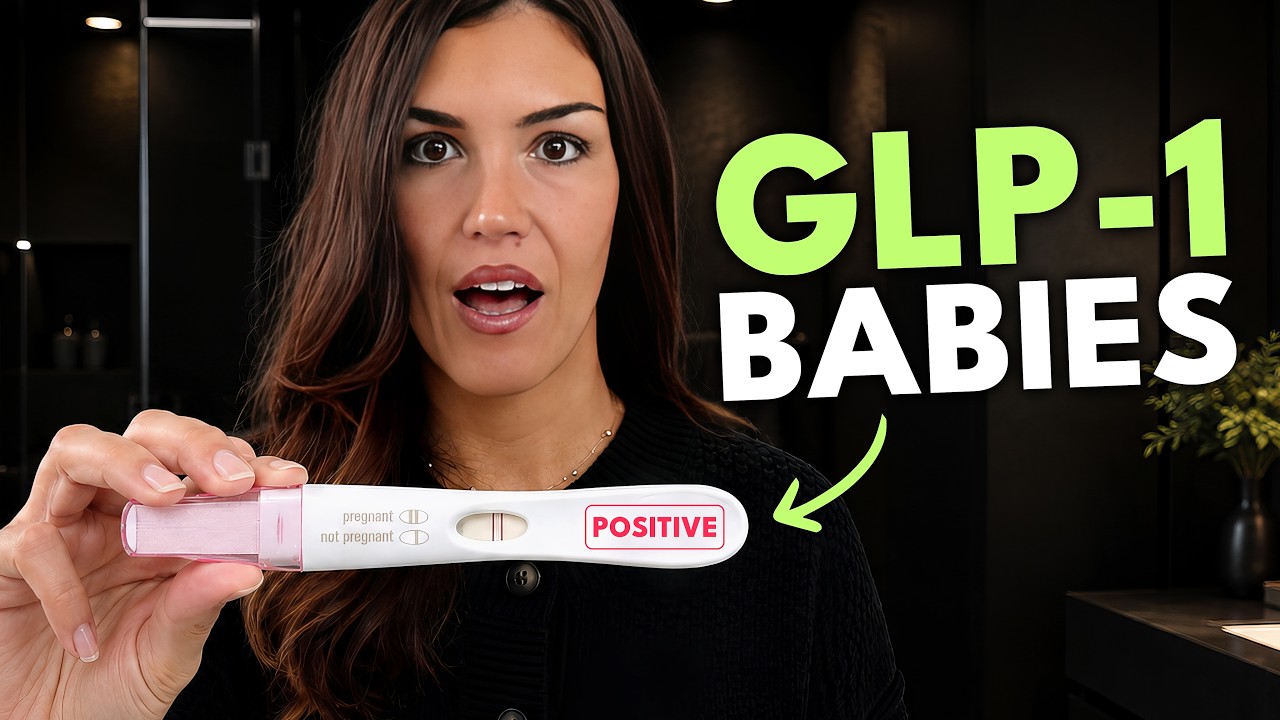
There’s been a wave of headlines recently asking whether GLP-1 medications can boost fertility. This video explains the actual mechanism, and it comes down to insulin resistance.
PCOS has recently been renamed PMOS, polyendocrine metabolic ovarian syndrome, reflecting a more accurate understanding that this is fundamentally a metabolic and endocrine condition, not primarily an ovarian one. This video breaks down how chronically high insulin drives elevated androgens, how that disrupts ovulation, and why correcting insulin resistance through GLP-1 medications like Ozempic, Mounjaro, and retatrutide is leading to the surprise pregnancies making headlines.
I also cover an important related point, how these same medications can reduce the reliability of oral contraception, which matters for anyone on a GLP-1 who isn’t trying to conceive.
What I cover:
— Why PCOS was renamed PMOS and what that name change actually reflects
— How chronically high insulin drives elevated androgens and disrupts ovulation
— What’s actually behind the headlines about women getting pregnant on GLP-1 medications
— How GLP-1s can reduce the effectiveness of oral contraception
— Whether this counts as a shortcut or genuine treatment
— Why PMOS is reversible but not always straightforward through lifestyle alone
———–
*MY METABOLIC TOOLKIT*
💫 Berberine (20% off: KAIT20): https://hckait.com/berberine
🧂 Electrolytes (15% off): https://hckait.com/sodiielectrolytes
🥤 Protein powder (20% off): https://hckait.com/equip
🍳 Non-toxic cookware (15% off): https://hckait.com/misen
🩸 At-home insulin resistance test (10% off: KAIT10) https://hckait.com/getsowell
🔥 Continuous ketone monitor (15% off: KAIT15): https://hckait.com/ckm
🚨 Red light therapy ($260 off): https://hckait.com/rlt
☕️ MCT oil: https://hckait.com/bulletproof
*WATCH NEXT*
*SOCIAL LINKS*
Instagram: https://instagram.com/healthcoachkait
TikTok: https://tiktok.com/@healthcoachkait
Facebook: https://facebook.com/.com/healthcoachkait
*COACHING*
7-Day Insulin Resistance Masterclass https://hckait.com/IRmasterclass
*TIME STAMPS*
0:00 The headline everyone is talking about
0:53 Why PCOS was renamed PMOS
1:52 How high insulin actually causes PMOS
3:29 What’s really behind the GLP-1 pregnancy headlines
4:40 GLP-1s and oral contraception
5:10 Is this a cheat code or genuine treatment?
6:01 PMOS is reversible, but not always easy
*ABOUT ME*
Hi, I’m Kait Malthaner (aka Health Coach Kait), a certified health and nutrition coach specialising in blood sugar balance and reversing insulin resistance. I help you simplify health so you can naturally lower blood sugar, A1c, and blood pressure, lose stubborn belly fat, and feel your best again. Getting healthy doesn’t have to be complicated. Small changes lead to big results.
Disclaimer: This video is for informational purposes only and is not a substitute for professional medical advice. Always consult your doctor regarding any medical concerns. Some links are affiliate links, meaning I may earn a small commission at no extra cost to you. I only recommend products I personally use, trust, and love.
#PMOS #PCOS #InfertilityTreatment