Summary of Magnetic Nanoparticles Restore Movement in Mice With Parkinson’s-Like Symptoms:
Researchers have developed a magnetic method to influence deep-brain circuits in mice with Parkinson’s-like symptoms, providing a less invasive alternative to traditional deep brain stimulation, which uses implanted electrodes. By injecting magnetic nanoplatelets into the subthalamic nucleus and applying a magnetic field, the technique improved motor function by activating neurons through mechanical forces without direct electrical stimulation. The study showed significant movement improvement in mice, akin to results from brain pacemaker implantation, with no signs of inflammation from the nanoparticles over several months. Future developments may include non-invasive delivery methods and wearable devices for therapeutic use, potentially revolutionizing treatment for Parkinson’s patients.
*****
Summary Bullets:
- Researchers have developed a method using magnetic nanoparticles to stimulate deep-brain circuits, enhancing movement in mice with Parkinson’s-like symptoms.
- This approach is less invasive than conventional deep brain stimulation, which requires surgically implanted electrodes.
- The nanoparticles transform magnetic fields into tiny mechanical forces, interacting with neurons naturally.
- Preliminary results indicate significant movement improvements in mice without causing inflammation.
- Future possibilities include less invasive administration through the bloodstream and wearable devices for magnetic stimulation.
Unlocking Movement: The Promise of Magnetic Nanoparticles in Parkinson’s Research
Parkinson’s disease is often portrayed as one of those conditions that descends with quiet tenacity, robbing individuals of their freedom to move. It may start with a slight tremor or an uncommon stiffness, but it gradually evolves into a challenge that disrupts daily life. Yet, in the face of such a daunting adversary, the landscape of neurodegenerative research is evolving, offering newfound hope through innovative techniques.
Imagine a world where movement is not a luxury but a reality, restored by cutting-edge science. In recent studies, researchers unveiled a remarkable breakthrough involving magnetic nanoparticles that have, astonishingly, been able to restore movement in mice exhibiting Parkinson’s-like symptoms. Yes, this isn’t just another tale spun from the tapestry of science fiction; this represents a tangible glimpse into the future of neuromodulation.
The Mechanics of Hope: How It Works
The world of neuroscience has often relied on surgical techniques to alter brain function, particularly for disorders like Parkinson’s. For many years, deep brain stimulation (DBS) has been the go-to avenue, employing surgically implanted electrodes to send electrical signals deep into the brain. While this method can yield miraculous results in movement, it’s not without its complications—considerable surgery, potential risks, and non-ideal outcomes for some patients.
A coalition of researchers from notable institutions like Friedrich-Alexander-Universität Erlangen-Nürnberg and Maastricht University analyzed this dilemma and thought, “What if we could avoid the scalpel?” Their innovative approach looks toward magnetic nanoparticles—a different kind of warrior in the struggle against movement disorders.
These nanoparticles are ingeniously designed to mimic auditory cues but respond dynamically to external magnetic fields, translating them into subtle mechanical forces. When introduced into targeted areas of the brain, these miniature marvels can gently manipulate neurons, employing the brain’s own mechanosensors. This opens the door for electrically charged ions to flow into the cells—essentially reigniting the neural pathways that may have been dormant due to Parkinson’s.
A Leap Beyond Boundaries
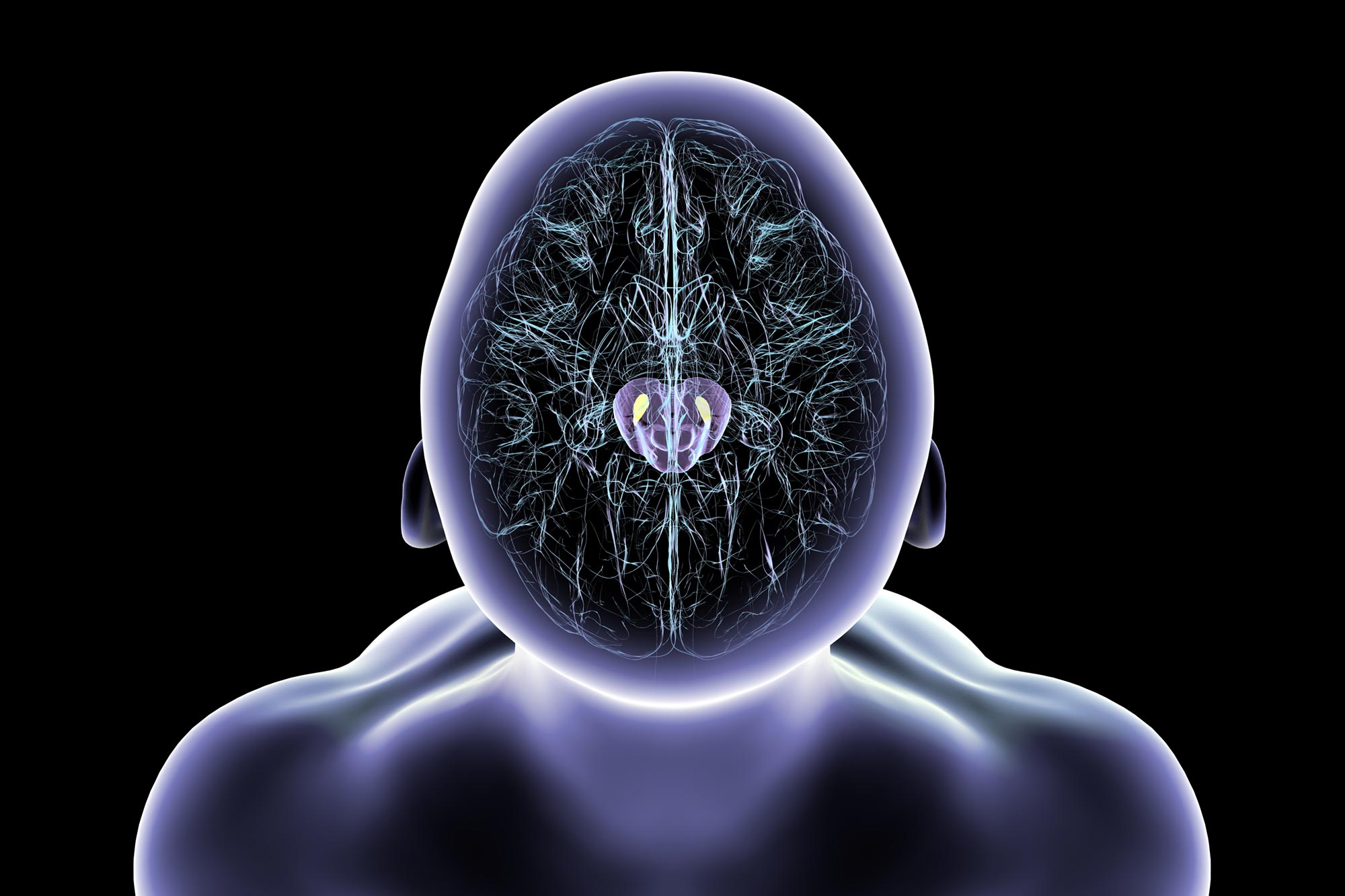
Imagine taking a tool like a remote control and applying it to the intricate machinery of the human brain. That’s precisely what researchers have accomplished. By injecting these particles into the subthalamic nucleus—the same region targeted by traditional DBS—they were able to elicit remarkable movement improvements in mice.
The testing was intricate and required precision; it’s not about blindly throwing particles into the brain and hoping for the best. High-precision stereotactic methods ensured that these nanoparticles found their way directly to the motor circuits responsible for movement control.
The results were compelling. Mice exhibited significant improvements in their ability to move, paralleling the outcomes seen with traditional brain pacemakers. In a world where adaptations often seem lifeless and disheartening, this finding blankets the conversation with optimism.
Safety First: What the Results Say
One of the most encouraging aspects of this research is the indication that safety needn’t be sacrificed for efficacy. The magnetic nanoparticles were observed to remain in the mice’s brains for months without eliciting signs of inflammation. While scientific skepticism is always warranted—especially in groundbreaking research—no evidence suggests these foreign particles caused adverse effects. As such, this paves the way for further exploration and development of this technique.
Shifting Paradigms: The Road Ahead
What does the future look like for this magnetic method? It’s brimming with possibilities! Currently, researchers are keen on evading the need for direct brain injections, potentially administering the particles through the bloodstream. This innovative approach could assist in crossing the infamous blood-brain barrier, opening avenues that were once thought to be unreachable.
The blueprint is gradually unfolding: envision compact, wearable devices that could generate the magnetic fields necessary for treatment. Picture a stylish headband perched upon a patient’s forehead, facilitating neuromodulation without the invasive nature of surgery. While still years away from clinical reality, the visions in this field of study stir excitement and rejuvenate hope.
The implications extend further, too—beyond merely serving as a treatment method, this technique could transform into an adept research tool. By exploring how these tiny mechanical forces impact brain activity, we’re not just treating symptoms; we are on a journey toward truly understanding the intricate web of neuronal functionality.
Why This Matters
You might wonder, “Why should I care about mice showing improved movement due to nanoparticles?” On the surface, it may seem distant from our everyday lives. However, the ripple effects of such research encompass so much more than just laboratory breakthroughs. This is about redefining what is possible for countless individuals living with movement disorders.
The struggle against Parkinson’s is both deeply personal and universally resonant. There are those in our families, circles, and communities who navigate this challenging terrain daily. Innovations like these beckon a light at the end of a tunnel that has remained dark for too long. Each advancement in science is a step closer to living lives fully, liberated from the shadows cast by illness.
Success in such studies doesn’t just blossom in sterile labs; it burgeons within the lives that await restoration—returning the pleasure of dancing, the freedom of walking, or maybe the delight of simply picking up a cup of coffee without a tremor.
Embracing the Unknown
With each breakthrough, we are continually reminded of the importance of curiosity and innovation. The journey of scientific discovery often involves navigating through uncertainty. Pioneering techniques like the utilization of magnetic nanoparticles showcase not just the power of technology, but the indomitable spirit of human ingenuity.
We are, collectively, on the cusp of revolutionizing how we perceive and treat neurological diseases. Imagine a world where flexibility reigns in treatment options—less invasive means that offer personalized care and improved quality of life. This is not an implausible fantasy; it’s a narrative in development.
Moving forward, sharing these findings with broader communities becomes critical. As researchers and innovators make strides in addressing Parkinson’s and other conditions, it is equally vital to keep communication open. Knowledge empowers patients and families, helping them navigate available options and press for new treatments on the horizon.
Conclusion: Hope in Action
As we explore the unique and fascinating avenues carved by magnetic nanoparticles, we find ourselves reflecting on larger themes: resilience, adaptation, and the boundless potential of science to enrich human experience. The dynamic interplay of research, compassion, and innovation serves as a guiding force toward restoring movement, a daily experience often taken for granted.
In the face of adversity, whether it be illness, a tough life challenge, or a daunting goal, remember that every small step contributes to a larger movement. By investing in research, nurturing curiosity, and being open to emerging possibilities, a brighter future emerges—one filled with movement, joy, and most importantly, hope.
This latest breakthrough represents more than just science; it embodies a renewed spirit and an invitation to dream bigger. It’s a powerful reminder that, together, we can break boundaries, challenge the status quo, and foster a world where the only direction to move is forward.