Summary of Scientists Reveal the Best Exercises for Aging Joints:
As people age, joint health often declines due to the reduced amount of cartilage and synovial fluid. While this might lead some to avoid exercise, research suggests that physical activity can actually benefit joint health. Exercise helps distribute synovial fluid, which nourishes cartilage, and strengthens the muscles around joints, providing shock absorption.
Low-impact exercises such as swimming, cycling, Tai Chi, and walking on uneven surfaces can improve joint function and proprioception, which may otherwise decline with age. Evidence shows that exercise can alleviate joint pain and enhance mobility, comparable to anti-inflammatory medications but with fewer side effects.
To get started with low-impact exercise safely:
- Start small: Begin with short walks or balance exercises.
- Use support: Exercise near stable objects for safety.
- Get advice: Consult a professional for a tailored exercise plan.
Embracing low-impact activities can help maintain joint health and mobility, regardless of age.
*****
Summary Bullet Points
- Joint health deteriorates with age due to reduced cartilage and synovial fluid.
- Regular exercise can counteract joint discomfort and enhance mobility.
- Low-impact exercises are particularly beneficial for older adults and can reduce pain effectively.
- Activities like walking, swimming, and yoga improve joint function without causing damage.
- Starting small, using support, and consulting experts are crucial for safe exercise routines.
Scientists Reveal the Best Exercises for Aging Joints
As you navigate through the different stages of life, one thing becomes evident: your body tells a story. A story rich with experiences—joyful leaps, relaxed strolls, and maybe a few spills along the way. However, as we age, the narrative takes a twist; those once agile joints can become stiff, achy, and a common topic of conversation. Many people find themselves wondering if movement will exacerbate the wear and tear, but research suggests the right kind of exercise can weave a new chapter of vitality.
Let’s delve into the intricate dance between aging and joint health—a journey full of fascinating revelations and actionable insights.
Understanding Joints: What’s Happening Inside?
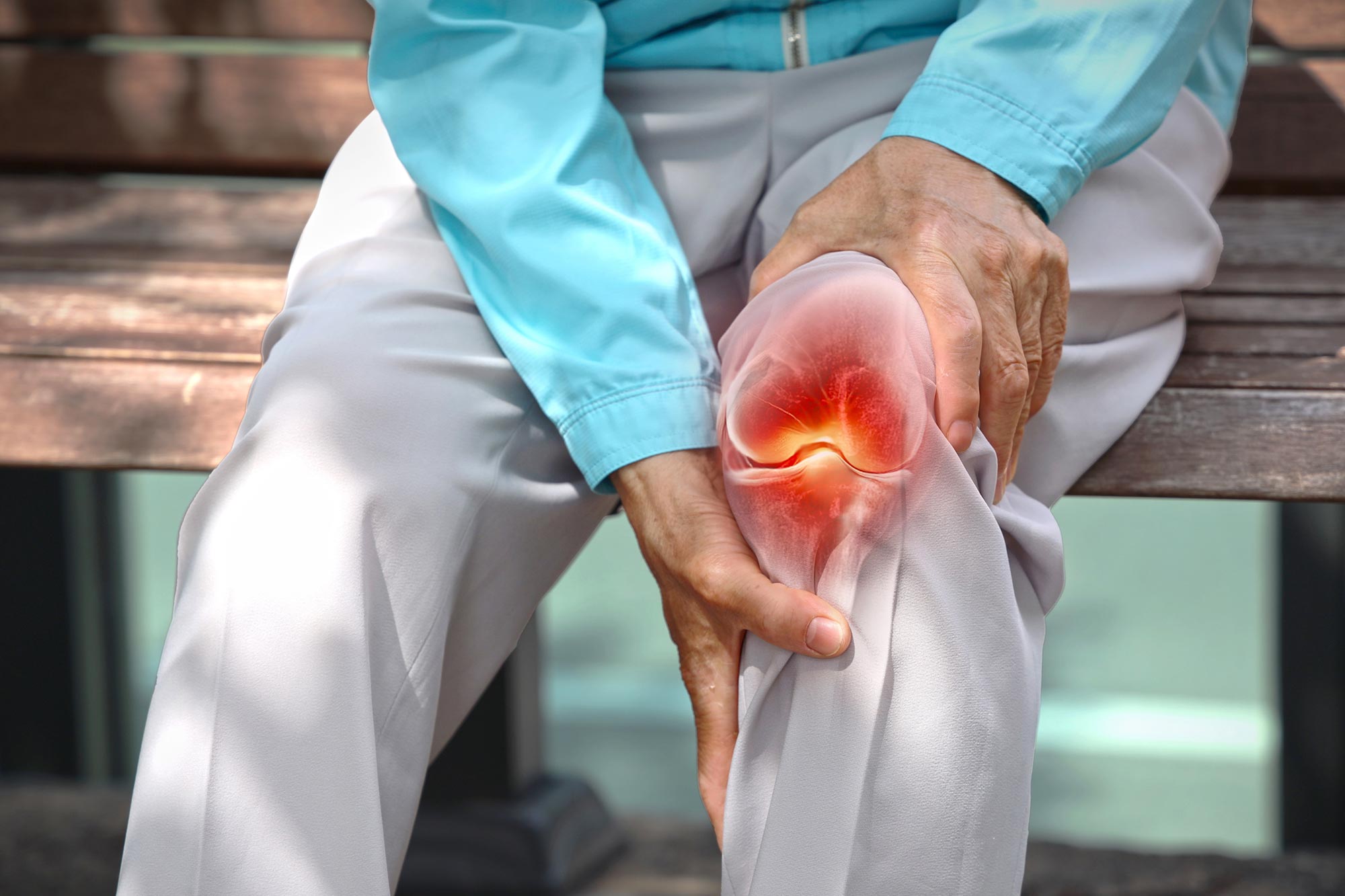
At the core of joint functionality lies cartilage, the resilient connective tissue that graces the ends of our bones. Think of it as a protective cushion, facilitating smooth movement. As we age, this miracle tissue, along with synovial fluid—a thick lubricating liquid—experiences a decline. This reduction can lead to conditions such as osteoarthritis, impacting more than 500 million people globally. The weight-bearing joints—such as knees, hips, and the spine—often bear the brunt of this gradual deterioration.
So, what’s the secret to keeping those joints from becoming cranky? The answer lies in movement, specifically the kind that supports joint health and can energize your day-to-day life.
The Paradox of Exercise: A Prescription for Pain
It may seem counterintuitive, but exercise can be the antidote to joint pain. As strange as it may sound, movement is pivotal for distributing synovial fluid throughout the joints. When you engage in physical activity, this fluid nourishes the cartilage, maintaining its health and function.
Moreover, strong muscles act as a supportive framework around joints, reducing the pressure imposed on them. Strength exercises—especially those focusing on the quadriceps—have shown tremendous effectiveness in reducing joint pain. A landmark Cochrane review compared the effects of exercise on osteoarthritis to anti-inflammatory medications and found that exercise was just as beneficial but without the adverse side effects. What a powerful takeaway!
Balance Training: A Foundation for Stability
Balance and proprioception—the body’s awareness of its position in space—are crucial as we age. With advancing years, our proprioceptive abilities may decline, leading to uneven weight distribution and increased wear on our joints. Now, here’s the silver lining: exercising on diverse and even unstable surfaces can actually counterbalance this decline.
For example, movements that challenge balance prompt rapid adjustments in joints, keeping them engaged. Walking on uneven terrain, such as trails or sandy beaches, can be remarkably beneficial.
Embracing the Best Low-Impact Exercises
When it comes to aging joints, low-impact exercises are your best friends. These activities minimize the stress placed on your joints, effectively achieving the delicate balance between exercise and safety.
-
Walking: An everyday movement—walking can be an invigorating activity. Whether you stroll through a local park or tackle unpaved paths, you’re helping to enhance your proprioception while getting invaluable exercise.
-
Swimming and Water Aerobics: The buoyancy of water can support up to 90% of your body weight. This support allows you to engage in vigorous movements without punishing your joints, making swimming an ideal low-impact choice.
-
Tai Chi: Known for its gentle and flowing sequences, Tai Chi promotes flexibility and balance. Research indicates it can be as effective as physical therapy for those suffering from knee osteoarthritis.
- Yoga: This ancient practice is so much more than just poses. Yoga enhances muscle strength around the joints and stretches the connective tissues, leading to greater flexibility.
How to Start Your Low-Impact Exercise Journey
If low-impact workouts sound appealing but you’re uncertain where to start, follow these practical and straightforward tips to embark on your fitness adventure safely:
1. Start Small
You don’t need expensive gear to dive into low-impact exercise. Begin with simple steps like walking on grass or sand. A brief ten-minute stroll on a soft surface can work wonders for your joints.
Practice standing on one leg while brushing your teeth, gradually increasing the difficulty level by introducing unstable surfaces, like a folded towel.
2. Utilize Support
Safety should always come first. Engage in low-impact exercises near something sturdy for support, like a park bench or even a bathroom sink. When out for a walk, consider using walking poles for stability.
3. Seek Expert Guidance
Each body is unique, and what works for one person may not suit another. Consult a certified exercise physiologist or physiotherapist before diving in. They can tailor a program specifically for you, ensuring you reap the benefits without unnecessary strain.
Embracing the Change: Why It Matters
Think of your joints as the hinges of experience—each movement tells a story. These stories can continue to unfold beautifully, regardless of age. Embracing exercise, especially low-impact forms, can contribute significantly to your quality of life.
Research continuously supports the notion that staying active is essential, especially for older adults. Active lifestyles have been shown to reduce the risk of chronic diseases, enhance mental health, and improve overall functionality.
Realizing the Potential for Joy
Imagine awakening each day with an adventurous spirit, knowing that movement can be your ally, not your enemy. When you make a conscious choice to integrate low-impact exercises into your daily routine, you position yourself for a brighter, more vibrant future.
Physical vitality is a gift that transcends age. Each step, each stretch, each breath taken during exercise can nurture your joints and, in turn, your spirit.
Final Thoughts: The Journey Ahead
Age may change our bodies, but it doesn’t have to determine our quality of life. Through the right forms of exercise, we can combat the natural wear and tear on our joints while igniting a sense of purpose and joy. Start small, seek support, and revel in the transformative impact of movement.
As you embrace this journey, you might discover that it’s not just about the actions themselves, but about the stories of resilience and strength that unfold with every motion. Take those first steps; your joints—and your spirit—will thank you for it.
