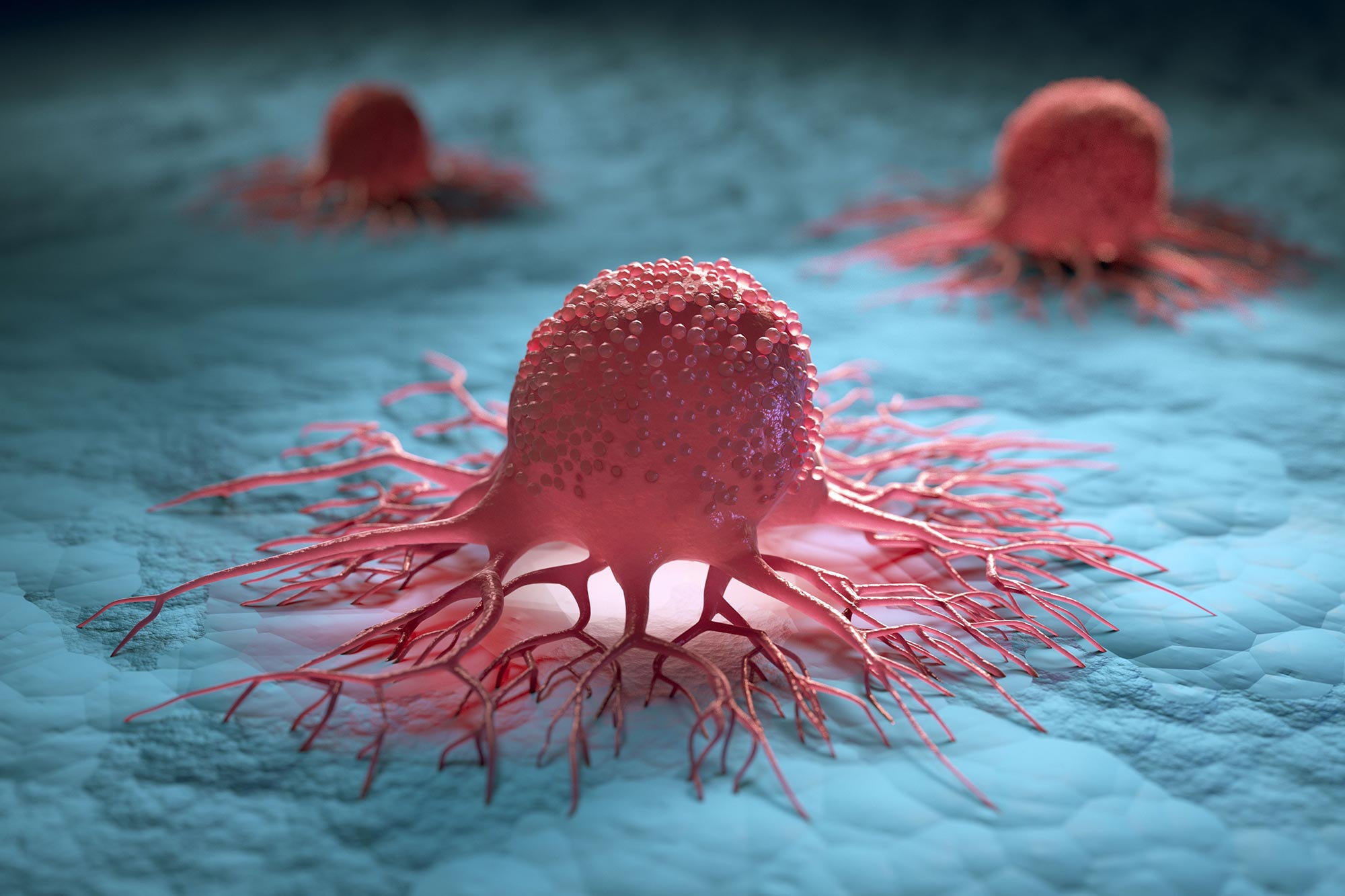
Summary of Cancer Mystery Solved: Scientists Discover How Melanoma Becomes “Immortal”:
Researchers at the University of Pittsburgh have identified a crucial genetic mechanism that allows melanoma cells to bypass aging and become “immortal.” They discovered that two mutations collaborate: one in the TERT gene, which produces telomerase, and another in the ACD gene, which produces a protein called TPP1 that aids telomerase function. Together, these mutations lead to unusually long telomeres—protective caps on chromosomes—allowing tumors to divide indefinitely.
This finding sheds light on melanoma’s ability to maintain chromosomal stability, especially under the stress of environmental factors like UV radiation. The study highlights potential new targets for cancer therapies by exploring the roles of both TERT and TPP1 mutations in promoting tumor survival. Future treatment strategies may focus on exploiting these mechanisms to combat melanoma and achieve better outcomes.
*****
Summary of Key Points:
- Recent discoveries reveal how melanoma cells achieve "immortality" through genetic mutations that protect their telomeres.
- Researchers identified a kinship between mutations in the TERT and ACD genes that collaborates to keep cancer cells dividing indefinitely.
- This breakthrough provides potential new directions for treatment by targeting telomere maintenance mechanisms in melanoma.
- The perseverance of researchers, particularly Pattra Chun-on, highlights the importance of curiosity and determination in scientific discovery.
The Mystery of Melanoma: Unraveling the Secrets of Cellular Immortality
Cancer presents one of the greatest mysteries of human health, and melanoma, in particular, garners attention for its unusual aggressiveness and complexity. This skin cancer, arising from melanocytes—the pigment-producing cells in your skin—often develops ominously, often leading to invasive tumors. A deep dive into recent scientific discoveries sheds light on how these cells seemingly defy the natural aging process and keep proliferating beyond their normal limits.
Scientists at the University of Pittsburgh School of Medicine have uncovered a partnership between genetic mutations that helps melanoma cells achieve a form of "immortality," allowing them to evade cell aging and death. These revelations not only deepen our understanding of melanoma but also hint at promising avenues for future therapies.
The Built-In Lifespan Limit of Human Cells
To appreciate the uniqueness of the findings, it’s crucial to grasp the basic biology underlying cell division. Each time a healthy cell divides, its telomeres—the protective caps at the ends of chromosomes—diminish. Picture shoelaces: just as the plastic tips prevent the laces from fraying, telomeres protect chromosomes from damage or fusion as cells divide. This gradual wear leads to a natural cessation of cell division known as replicative senescence.
In a healthy system, this act as a key line of defense against cancer. Yet, one of the first hurdles tumors must overcome is the ability to bypass this limit. Indeed, many cancers, including melanoma, manage to do so by reactivating telomerase—a crucial enzyme that replenishes these telomeres and extends cellular lifespan.
The Puzzle of Long Telomeres
Despite known mutations in the TERT gene that codes for telomerase—seen in about 75% of melanoma tumors—researchers were puzzled by the exceptionally long telomeres frequently observed in these cancer cells. Testing in lab settings did not yield the same results; the mutant genes alone weren’t extending telomeres as anticipated. This disclosed a secret: melanoma utilizes a hidden mechanism for maintaining telomere length—one that researchers had yet to uncover.
The Hidden Genetic Partner
The pivotal moment arrived when Pattra Chun-on, an internist and Ph.D. student in the Alder lab, shifted her focus to the ACD gene. This gene encodes TPP1, a telomere-binding protein that serves as part of the shelterin complex—essentially, a bodyguard for telomeres. By thoroughly examining melanoma mutation databases, Chun-on uncovered recurring mutations in the promoter regions of ACD, providing the needed control for gene expression.
These promoter mutations bore resemblance to previously known alterations that activate TERT. In effect, the dual mutations collaborated: one to bolster telomerase production, while the other enhanced the recruitment of telomerase to telomeres via TPP1. The collaborative nature of these genetic changes wielded more power than each could exert independently.
Persistence: The Key to Discovery
The real-world applications of this discovery stemmed from more than just scientific inquiry. Alder noted that Chun-on’s unwavering resolve played a key role in their breakthrough. Her dedication adorned the research with a tenacious spirit that pushed the boundaries of current understanding.
"There was a distinct thrill in realizing that remnants of previous biochemistry were playing out in clinical settings," Alder remarked. Chun-on shared in this excitement, noting a movement from mere hypothesis to poignant evidence of coordination between the mutations.
A Special Link Between Melanoma and Telomeres
Why do melanoma cells rely particularly heavily on telomere maintenance? Melanocytes endure routine exposure to ultraviolet radiation that inflicts DNA damage over time. This onslaught serves as a pressure cooker for mutations, compelling melanoma cells to effectively safeguard their chromosome integrity. The discovery of the ACD and TERT partnership mirrors the desperation within the melanocyte’s journey toward cancer; it suggests that once these cells achieve immortality, they unlock a pathway to aggressive malignancy.
Shaping Future Cancer Therapies
The implications are monumental. In a realm where most healthy cells have dormant telomerase, the revelation of their cooperating genetic partners sets the stage for new therapeutic outcomes. If researchers can effectively target these telomere maintenance mechanisms, we might just find a way to outsmart melanoma.
Researchers believe that the mutations in the ACD promoter are present in about 5% of cutaneous melanoma cases, often co-occurring with TERT mutations. This synergy points to a collaborative strategy that allows cancer cells to disregard the typical confines of cell division.
The Takeaway: Inspiration in Resilience
The unraveling of this intricate cellular deception reveals an inspiring tale not just of cancer biology but of human resilience and curiosity in research. It serves as a model for one of the most foundational aspects of scientific advancement—persistence in pursuit of understanding. Just as melanoma leverages genetic strategies to elude natural checks, the researchers involved displayed a collective determination to uncover the truth hidden within this deadly disease.
Every challenge—whether in the realm of science or in our personal lives—invites exploration, tenacity, and ultimate discovery. Let this narrative remind us that perseverance and a willingness to look beyond the obvious can yield not only answers but breakthroughs that push humanity’s understanding and capabilities forward.
What Lies Ahead
As scientists build on these findings, it’s critical for society to remain engaged with the advancements in cancer research. Each step taken toward understanding the mechanisms behind tumors such as melanoma brings us closer to solutions that may save countless lives.
If one thing is clear, it’s that as long as we invest in curious minds equipped with determination—individuals like Pattra Chun-on—the future will be rich with discoveries waiting to be unveiled. It reminds us all: every mystery holds within it an opportunity for growth, understanding, and hope.

