- The relationship between diet and longevity.
- The impact of metabolic health on cognitive function.
- The role of physical activity in overall wellness.
- Insights from Dr. Rhonda Patrick’s research on nutrition.
- Practical strategies for enhancing insulin sensitivity.
Dr. Rhonda Patrick, a well-respected figure in the field of health and nutrition, shares her insights on health and longevity through engaging discussions, including a notable exchange with Chris Williamson. Their dialogue centers on how various lifestyle components contribute to not just longevity but also cognitive function, emphasizing the interconnectedness of diet, exercise, and overall metabolic health.
One critical aspect they explore is the relationship between diet and longevity. Numerous studies consistently demonstrate that dietary patterns significantly influence lifespan and healthspan. Whole foods, rich in nutrients, offer protective benefits against chronic diseases. Foods such as fruits, vegetables, whole grains, and healthy fats provide essential vitamins and minerals. These compounds are known to combat oxidative stress and inflammation, which are key contributors to aging. Diets high in processed foods, on the other hand, are associated with various metabolic disorders, including obesity, diabetes, and heart disease.
Within this conversation, it is essential to detail the impact of metabolic health on cognitive function. Emerging evidence suggests that cognitive decline can be closely linked to metabolic diseases, particularly insulin resistance. Insulin is crucial not only for glucose metabolism but also plays a role in brain health. Disruptions in insulin signaling can lead to inflammation in the brain and contribute to neurodegenerative diseases like Alzheimer’s. It becomes imperative to maintain metabolic health through a balanced diet that supports insulin sensitivity, which can, in turn, enhance cognitive function.
Dr. Patrick emphasizes that physical activity is another cornerstone of health. Exercise has been shown to improve metabolic markers, support cardiovascular health, and enhance brain function. Regular physical activity encourages the release of brain-derived neurotrophic factor (BDNF), a protein linked to growth and maintenance of neurons. Higher levels of BDNF are associated with improved learning and memory. It’s clear that a combination of a nutritious diet and regular exercise creates a synergistic effect, fostering both physical resilience and mental clarity.
The dialogue between Dr. Patrick and Williamson also highlights specific insights from cutting-edge research on nutrition. Dr. Patrick advocates for a diet rich in polyphenols, compounds found in various plant-based foods that are known for their antioxidant properties. Polyphenols can ameliorate cellular stress and may enhance brain function. Sources such as berries, dark chocolate, and green tea are not only flavorful but also beneficial for overall health. Additionally, omega-3 fatty acids, prevalent in fatty fish, are vital for maintaining brain structure and function. These nutrients are crucial for supporting neuroplasticity, which is essential for learning and memory.
Practical strategies for enhancing insulin sensitivity also play a prominent role in the dialogue. Maintaining stable blood sugar levels is essential for metabolic health. This can be achieved through a combination of dietary practices and lifestyle modifications. Consuming complex carbohydrates, high in fiber, leads to gradual glucose release, preventing spikes in blood sugar. Including regular physical activity and resistance training can improve insulin sensitivity, making it easier for the body to utilize glucose efficiently. Mindful eating, portion control, and a focus on whole foods further support metabolic stability.
As dietary patterns gain more attention, it is crucial to recognize the role of micronutrients in these processes. Dr. Patrick’s insights suggest that micronutrient deficiencies—particularly in magnesium, vitamin D, and omega-3 fatty acids—can disrupt metabolic health. These deficiencies may lead to heightened inflammation and oxidative stress, further complicating the scenario for cognitive health. Therefore, individuals should consider their micronutrient intake and possibly supplement where necessary to ensure optimal health.
Furthermore, Dr. Patrick underscores the importance of sleep in relation to overall health. Sleep disturbances can exacerbate metabolic dysfunction and impair cognitive performance. Quality sleep helps to regulate hormones that control appetite, such as leptin and ghrelin. Chronic sleep deprivation can lead to increased cravings for high-sugar and high-fat foods, further worsening metabolic health. Creating a sleep-friendly environment, adhering to consistent sleep schedules, and practicing good sleep hygiene are essential strategies to foster restorative slumber.
Another interesting point discussed is the impact of social connections on longevity. Strong social networks and supportive relationships enhance mental and emotional well-being, which are equally important for achieving a long, healthy life. Interactions with friends and family positively influence lifestyle choices and can motivate individuals to adopt healthier habits.
Overall, the conversation between Dr. Rhonda Patrick and Chris Williamson serves as a valuable source of information for those seeking to enhance their health and longevity. By focusing on the integration of nutrition, physical activity, cognitive health, and social well-being, individuals can take actionable steps towards improving their overall health outcomes. The exploration of these topics leaves readers better equipped to make informed decisions about their lifestyle practices.
A comprehensive understanding of these themes enables individuals to recognize the role they play in their health. This insight fosters empowerment to adopt practices that not only promote longevity but also improve everyday cognitive function. The interconnectedness of these elements emphasizes the need for a holistic approach to wellness, tailored to individual needs and lifestyles.
With the wealth of research available, it’s evident that the choices one makes regarding diet, nutrition, and lifestyle profoundly influence health outcomes. The insights gained from dialogues like that of Dr. Rhonda Patrick and Chris Williamson are instrumental in shaping a future where informed decisions lead to healthier communities. Each step towards improving one’s diet and lifestyle can yield significant impacts—not just for individual health, but for society as a whole.
*****
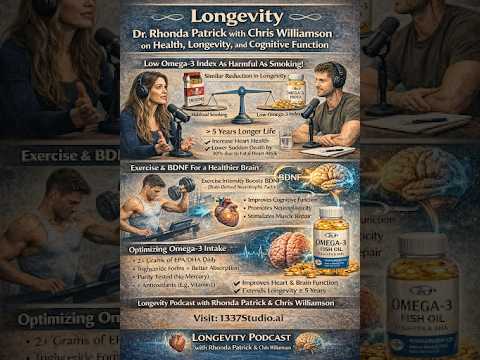
Source Description
Rhonda Patrick explains that having a low omega-3 index can impact life expectancy as negatively as smoking, while higher intake (around 2g+ daily) supports heart health, brain function, and longevity by improving cell membrane quality and increasing BDNF, which enhances cognition and neuroplasticity; she also notes that lactate produced during high-intensity exercise acts as a beneficial signal for brain and muscle adaptation, and recommends choosing omega-3 supplements in triglyceride form for better absorption and effectiveness.