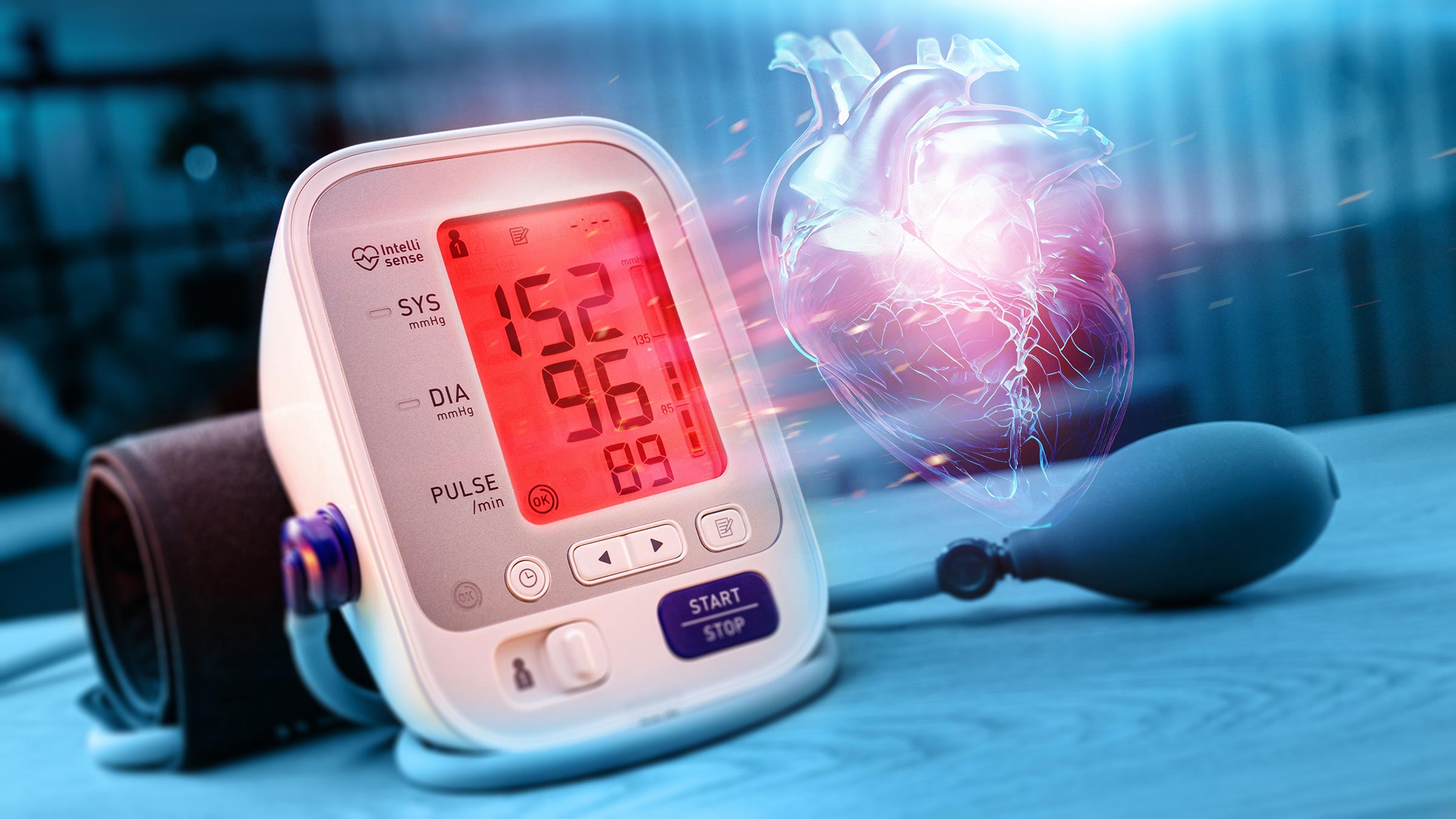
Summary of Your Blood Pressure Reading Could Be Wrong Because of One Simple Mistake:
A recent study by Johns Hopkins Medicine highlights that improper arm positioning during blood pressure measurements can significantly inflate readings, leading to inaccurate diagnoses of hypertension. Common positions—resting the arm on the lap or letting it hang unsupported—resulted in systolic pressure increases of 3.9 mmHg and 6.5 mmHg, respectively.
Accurate blood pressure readings are crucial, as hypertension can lead to serious health issues like heart disease and stroke. The study emphasizes the importance of following guidelines, which recommend keeping the arm supported at heart level. Many clinics often overlook this, leading to potential misdiagnoses.
The research, published in JAMA Internal Medicine, involved measuring blood pressure in various positions among 133 adults, showing that even minor changes can shift patients into higher risk categories. The findings also stress the necessity for patients to be mindful of their positioning when using home blood pressure monitors, as inaccuracies can create undue stress regarding health.
*****
Key Takeaways
- Blood Pressure Misreadings: A study reveals that incorrect arm positioning during blood pressure tests can lead to misleading readings.
- Common Mistakes: Many people may rest their arms improperly during at-home or medical checks, which can inflate blood pressure readings.
- Significance of Accurate Measurements: Small discrepancies in blood pressure figures can significantly affect an individual’s health assessment and can initiate unnecessary medication.
- Awareness is Key: Understanding the correct positioning can prevent misdiagnosis of conditions such as hypertension.
- Guidelines Matter: Adhering to clinical guidelines during measurements leads to more accurate health outcomes, both in clinics and at home.
The Hidden Impact of Blood Pressure Readings: Don’t Let a Simple Mistake Mislead You!
Imagine walking into your doctor’s office for a routine check-up. You sit, the nurse wraps the cuff around your arm, and—bam!—you get a reading. But what if that number is more fiction than fact due to a simple mistake? Recent research reveals that something as seemingly innocuous as where you position your arm can lead to inflated blood pressure readings, potentially shifting you into a higher risk category. The consequences? Unnecessary medication, anxiety, and a misperceived health status.
The Power of Proper Positioning
We often treat routine medical tests as mundane tasks, underestimating their significance. However, a study from Johns Hopkins Medicine demonstrates that arm positioning matters far more than previously understood. The researchers brought together participants aged 18 to 80 and examined their blood pressure readings across different arm placements. When participants rested their arms incorrectly—a common scenario in both clinical and home settings—the results revealed startling discrepancies in blood pressure measurements.
For example, when the arm was supported on the lap, systolic pressure jumped by an average of 3.9 mmHg. Letting the arm hang unsupported? That caused a hike of 6.5 mmHg. At first glance, you might think, "What’s a few millimeters of mercury?" The answer lies in understanding how blood pressure classifications work. A difference of just a few points can shift someone from a healthy category into a concerning zone, possibly leading to a diagnosis of hypertension.
Understanding Hypertension
Hypertension affects nearly half of U.S. adults, according to the American Heart Association, but many people remain unaware of their condition until they face severe health consequences. Blood pressure is a silent killer, often without symptoms until it’s too late. This makes accurate screening essential, and our positioning can mean the difference between an accurate assessment and a haired diagnosis.
So, what do you need to know? The standard recommendations suggest sitting upright, feet flat on the ground, and resting your arm on a table at heart level. Yet, how often do we adhere to these guidelines?
Real-Life Applicability: The Doctor’s Office
Many clinics don’t strictly follow these protocols. Patients may find themselves perched uncomfortably on exam tables without arm support, or they may rest their own arm in their lap during readings. Sometimes, a health professional might assist in holding the arm, but this too can introduce variables that skew the numbers.
It’s evident: to ensure accurate readings, both clinicians and patients must pay closer attention. This study shines a light on common missteps that could impact health screenings, emphasizing the importance of maintaining the recommended arm position during blood pressure checks.
The Home Monitoring Challenge
Now, let’s extend this conversation to the millions who monitor their blood pressure at home. It’s all too easy to lean back on the couch, relax, and forget about proper positioning. Arms may hang idly, or readings might be taken while reclining, leading to misleading results. These skewed measurements could generate unnecessary stress or induce doubts about the effectiveness of ongoing treatments.
Becoming aware of proper positioning isn’t just an academic exercise; it has real-life implications. How many times have you checked your blood pressure at home? Did you pay attention to how you were seated? The slight differences might not just be a minor inconvenience—they can warp your understanding of your health.
A Closer Look at Research
The original study included 133 adults with a diverse range of ages and health backgrounds. The findings were consistent across different groups, whether older adults or those struggling with obesity. Across the board, correctness in positioning significantly impacted the recorded blood pressure.
The implications are vast. A single miscalculation can lead to hospital visits or unnecessary anxiety about one’s health. But how can we foster change? With heightened awareness, both patients and healthcare providers can heed guidelines that call for adequate support during blood pressure checks.
Moving Forward: The Bigger Picture
Beyond just the numbers on that small screen, the message rings clear: proper technique is critical! Accurate readings not only shape individual health choices but also inform broader clinical practices. Given the shift toward precision in healthcare, implementing simplified yet accurate approaches to measuring blood pressure could help more patients get the care they need—without the risks associated with misdiagnosis.
Researchers advocate refining clinic protocols to avoid excessive wait times while ensuring the integrity of the measurements. The right positioning, the right arm support, and adherence to accurate practices go a long way.
Breaking Down the Data
Understanding the nuances in research allows us to draw better conclusions. For instance, while the study focused predominantly on automated blood pressure monitors, it’s vital to acknowledge that these findings underscore an overarching need for refinement in varied measurement devices. Whether using a digital monitor or traditional cuff, the principle remains the same: care should be taken in how assessments are performed.
A secondary follow-up study also examined how to streamline blood pressure checks without sacrificing accuracy, reinforcing the idea that both patient comfort and precise protocols should coexist in clinical settings.
Practical Takeaways
So, what are our takeaways? Whether you’re a patient trying to monitor your health or a healthcare provider in a bustling clinic, making small adjustments can lead to transformative outcomes:
-
Educate Yourself and Others: Both patients and providers should be informed about the significance of arm positioning during blood pressure tests.
-
Create a Routine: When measuring blood pressure at home or in the clinic, ensure the arm is supported at heart level and the body is properly aligned.
-
Question the Readings: If an unexpected rise in numbers occurs, consider other influencing factors like position, cuff size, or even pre-measurement habits.
-
Advocate for Better Practices: Whether you’re a patient or a health professional, advocating for proper measurement techniques not just benefits one individual—it promotes public health.
- Ask Questions: Don’t shy away from inquiring about how your blood pressure is being measured. A small conversation can make a world of difference!
Conclusion
In our fast-paced lives, it’s easy to overlook the subtleties of health management. But as we unravel the layers of common medical practices, it becomes abundantly clear that attention to detail can lead to profound improvements in well-being. Understanding that a single moment—like adjusting your arm’s position—can dramatically influence your health narrative opens up a realm of responsibility and awareness.
The impact of a simple error or oversight can resonate far beyond the walls of a clinic. Therefore, let’s collectively embrace the movement towards accuracy in health assessment. By fostering awareness and making informed choices, we empower ourselves and others for a healthier future. Remember, every small decision contributes to the larger canvas of health, and your awareness of simple errors can lead you toward a more precise understanding of your well-being.