Summary of Scientists Develop Bioengineered Chewing Gum That Could Help Fight Oral Cancer:
Researchers at the University of Pennsylvania, led by Henry Daniell, have developed a bioengineered chewing gum that effectively reduces levels of cancer-linked microbes in the mouth, including HPV and certain harmful bacteria. This innovative approach offers potential for cancer prevention and treatment, specifically targeting head and neck squamous cell carcinoma (HNSCC).
The gum, derived from lablab beans, contains a protein with antiviral properties and has shown to lower HPV levels by 93% and harmful oral bacteria, specifically Porphyromonas gingivalis and Fusobacterium nucleatum, to almost zero, while preserving beneficial bacteria. This contrasts with traditional treatments like radiation, which can harm beneficial microbes.
The findings suggest that this gum could serve as a low-cost adjunct therapy or preventive measure against oral cancers, highlighting the importance of developing new strategies in cancer treatment. The research is documented in the journal Scientific Reports.
*****
Summary Bullet Points
- Researchers have developed a bioengineered chewing gum that significantly reduces harmful microbes linked to oral cancer.
- The chewing gum utilizes lab-engineered bean extracts, showcasing potential for cancer prevention and treatment.
- Study findings reveal that the gum can lower levels of HPV by 93% and harmful bacteria by nearly complete elimination.
- This innovation offers hope as a low-cost, accessible treatment alternative alongside traditional therapies.
- The gum’s design prioritizes maintaining beneficial bacteria, setting it apart from conventional radiation therapies.
The Sweet Science of Oral Health: Chewing Gum as a Potential Lifesaver
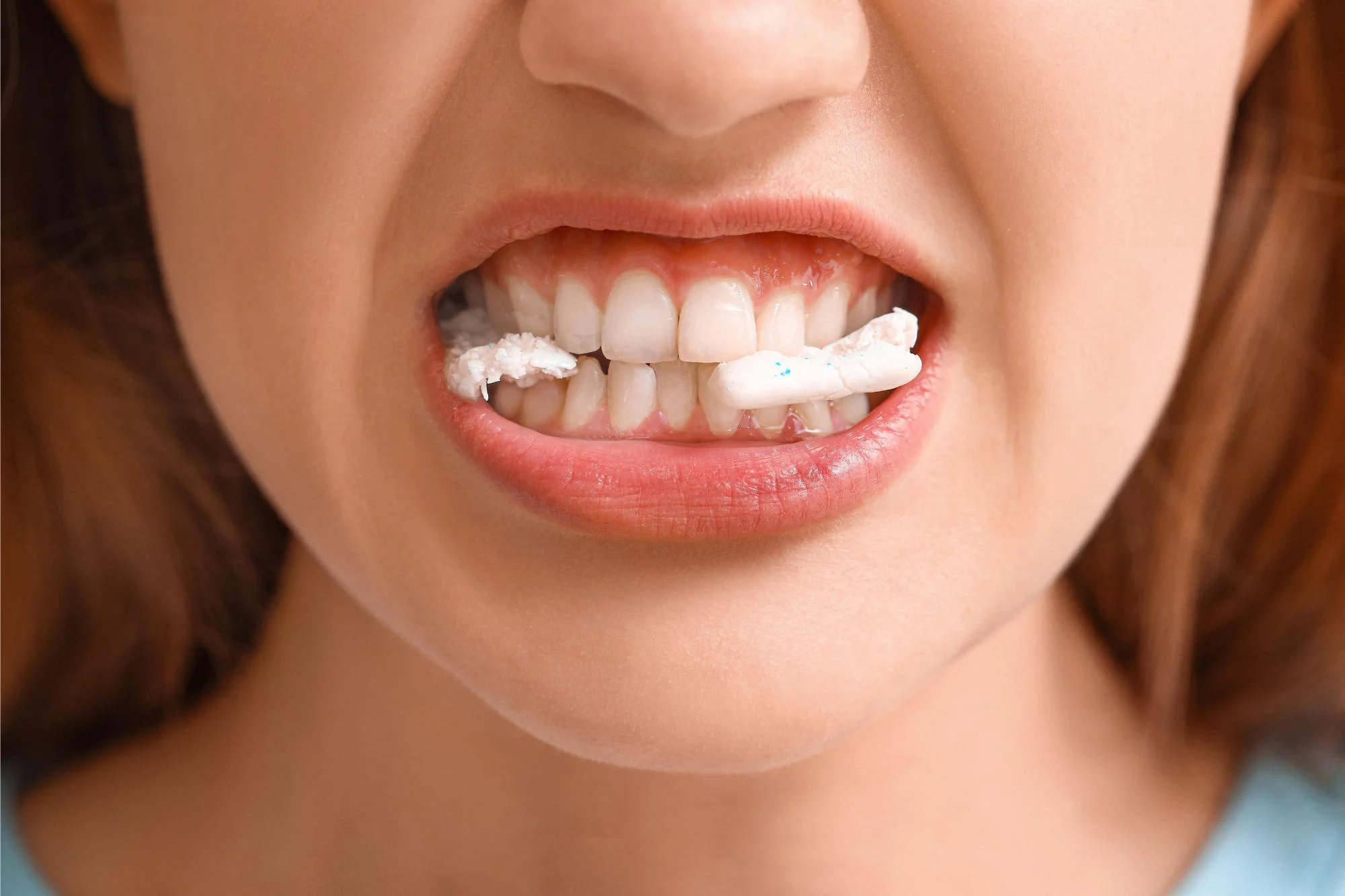
Imagine a simple act, woven into the fabric of our daily lives, like chewing gum, morphing into a small powerhouse against oral cancer. Yes, you read that right. Recent advancements have brewed something fascinating: a bioengineered chewing gum that wields the promise of fighting against oral cancer, marking an intriguing intersection of everyday habits and groundbreaking scientific discovery.
This revolutionary gum, developed by researchers at the University of Pennsylvania, is not just a confectionery delight but a formidable ally in the ongoing battle against head and neck cancers (HNSCC). The novelty lies in its ingredient—the gum is infused with extracts from lab-engineered beans, specifically crafted to drastically reduce harmful microbes that could otherwise spell trouble for oral health.
The Need for Innovative Approaches
Head and neck squamous cell carcinoma (HNSCC) is a daunting issue in oncology. With an increasing number of cases attributed to human papillomavirus (HPV) infections and other harmful bacteria, the stakes could not be higher. Often aggressive and linked to dismal survival rates when diagnosed late, HNSCC raises an urgent clarion call for innovative solutions.
Current options, while sometimes effective, often come with the cost of adverse effects that can diminish quality of life. Enter the bioengineered gum, providing not only a potential treatment but also a preventive measure. Researchers emphasize the necessity of novel strategies, citing that many recently approved cancer drugs have done little to enhance the overall quality of life or significantly extend survival rates.
Isn’t it inspiring to recognize how science can repurpose something as simple as chewing gum into a potential life-saving agent?
How Does It Work?
The brilliance of this bioengineered gum lies in its use of FRIL, a protein extracted from lablab beans that carries innate antiviral properties. In layman’s terms, while you chew, the gum actively works to reduce the bad actors in your mouth. It targets three notorious culprits associated with oral cancers: HPV, and the bacteria Porphyromonas gingivalis and Fusobacterium nucleatum.
In experiments, this ingenious gum reportedly reduced HPV levels by an impressive 93% in saliva and 80% in oral rinse samples. Even more astonishing is its ability to nearly eliminate harmful bacteria from the mouth without disrupting the beneficial bacteria that are essential for oral health.
Consider the implications: a single dose could create an environment where harmful bacteria simply can’t thrive, letting your body focus on its healing processes without the interference of unwanted microbes. How compelling is that?
The Path to Progress
The path wasn’t easy; it was paved with hard work and dedication from a team led by Henry Daniell. They meticulously analyzed samples from patients suffering from HNSCC, uncovering valuable insights into the intricate components of oral microbiology. By honing in on the dynamics of these three cancer-associated microbes, the researchers not only showcased the potential of the gum but also opened up discussions for future clinical trials aimed at further validating this novel approach.
Isn’t it uplifting to think that such advancements come from a place of curiosity and human perseverance? The researchers’ determination to unearth effective solutions brings a sense of hope for many who may feel pinned down by health challenges.
Going Beyond Treatment
What’s captivating about this research is the gum’s usability as both a treatment and preventive tool. Imagine if, instead of dreading routine screenings or invasive treatments, patients could simply chew their way to better health regularly. This accessibility is key—bioengineered gum offers a viable, easy-to-implement option that could be available to many.
With cancer being the seventh leading cause of death among adolescents, young adults, and middle-aged individuals globally, initiatives like these offer a beacon of hope. As scientists strive to advance therapy options into clinical trials, the focus shifts toward creating a preventive framework—one where cancer could potentially be staved off rather than merely treated.
Shifting the Paradigm
While we often rely on invasive procedures, medications, or therapies with daunting side effects to combat illness, here lies an example of how thinking outside the box can foster a healthier society. This bioengineered gum serves to remind us that innovation often sprouts from mundane origins.
With the advancements in this kind of research, one can envision a future where antimicrobial chewing gums become as ubiquitous as minty-flavored options currently found in stores. Wouldn’t it be something extraordinary if public health campaigns began to advocate for routine chewing as a means to prevent oral cancer?
An Engaging Community
As with any scientific breakthrough, engagement and awareness play crucial roles. The spread of information can empower communities, helping individuals make informed decisions about their health. With scientists actively working to advance these therapies, now is the time for both the scientific community and the general public to engage deeply with these discoveries.
Imagine conversations around the dinner table shifting towards health-friendly habits! Stories of family members who take charge of their dental hygiene could serve as inspiration for generations to come. It’s not only about good oral hygiene; it’s about taking steps towards a future that prioritizes health through innovation.
The Road Ahead
With the research backed by significant grant support from NIH and collaborative academic institutions, the journey towards clinical implementation seems promising. It fuels the imagination to think of what future updates and results might unveil. Could this gum become part of routine dental checkups? Will it redefine our approaches to oral health altogether?
For each of us, there’s a spark of motivation here. We can actively engage with the medical narratives that shape our lives. Explore nutritional choices, prioritize oral health, and advocate for research and development, understanding that every step counts toward a brighter, healthier future.
Your Role in Health Innovations
As you reflect on the significance of these scientific discoveries, think about your role in the broader health narrative. How can you apply these insights to your life? Perhaps it starts with simple actions—paying closer attention to oral health, exploring the latest developments in preventive care, or advocating for research in health seminars or community forums.
Remember, groundbreaking advances often arise from the most unanticipated sources. Let the story of this bioengineered gum inspire a proactive approach to health—where curiosity, innovation, and care intertwine to pave the way to a healthier society.
In your own life, take initiative. Advocate for health practices. Opt for preventive measures, and stay informed. Just as this bioengineered gum represents the confluence of science and everyday life, your choices can blossom into a brighter, healthier future for you and those around you.
Innovations are constantly surrounding us, and if we allow ourselves to remain curious, open-minded, and engaged, we may just find ourselves surprised by the simple wonders that science can unfold.
