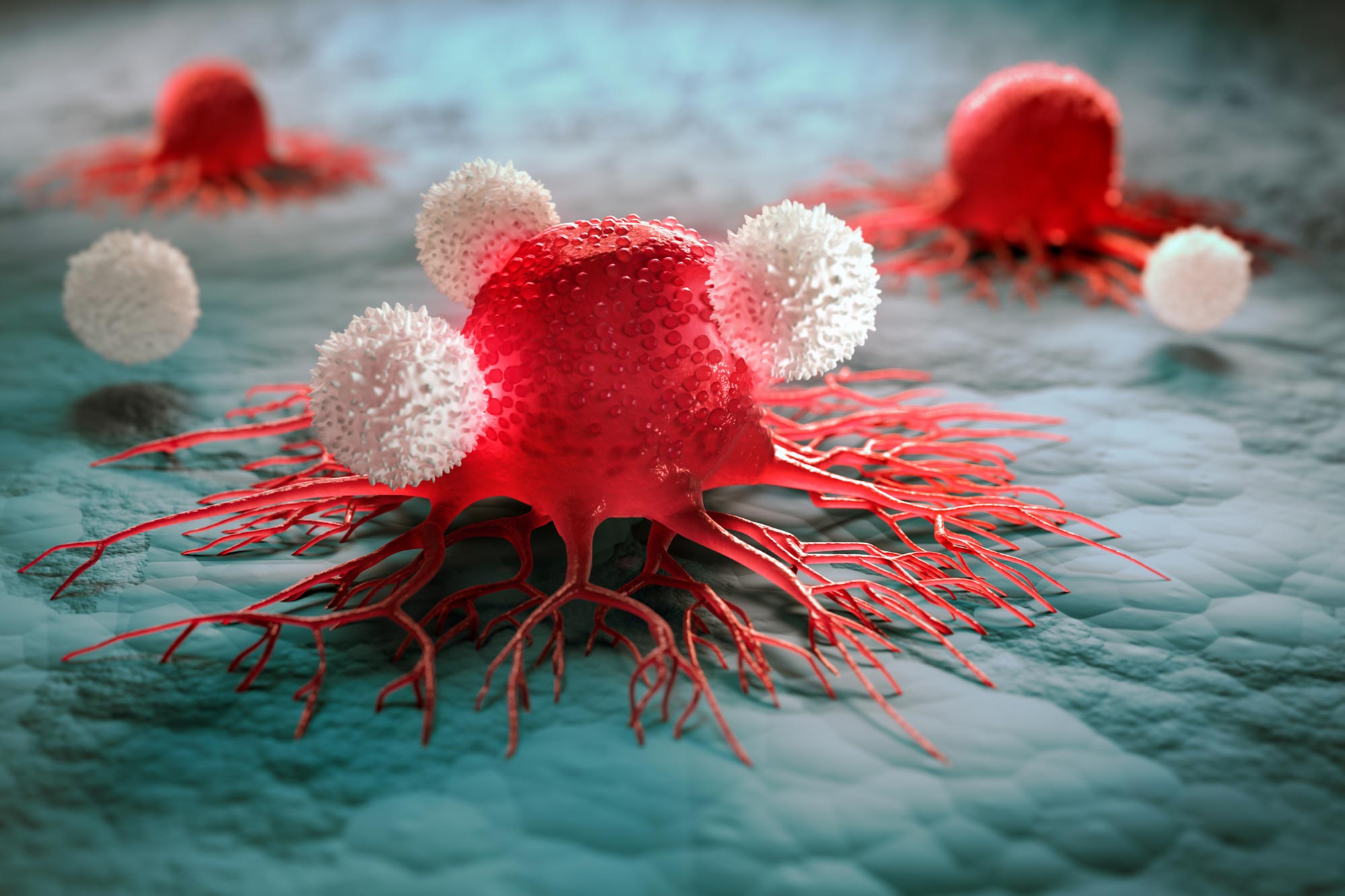
Summary of Milk Nanoparticles Could Revolutionize Treatment for Deadly Bile Duct Cancer:
Researchers at the Mayo Clinic are developing a novel approach to treat cholangiocarcinoma, a challenging bile duct cancer, by using milk-derived particles as a delivery system for gene therapy. Instead of traditional chemotherapy, these engineered nanoparticles carry small interfering RNA (siRNA) to directly target and disable cancer-driving genes. This targeted method aims to reduce harm to healthy tissue, as the particles are designed to specifically bind to cancer cells using DNA aptamers. Early results from preclinical studies show promise in decreasing tumor growth and increasing cancer cell death. The technology has been patented, and further research is underway to refine the therapy for personalized treatments.
*****
Key Highlights
- Innovative Approach: Researchers at the Mayo Clinic are exploring the use of milk nanoparticles as microscopic delivery systems for targeted gene therapy in treating cholangiocarcinoma, a deadly bile duct cancer.
- Gene Therapy Breakthrough: The therapy employs small interfering RNA (siRNA) to precisely turn off cancer-driving genes while sparing healthy tissue, marking a shift from conventional chemotherapy.
- Targeted Delivery: By leveraging DNA aptamers, scientists honed a method to ensure that therapy effectively reaches cancer cells, leading to reduced tumor growth and increased cancer cell death without harming surrounding tissue.
- Future Prospects: While still in preclinical stages, this approach aims for personalized treatments, bringing hope to patients with few existing options.
- Collaboration and Funding: Supported by various Mayo Clinic departments and research programs, this study reflects a concerted effort to push forward innovative cancer treatment technologies.
Milk Nanoparticles: A Promise for Change in Cancer Treatment
When we think about groundbreaking treatments, our minds often leap to complex and high-tech solutions. Yet, in an age overflowing with technological advancement, we may find revolutionary possibilities in the most unexpected places. Mayo Clinic scientists are diving into an astonishing area: the use of milk nanoparticles to deliver gene therapy aimed at treating cholangiocarcinoma, a rare but deadly bile duct cancer. Yes, you read that right—milk. How exactly can something so commonplace transform cancer treatments? Let’s delve deeper.
Rethinking Cancer Remedies
Cholangiocarcinoma may not be as commonly recognized as breast or lung cancer, but this rare bile duct cancer often goes undetected until it’s too late, presenting significant challenges in treatment options. Here lies the core of the problem: existing medications have limited effectiveness against this aggressive disease. Mayo Clinic researchers are sharpening their focus on a revolutionary approach that seeks to dismantle cancer at its very root. Imagine turning the tides by using an everyday substance—milk—to revolutionize how we administer therapy to combat this villainous disease.
Harnessing the Power of Milk Fat
Milk is not just a nutrient-rich beverage; its fats hold immense potential. Researchers engineered tiny particles derived from these fats to serve as delivery vehicles for genetic material—specifically, small interfering RNA (siRNA), molecules adept at silencing genes associated with tumor growth. The significance of this lies in the capability of siRNA to target alterations in cancer cells without harming nearby healthy tissue. Conventional chemotherapy often affects both malignant and non-malignant cells, leading to harsh side effects and diminished quality of life. In stark contrast, the milk nanoparticle approach zeros in on the cancer itself.
The Mechanism: A Dance of DNA and Delivery
So, how does this innovative chemical ballet take place? The journey begins with a meticulous exploration of a staggering 600 trillion DNA sequences! Amid this vast library, researchers employed a technique called Cell-SELEX to pinpoint particular molecules—the aptamers—that could latch onto cholangiocarcinoma cells. Think of an aptamer as a skilled archer—carrying an arrow (the therapeutic payload) that is fated to hit its target.
The team then affixed these aptamers to the fat-based nanoparticles. With these two components united, the result is a targeted delivery system that not only carries genetic material inside the cancer cells but does so with remarkable precision. This crafting of the milk nanoparticle conduit resonates with the timeless idea of “making every shot count.”
Impact on Cancer Growth
The outcome of this groundbreaking research has been promising. Researchers observed that when siRNA reaches the cancer cells using this specialized delivery mechanism, it leads to a decrease in cancer growth and increases the death rate of the cancer cells—all while sparing surrounding healthy tissues. Imagine a surgeon who meticulously performs a procedure without leaving scars. The hope is that this therapeutic approach may someday represent that level of accuracy, bringing relief to patients in what often feels like a daunting journey.
Looking Forward: A Personalized Future
As we navigate the landscape of cancer research and treatment, it becomes imperative to envision a future where therapies are not only effective but also tailored to the individual. The journey of this research is still in its early stages, resting comfortably in the realm of preclinical trials. However, the Mayo Clinic has already taken the essential step of patenting this technology. Researchers actively continue refining the gene targets and experimenting with this method across various types of cholangiocarcinoma.
This entire endeavor embodies hope, not just for patients battling cholangiocarcinoma but for the future of personalized medicine as a whole. “These advances bring real hope,” said Dr. Rory Smoot, one of the leading researchers. This sentiment reverberates throughout the oncology community and among the countless souls affected by the ravages of cancer.
Unity in Research and Innovation
The collaboration among various departments of the Mayo Clinic has significantly propelled this research forward. Funded by the Mayo Clinic RNA Discovery and Translation Program, the Department of Surgery, the Hepatobiliary SPORE NCI, and more, the fusion of insights and resources creates a fertile environment for innovative treatments to blossom. It’s a resounding call to action for researchers everywhere: pooling knowledge and expertise can yield transformative results.
The Human Element in Science
Yet, amid this scientific marvel lies a potent reminder of the humanity intertwined with the research. Behind these scientific breakthroughs are individuals—patients grappling with despair, families offering vital support, and healthcare professionals dedicating themselves to fighting one of the most relentless foes known to humankind. Within the sterile confines of laboratories and clinical trials exist stories of resilience, love, and hope. These anecdotes fuel the relentless pursuit for advancements in medical science, reminding us that the heart of research is not merely in the data but in the lives it seeks to uplift.
An Invitation to Embrace Change
To stand on the edge of such promises in cancer treatment is to embrace change wholeheartedly. Those of us who champion progress can draw lessons from this story. Navigating our unique battles requires an unwavering belief that innovative solutions can emerge, even when the odds seem insurmountable. Much like how Mayo Clinic’s researchers are experimenting with milk to combat cancer, we too can examine our lives for unique tools capable of redefining our challenges.
Conclusion
The world of medicine, much like life, is an intricate web of unpredictability and potential. The road ahead may be laced with challenges, but as we continue to stretch the boundaries of what is possible, let us remain inspired by innovations like the milk nanoparticles that could potentially change the way devastating diseases are treated. After all, finding radical solutions often requires a commitment to thinking differently, breaking down barriers, and embracing the unknown.
So let’s encourage curiosity, harness knowledge, and create spaces where ideas can flourish. Every challenge holds the potential for transformation. It’s our job to seek it out and foster an environment where hope continues to thrive. The story of the milk nanoparticles is not just a tale of scientific progress; it’s an anthem for anyone facing their own ‘cholangiocarcinoma’—a reminder that with creativity, collaboration, and a bit of daring, we can summon hope when it’s needed most. Transcending limitations, we can essentially redefine what is possible.
