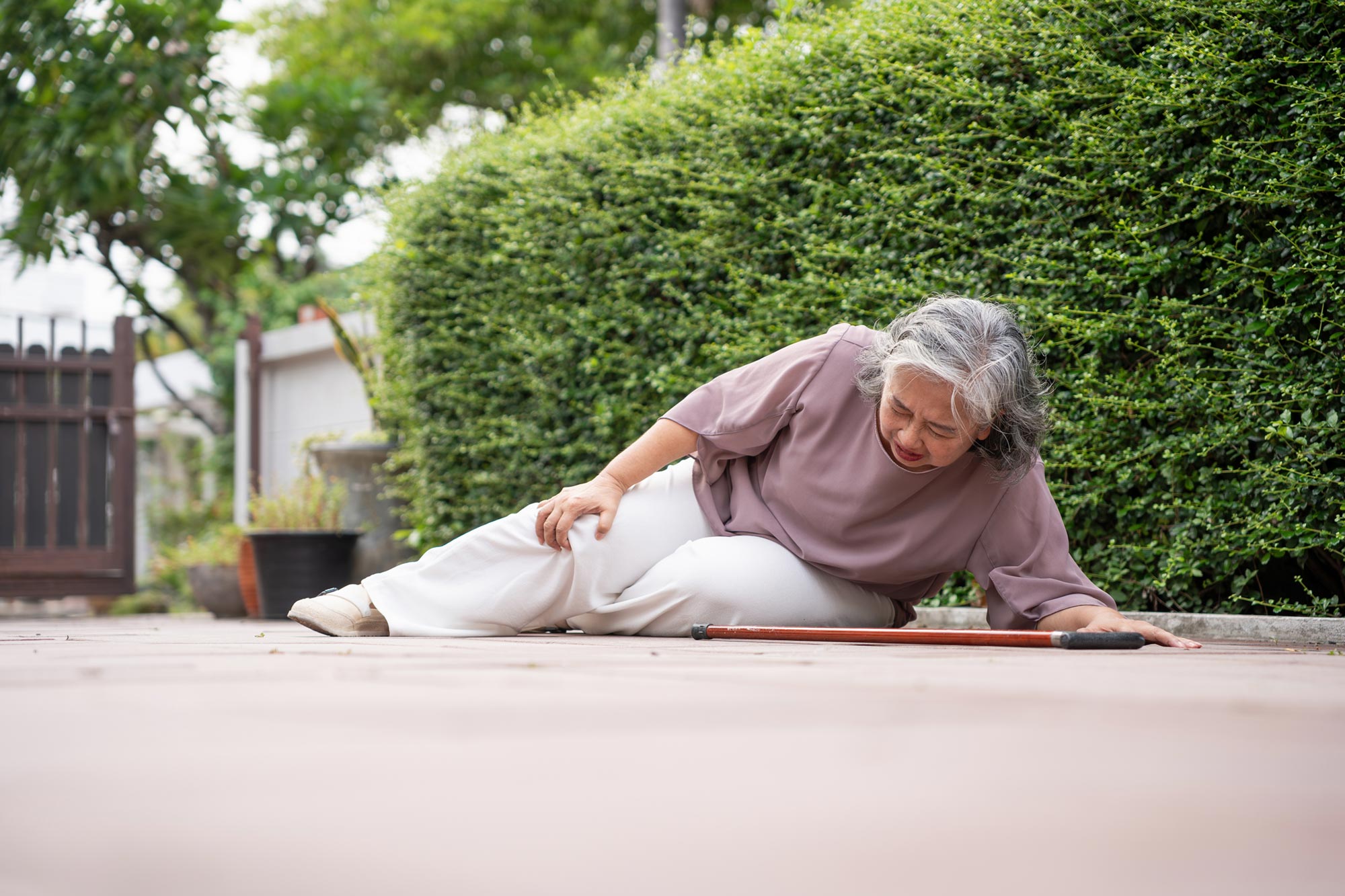
Summary of The Surprising Reason Balance Gets Worse With Age and Parkinson’s:
Researchers from Emory University, led by Lena Ting, studied how aging and Parkinson’s disease affect balance recovery. They found that older adults, whether or not they have Parkinson’s, exhibit stronger brain signals and increased muscle activity during minor balance challenges. This heightened effort paradoxically leads to less effective balance recovery. The study suggests that assessing muscle activity could help predict fall risks, potentially aiding in early interventions for those at risk. Findings were published in eNeuro on March 23.
*****
Summary Bullet Points:
- Aging and Parkinson’s disease impact the brain’s and muscles’ ability to maintain balance.
- Older adults activate more brain signals and muscle activities during minor balance disturbances.
- Increased muscle stiffness and simultaneous contraction of opposing muscles impair balance recovery.
- The findings could lead to new methods for predicting fall risks in vulnerable populations.
- Early detection of balance issues may allow targeted training to prevent falls.
The Surprising Reason Balance Gets Worse With Age and Parkinson’s Disease
Navigating through life, we often take balance for granted—until that moment when it falters. Life has a way of reminding us how fragile our physical stability can be, especially as we age or when faced with conditions like Parkinson’s disease. But have you ever stopped to wonder why balance becomes more elusive with age? Scientists are unraveling a fascinating enigma that strikes at the core of our physical capabilities.
A recent study from Emory University, led by Lena Ting, digs deep into the neurological and muscular intricacies shaping our ability to stay upright. What their findings reveal might shift how we perceive balance, especially in older adults and those battling Parkinson’s.
The Two-Stage Balance Recovery Framework
The journey into understanding balance begins with some insightful research on younger adults, where two pivotal responses unfold. When faced with sudden instability—say, when a rug unexpectedly slides from beneath them—there are two distinct stages of recovery. First, an immediate, instinctual reaction from the brainstem and muscles kicks in. Next comes a more cerebral, engaged response that involves deeper brain activity when the challenge intensifies.
Now, what happens when we age? The answer isn’t so straightforward. Older adults, particularly those grappling with Parkinson’s, appear to ramp up muscle engagement and brain signals even for minor disturbances. This reaction might seem sensible, yet paradoxically, this increased energy expenditure hampers balance recovery—an ironic twist that can dramatically heighten the risk of falls.
The Mechanisms Behind the Decline
One of the most surprising aspects of this new research is how the brain and muscles collaborate—or rather, how they can unhelpfully conspire. When older individuals attempt to regain their balance, a curious phenomenon arises: they’re often in a state of muscled tension. When one muscle group activates to stabilize the body, its opposing muscle tightens simultaneously. This increase in stiffness diminishes fluid movement, which can lead to a compromise in one’s ability to recover balance effectively.
The relationship between brain engagement and muscular response is complex. As our bodies age, the signaling mechanism that should ideally promote smooth, quick movements falters. The interplay of muscle tension and brain effort becomes a dance of difficulty instead of harmony—a vital insight into why maintaining balance becomes harder with age.
A Beacon of Hope: Predicting Fall Risk
While the decline in balance may seem daunting, the silver lining lies in the potential for prediction and prevention. Ting’s team suggests that the findings could pave the way for clinical methods to detect increased fall risks. Imagine a scenario where healthcare providers could assess an individual’s muscle activity during a distressing balance event, such as having a rug pulled out from under them. This quick evaluation could provide crucial insights into a person’s balance stamina.
Future advancements in this technique could empower clinicians to identify those at risk of falling. Such early detection would open the door for tailored exercise regimes and balance training, fundamentally changing how we approach fall prevention in older adults and individuals with Parkinson’s.
Embracing Change: An Action-Oriented Approach
Understanding the nuances of aging and how they affect balance is just the beginning. How can we actively translate this knowledge into tangible action? The answer lies in embracing a proactive mindset and harnessing the resources available to us.
1. Engage in Regular Balance Training:
Incorporating balance exercises into your daily routine can be empowering. Simple activities, such as standing on one leg, engaging in yoga, or balancing exercises can enhance your ability to stabilize your body, making it less likely for you to experience falls.
2. Use Technology Wisely:
Various apps and devices are designed to improve balance and coordination. Many of these tools provide guided workouts specifically focused on enhancing stability. If you’re tech-savvy, consider integrating them into your health regimen.
3. Invest in Strength Training:
Strengthening major muscle groups can significantly improve your overall balance. The integrative function of your muscles will aid in stabilizing your body when unexpected challenges arise, such as an uneven surface or a sudden shift in weight.
4. Mind Your Environment:
Being aware of your surroundings is crucial. Minimize risks in your immediate space by keeping floors clutter-free, using appropriate lighting to avoid shadows, and installing handrails where necessary. Creating a secure environment can significantly reduce fall risks.
5. Community Support and Engagement:
Participating in group activities can provide both motivation and a sense of belonging. Whether it’s joining a senior fitness class or taking a dance lesson, engaging with others fosters accountability. Moreover, sharing experiences with peers can help you learn strategies from those who may have faced similar challenges.
Intriguing Facts About Balance
Let’s spice things up with some fascinating tidbits about the science of balance:
-
Balance Isn’t Just Physical: Our sense of balance is remarkably interconnected to our vision and inner ear (vestibular system). This complex relationship allows us to maintain stability even in challenging conditions.
-
Age and Reaction Time: As we age, not only does our strength diminish, but our reaction times slow down too. This dual compromise can create a perfect storm for imbalance and falls.
-
Neuroplasticity and Balance: The brain is remarkably adaptive. Engaging in new learning experiences—like picking up a new sport or instrument—can enhance neuroplasticity, potentially improving balance.
- Nutrition Matters: How we fuel our bodies impacts not only our muscular strength but also our cognitive functions, which in turn affect balance. Proper nutrition is an ally in maintaining mental agility and physical health.
Conclusion: Journeying Through Balance
While the reality of aging and conditions like Parkinson’s presents challenges to our balance, the interplay between our brain, muscles, and environment opens up avenues for proactive interventions. The understanding that more activity and engagement might lead to poorer balance should inspire us to rethink our strategies—not just for ourselves, but for loved ones who may be at risk.
We might not control the aging process or disease progression, but we can certainly take intentional steps towards improvement. Balance is more than a physical state; it’s a metaphor for life, filled with ups, downs, twists, and turns. By equipping ourselves with knowledge and actionable steps, we can foster resilience and maintain our footing as we navigate through each stage of life.
Embrace the journey, stay curious, and remember: every step is a chance to regain balance—not just in body but in life itself.