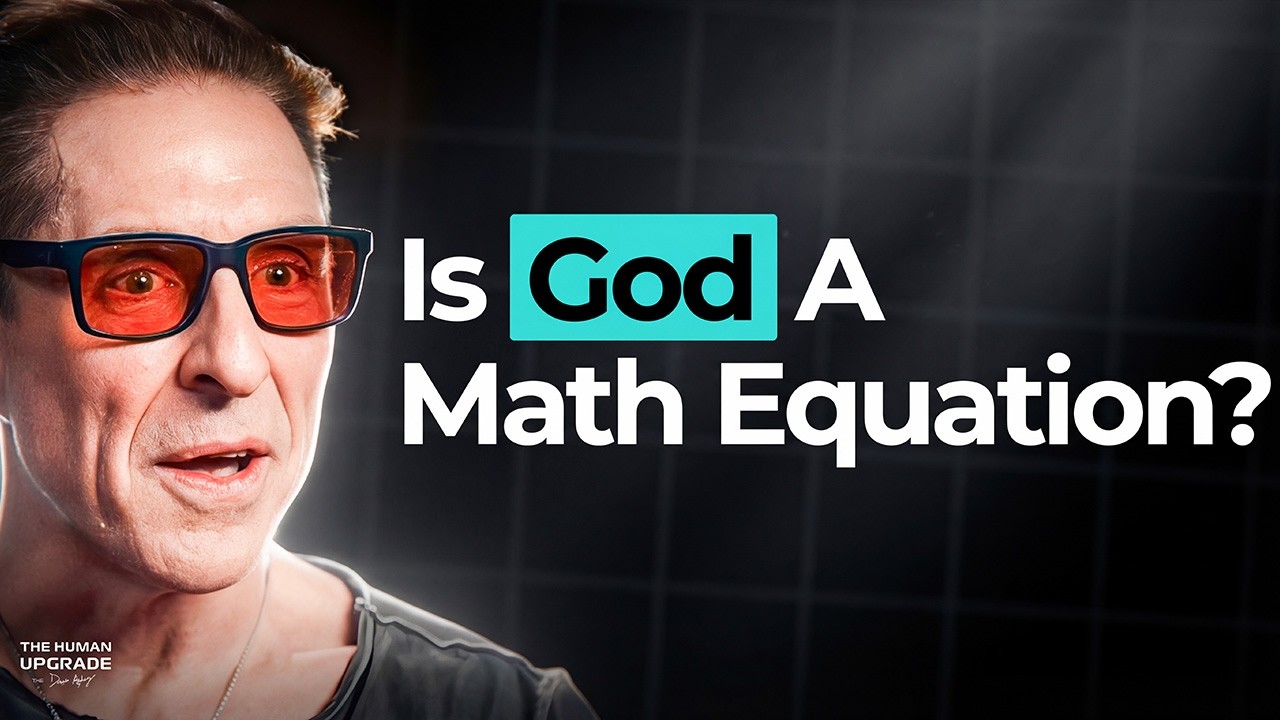
- The concept of humans as "mystical meat robots"
- The biological basis of human functioning
- The interconnectedness of nutrition and metabolic processes
- The implications of insulin sensitivity for health
- The role of consciousness in human experience
The phrase "humans are just mystical meat robots" invites exploration into the biological mechanisms that govern human life. This analogy suggests that, like machines, humans operate through intricate systems of inputs and outputs, driven by both physical components and abstract processes. While comparing humans to robots may seem reductionist, it opens the door to understanding the complex interplay of biology, nutrition, and consciousness that defines human existence.
At the core of this concept is the understanding that human beings are biological entities composed of various systems that interact in numerous ways. From the cellular level to the larger organs, each aspect of human biology contributes to overall health and functionality. The body functions based on electrical impulses, hormonal signals, and biochemical reactions that resemble the operations of a sophisticated machine. These systems and processes can be understood through scientific principles.
For instance, the nervous system transmits signals that guide movement and response to environmental stimuli, while the endocrine system regulates hormones that affect mood, metabolism, and growth. This integration of systems is crucial as it establishes the foundation for how humans respond to their environment, both physically and emotionally.
Nutrition plays a critical part in these biological systems. Food provides the building blocks for cellular function and energy production. Macronutrients, such as carbohydrates, proteins, and fats, serve as fuel for biological processes. Micronutrients, including vitamins and minerals, support various biochemical reactions essential for health. The balance of these nutrients directly influences metabolic pathways, which can determine the predisposition to various health issues.
Adopting a diet rich in diverse, whole foods fosters an optimal biological environment. This approach is significant for anyone aiming to maintain good health, as different nutrients support different systems. For example, Omega-3 fatty acids are vital for brain health, while fiber is key for digestive function. Poor nutrition can lead to metabolic diseases, showcasing how essential dietary choices are to the human "machine."
Insulin sensitivity further illustrates the connection between nutrition and human functionality. Insulin is a hormone produced by the pancreas that regulates glucose uptake and storage in cells. High levels of refined sugars and unhealthy fats can lead to insulin resistance, where cells no longer respond effectively to insulin. This condition increases the risk of developing type 2 diabetes, among other metabolic disorders. Understanding insulin sensitivity helps us appreciate the importance of maintaining a balanced diet to prevent diseases.
In contrast, a diet rich in whole foods, healthy fats, lean proteins, and fiber enhances insulin sensitivity. Research shows that increased physical activity and maintaining a healthy weight also contribute to better insulin response. These factors highlight a broader truth: the dietary choices made every day produce significant effects on bodily functions, influencing everything from energy levels to chronic disease development.
The philosophical aspect of humans as "meat robots" invites curiosity about consciousness. While humans operate through biological systems, the subjective experience of life—thought, emotion, and awareness—sets us apart from machines. This leads to questions about free will and the role of consciousness in guiding decisions regarding nutrition and health.
Humans often grapple with choices that affect their health. Psychological factors, such as stress, emotional state, and societal influences, play an important part in dietary habits. This dynamic interplay of biology and psychology further complicates the concept of humans as mere machines, as it underlines the complexities surrounding choices and behaviors regarding nutrition.
The realization that individuals have agency in managing their health underscores the importance of education and awareness. Promoting healthy dietary habits can empower people to make informed choices that benefit metabolic health and overall well-being. Public health initiatives aimed at making nutritional information accessible can be instrumental in changing behaviors and improving health outcomes.
Furthermore, understanding the biological aspects of humans allows for more effective communication regarding health and nutrition. People are more likely to change behavior when they comprehend the "why" behind the recommendations. Educational materials that clarify how food affects metabolism and insulin sensitivity can offer both motivation and insight.
In more technical terms, the concept of "mystical meat robots" also brings to light the influence of genetics on health. Genetic predispositions can interact with lifestyle choices, thereby influencing metabolic health. For instance, individuals with a family history of diabetes may need to be more vigilant about their dietary choices, particularly concerning sugar and carbohydrate intake.
Behavioral change is indeed possible, even for those genetically predisposed to metabolic diseases. Through lifestyle modifications, including dietary adjustments and regular exercise, individuals can mitigate their risk and improve overall health. This aligns with the view that while biological systems can appear mechanistic, the human body’s potential for adaptation and improvement reflects a dynamic interaction between genes and environment.
As we explore the concept of humans as intricate systems, it’s crucial to consider the implications for broader public health. Chronic diseases linked to poor nutrition and inactivity have become significant concerns in many communities. Addressing these issues requires collaborative efforts among healthcare professionals, educators, and policymakers to create environments that promote better dietary practices and physical activity.
Communities can implement outreach programs focused on nutrition education, cooking classes, and guided exercise sessions. Such initiatives not only equip individuals with knowledge but also create supportive environments conducive to healthier choices. These community health strategies harness the understanding that biological and social factors intertwine, impacting human health.
In examining the role of culture, it becomes evident that dietary practices are often shaped by societal norms and traditions. Awareness of cultural influences enables professionals to tailor nutritional guidance effectively, recognizing that a one-size-fits-all approach may not suffice. Food choices can hold emotional and cultural significance; understanding this can lead to more respectful and effective health interventions.
By promoting an inclusive conversation around nutrition, communities can dismantle barriers that prevent people from making healthier choices. Encouraging dialogue about insulin sensitivity and metabolic health fosters an environment where individuals feel empowered to share their stories and challenges related to diet and well-being.
The principle that humans are more than mechanical constructs embodies the rich tapestry of human experience. Instead of merely relying on biological imperatives, the interplay of culture, consciousness, and the environment creates a holistic view of health. Recognizing that humans have the capability to adapt, learn, and evolve alongside their biological systems offers incredible potential for improving public health outcomes.
This dynamic interplay, exemplified by the human body’s response to nutrition and activity, emphasizes the need for a multifaceted approach to health. It advocates for comprehensive education on dietary practices, individualized treatment plans, and community support systems.
Understanding humans as intricate biological structures, capable of transformation and influenced by various factors, provides an empowering perspective. With definitive choices regarding diet and lifestyle, individuals can navigate their health journeys more consciously. This knowledge not only supports the argument of humans as "mystical meat robots" but serves as a testament to the complexity and beauty of life itself.
*****
Source Description
What if understanding how AI thinks could reveal uncomfortable truths about how your own brain works, and give you powerful tools to make smarter decisions, resist manipulation, and upgrade your cognition at the root level?
Host Dave Asprey sits down with Tom Griffiths, the Henry R. Luce Professor of Information Technology, Consciousness, and Culture in the Departments of Psychology and Computer Science at Princeton University. Griffiths directs Princeton’s Computational Cognitive Science Lab, a research group focused on understanding the mathematical foundations of human cognition, and the Princeton Laboratory for Artificial Intelligence. He is the coauthor of Algorithms to Live By and the author of the new book The Laws of Thought, and his award-winning research has appeared in Science, Nature, and the Proceedings of the National Academy of Sciences.
Together, Dave and Tom go deep on the cognitive science behind human performance, brain optimization, and the surprising overlap between biohacking and artificial intelligence. They explore why your body filters reality before your conscious brain ever sees it, how your mitochondria function as a distributed cognitive network, and what that means for longevity, decision-making, and neuroplasticity.
You’ll Learn:
-Why AI models reveal that humans may be more “stochastic parrots” than we’d like to admit
-How your mitochondria pre-process sensory reality before your auditory cortex even fires
-Why emotions like anger, love, and remorse are computational tools evolution built into your reward function
-How low energy and blood sugar directly degrade your decision-making at a hardware level
-What “resource rationality” means and how to use it to make better decisions under constraint
-Why AI systems have measurable psychological personalities, and which ones are least likely to mess with your head
-How neuroplasticity can eliminate the inner critic and reshape your mental operating system
-Why two-process cognition (fast and slow thinking) is a feature, not a bug, of human intelligence
Resources:
• Get Tom’s new book: https://www.amazon.com/Laws-Thought-Quest-Mathematical-Theory/dp/1250358353
• Get My 2026 Clean Nicotine Roadmap | Enroll for free at https://daveasprey.com/2026-clean-nicotine-roadmap/
• Dave Asprey’s Latest News | Go to https://daveasprey.com/ to join Inside Track today.
Thank you to our sponsors!
-BEYOND Biohacking Conference 2026 | Register with code DAVE300 for $300 off https://beyondconference.com
-Essentia | Go to https://myessentia.com/dave and use code DAVE for $100 off The Dave Asprey Upgrade.
-Quantum Upgrade | Try it free for 15 days — no credit card required — at https://quantumupgrade.io/?coupon-code=DAVE Simple. Powerful. Backed by data.
-Go to https://www.timeline.com/partners/dave-asprey and save 20% with code DAVE20
Timestamps:
00:00 – Introduction
00:59 – Tom’s Background & Chronic Fatigue
10:22 – Mathematics of Mind
12:43 – Memory and Emotion
15:29 – Decision Making Under Constraints
21:10 – Computational Problems of Consciousness
26:14 – Meat Robots vs Stochastic Parrots
29:21 – Emotions: Game Theory
35:39 – Dual Systems: Model-Based vs Model-Free
39:22 – Mitochondria and Consciousness
50:00 – Testing AI Like Humans
52:11 – Choosing AI Models
57:14 – AI Research Questions
Connect with Dave Asprey!
Website: https://daveasprey.com
TikTok: https://www.tiktok.com/@daveaspreyofficial
Instagram: https://www.instagram.com/dave.asprey/
Facebook: https://www.facebook.com/Daveaspreyofficial/
X: https://x.com/daveasprey
YouTube: https://www.youtube.com/c/daveaspreybpr
The Human Upgrade Podcast: https://www.instagram.com/TheHumanUpgradePodcast/ https://m.facebook.com/Thehumanupgrade/
Danger Coffee: https://dangercoffee.com/DAVE15
Dave Asprey’s BEYOND Conference: https://beyondconference.com/
Dave Asprey’s New Book – Heavily Meditated: https://daveasprey.com/heavily-meditated/
Dave’s favorite supplements: https://www.shopsuppgradelabs.com/discount/DAVE15
Join my Substack: https://substack.daveasprey.com
Upgrade Labs: https://upgradelabs.com
40 Years of Zen: https://40yearsofzen.com