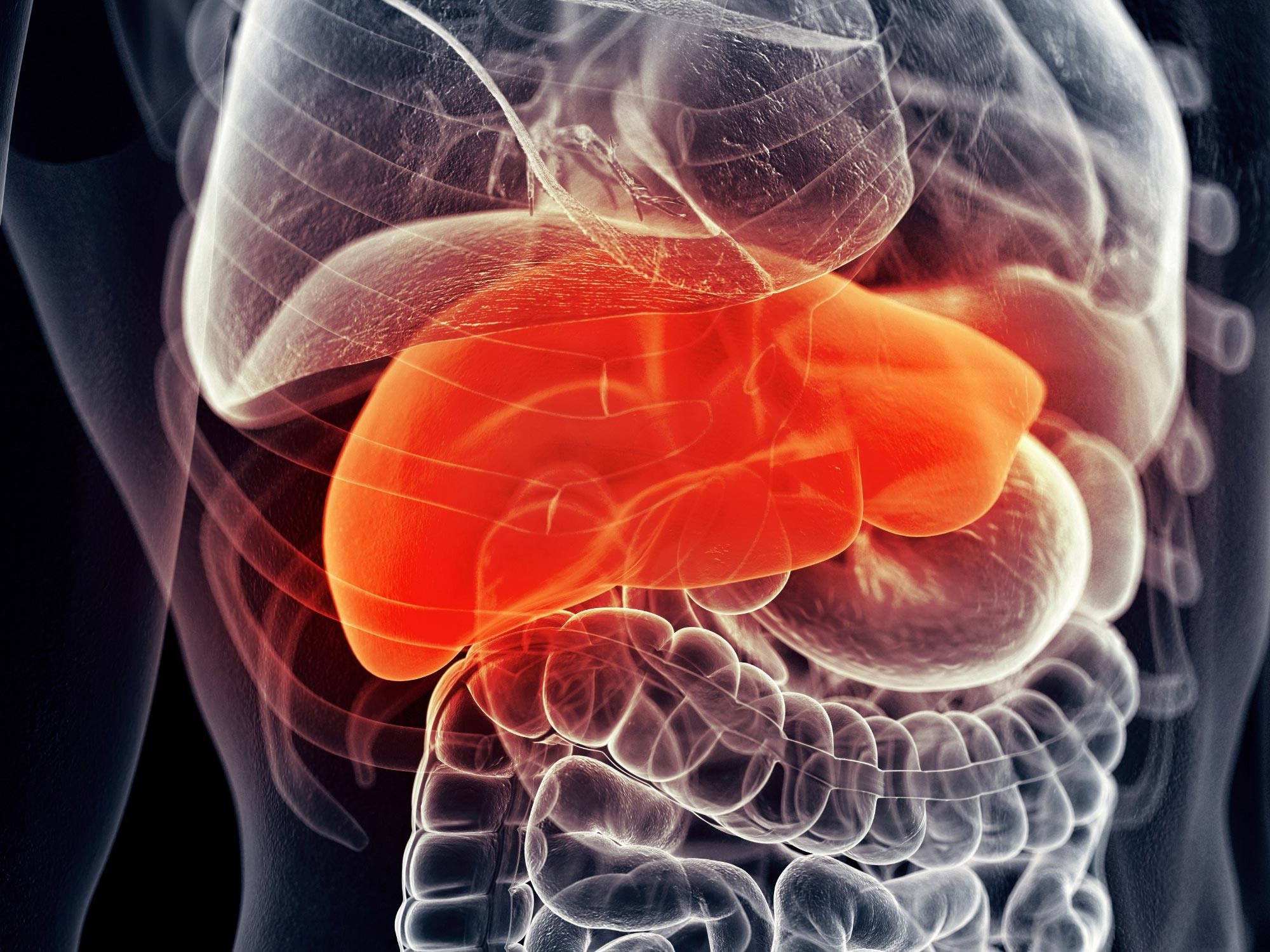
Summary of New Compound Protects Liver After Major Intestinal Surgery:
Researchers at Washington University School of Medicine have made advancements towards a potential treatment for complications arising from radical small bowel resection, a surgery often performed due to severe intestinal damage or disease. This surgery can lead to short bowel syndrome, resulting in poor nutrient absorption and heightened risk of liver damage, affecting about 15% of patients.
The experimental compound, named WUSTL0717, developed by the researchers, is a gut-restricted liver X receptor agonist. This means it functions primarily in the gastrointestinal tract, minimizing side effects typically seen in systemic treatments. Tests on mice showed that WUSTL0717 improved nutrient absorption, reduced weight loss, and helped protect the liver from fibrosis post-surgery.
The study emphasizes the need for targeted therapies for patients suffering from short bowel syndrome, aiming to enhance liver function and overall health outcomes. Future research will explore the compound’s efficacy in conjunction with intravenous nutrition, which often exacerbates liver strain. The findings were published in the journal Gastroenterology.
*****
Summary Bullet Points
-
Experimental Compound: Researchers have developed a new compound, WUSTL0717, that may protect the liver after small bowel surgeries.
-
Liver Health: The compound targets liver injury associated with complications from short bowel syndrome, a condition that can arise post-surgery.
-
Gut-Restricted Approach: WUSTL0717 acts specifically in the intestines, minimizing systemic side effects that have hampered previous treatments.
-
Study Findings: Mice treated with the compound showed improved nutrient absorption, weight gain, and reduced liver fibrosis.
- Future Implications: Ongoing research may pave the way for effective treatments for individuals suffering from complications related to intestinal surgeries.
A Revolutionary Breakthrough: Protecting the Liver After Major Intestinal Surgery
Imagine a complex, bustling marketplace. Every stall, every transaction, every individual has a role to play. This marketplace is akin to the human body, with various organs and systems collaborating to keep you thriving. In this unique ecosystem, the liver acts as a central hub—processing nutrients, filtering toxins, and ensuring vitality. When a sudden interruption occurs, such as the removal of a part of the intestine through surgery, the liver’s effectiveness can suffer dramatically, leading to long-term complications. Thankfully, recent advancements in research bring a ray of hope.
The research team at Washington University in St. Louis has delved deep into this critical issue and discovered a potential life-saving compound—WUSTL0717. This experimental substance aims to protect liver health after radical bowel resections, a procedure often performed when parts of the small intestine are severely compromised or must be removed for medical reasons. Although this surgery can be life-saving, it can seep into the shadows and lead to a host of complications, including liver damage that can necessitate a transplant.
Understanding Short Bowel Syndrome
What happens when part of the small intestine is removed? Enter short bowel syndrome—a condition where the body struggles to absorb nutrients efficiently. Many pediatric patients, such as premature infants with conditions like necrotizing enterocolitis, are at high risk when they undergo these surgical procedures. Life-saving as it may be, the long-term repercussions can include serious nutrient deficiencies and secondary liver diseases.
What’s intriguing here is that many patients living with short bowel syndrome can’t rely solely on their digestive capabilities. They often depend on intravenous nutritional support, a method that can put additional pressure on the liver. As you can see, the challenges are like an intricate web, each thread interlinked—surgery, nutrition, and liver dysfunction.
A Gut-Restricted Compound
Field investigations led to a breakthrough with WUSTL0717, designed to act specifically within the gastrointestinal tract. This targeted approach marks a paradigm shift in how we think about medication. Traditional medications often have widespread effects, which can lead to unwanted complications. However, WUSTL0717 promises to stay localized, which could reduce the likelihood of side effects experienced elsewhere in the body. Imagine a surveyor meticulously mapping out only the parts of the intestine that need attention—this specificity could be a game-changer.
The researchers noted that high-density lipoprotein (HDL), often dubbed "good cholesterol," plays a vital role in safeguarding the liver from harmful substances generated in the gut following surgery. Previous studies hinted at a protective relationship between HDL levels and liver health. This insight led the researchers to explore liver X receptor agonists, which stimulate HDL production, but with a twist: they tailored their approach to focus solely on the intestines.
Testing the Waters: Discovering Efficacy
The groundwork laid wasn’t merely theoretical. The compound found its way into experiments involving mice. After surgery simulating the human small bowel resection, researchers administered WUSTL0717 to observe effects on nutrient absorption and overall well-being.
The results were nothing short of promising. Mice treated with the compound demonstrated a remarkable ability to absorb nutrients, leading to notable weight gain compared to untreated counterparts. With this simple observation, we glean a valuable insight: improving nutrient absorption can fundamentally alter the quality of life for patients struggling with short bowel syndrome.
Moreover, a deeper dive into the effects on liver health revealed another layer to this compound’s efficacy. The treated mice exhibited significantly lower levels of collagen in their livers, suggesting that WUSTL0717 effectively mitigated liver fibrosis. Fibrosis is an insidious condition where scar tissue builds up in the liver, interfering with its normal function. This dual-pronged approach—enhanced nutrient absorption and liver protection—could be the lifeline that many individuals need.
The Road Ahead: Future Treatments
As the research team plans its next steps, focusing on the compound’s effects in scenarios where patients receive additional intravenous nutrition is crucial. This strand of investigation is significant because, while intravenous feeding holds potential benefits, it can simultaneously burden the liver, which we now know already has its hands full post-surgery.
The implications of WUSTL0717 stretch far beyond the laboratory. Imagine a future where children and adults suffering from these surgical complications can regain control over their nutritional intake and liver health, enhancing their quality of life. This hope fuels the motivation and passion of researchers committed to this cause.
A New Narrative Around Liver Health
What emerges from this research is more than just medical advancement; it symbolizes stories of resilience and recovery. Each discovery paints a brighter picture for countless families navigating the rough waters of severe gastrointestinal diseases and surgeries.
Researchers have filed a patent for WUSTL0717, outlining its potential significance as a treatment for short bowel syndrome. The collaboration involved in crafting this study underscores the importance of multifaceted dialogue in scientific communities. Contributions from various experts—from immunology to medicinal chemistry—paint a comprehensive picture of collective human ingenuity.
In this intricate story filled with challenges and discoveries, WUSTL0717 is a beacon of hope. Its future represents not just a medical endeavor, but a movement toward elevating patient care and reshaping expectations.
Each step forward, each breakthrough in the lab, reflects a deeper understanding of the connections that bind our bodies. It’s about crafting a reality where complications of surgeries, that once seemed insurmountable, can be contended with innovative solutions derived from methodical research.
As we stand on the cusp of new Medical frontiers, let this discovery ignite your imagination. What if, one day, you or someone you love could benefit from a targeted treatment that protects not only their liver health but also their overall quality of life? How exhilarating it is to realize that science continuously evolves and provides us with the tools to overcome life’s challenges.
This journey is just beginning, and as researchers continue to explore the bounds of human health, remember that every challenge can become an opportunity for innovation—one that builds a better tomorrow for patients and their families. From the realms of surgery to the pathways of nutrition, the promise of WUSTL0717 is just a glimpse into the future of therapeutic possibilities, ensuring that every marketplace player has a chance to thrive.