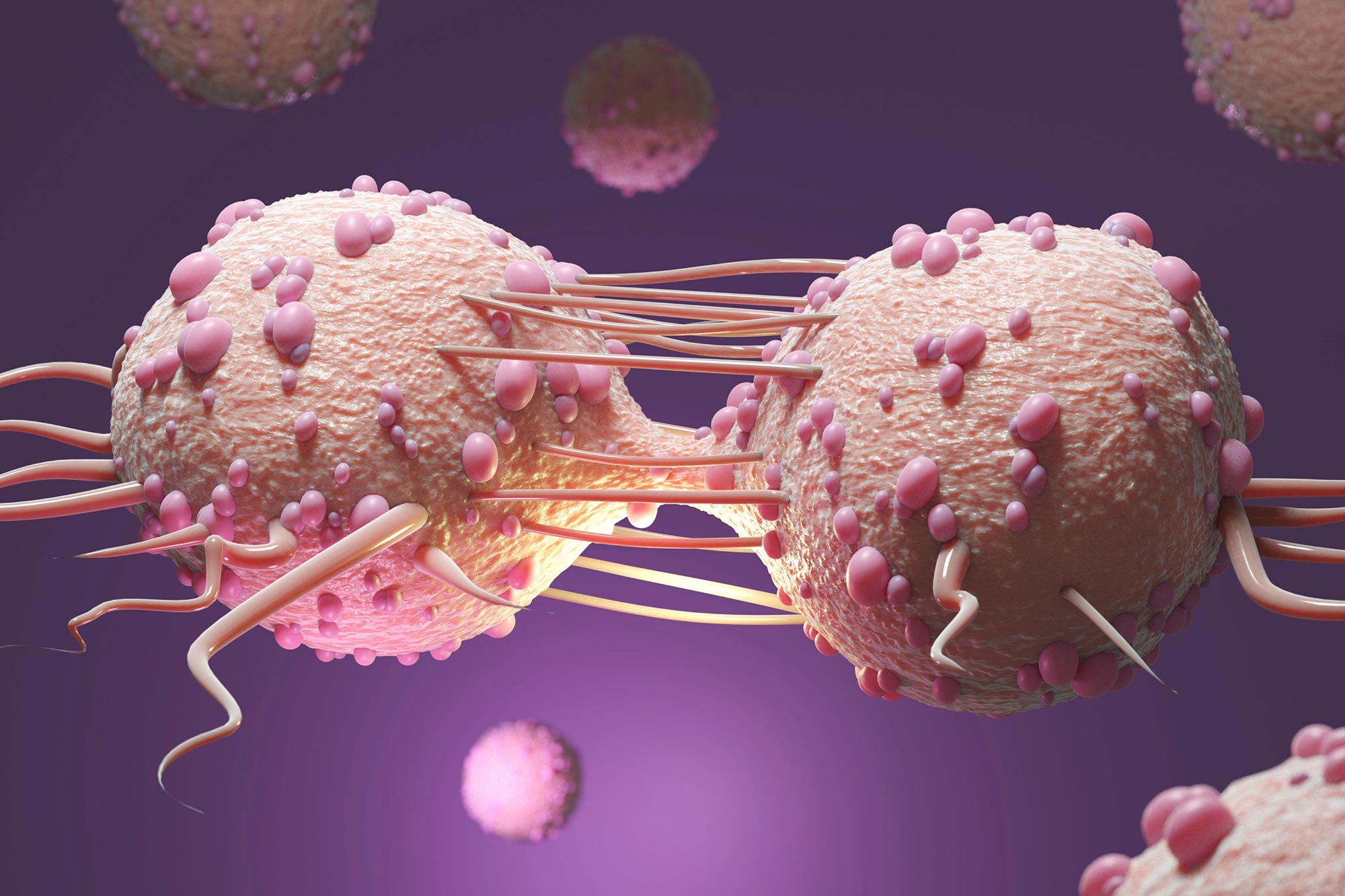
Summary of Colorectal Cancer Has a Unique Microbial “Fingerprint,” Scientists Discover:
Researchers at the University of East Anglia (UEA) have discovered that colorectal cancer has a unique microbial “fingerprint” that distinguishes it from other cancers. By analyzing genomic data from over 9,000 cancer patients, they found that colorectal tumors consistently harbor specific microbial communities, challenging the notion that all cancers have their own unique microbiomes. This finding suggests that microbes present in tumor samples could enhance diagnoses and treatment options without requiring new tests.
The study utilized whole genome sequencing to capture microbial DNA along with human DNA in tumor samples, allowing researchers to correlate microbial profiles with clinical data. They found that certain bacteria were linked to survival rates in sarcoma cases, indicating that microbes might help predict patient outcomes and guide therapies.
Additionally, the research flagged significant viruses such as HPV and HTLV-1 in other cancers, emphasizing the potential of genomic analysis in precision medicine. The authors advocate for the inclusion of microbial profiling in cancer diagnostics to improve patient care.
*****
Summary Bullet Points
- Unique Microbial Fingerprint: Colorectal cancer showcases a specific microbial “fingerprint” that distinguishes it from other cancers, revealing potential diagnostic benefits.
- Harvesting Microbial Data: The study utilized whole genome sequencing to extract microbial DNA from tumor samples, providing insights without requiring new tests.
- Clinical Implications: Findings suggest microbial presence could assist in diagnosis, prognosis, and treatment strategies across various cancer types.
- Advanced Detection: The research identified clinically significant microbes, influencing classification and treatment options in cancers like oral cancer.
- Survival Rates & Microbial Presence: Some bacterial types correlate with improved or poorer survival rates, hinting at a future where microbiomes inform treatment pathways.
Understanding the Unique Link Between Microbes and Colorectal Cancer
Within the ever-expanding panorama of cancer research, exciting discoveries continue to reshape our understanding of disease manifestation and progression. A recent groundbreaking study revealed that colorectal cancer, a leading cause of morbidity and mortality, carries an intriguing unique microbial “fingerprint.” This revelation not only enhances our grasp of cancer biology but opens doors to innovative diagnostic avenues and treatment strategies.
A New Perspective on Cancer Microbiology
Traditionally, the concept of microbes and cancer has revolved around the notion that particular pathogens might contribute to cancer development. The startling insights from research conducted at the University of East Anglia challenge long-held beliefs that every cancer type inherently possesses its unique microbial signature. The evidence suggests that colorectal cancer stands alone. Why is that the case? The colon itself is among the most microbe-rich environments in the human body. Therefore, it is not surprising that tumors derived from this highly populated arena exhibit a distinctive microbial composition.
Researchers analyzed genomic data from over 9,000 cancer patients, discovering that only colorectal tumors harbored a consistent microbial community that could accurately distinguish them from other cancer types. This exciting finding underscores how colorectal cancer might serve as a pivotal example for understanding the intersections between our microbiome and diseases.
Microbial Traces in Tumor DNA: An Untapped Resource
The study utilized advanced whole genome sequencing (WGS), initially designed to explore human DNA, which inadvertently captured microbial DNA found in tumor samples. Rather than initiating separate tests, researchers cleverly mined existing sequencing data for microbial information. By developing specialized computer programs to filter out human DNA, they could precisely analyze residual microbial DNA, challenging the presumption that microbes play a negligible role in cancer biology.
Dr. Abraham Gihawi, the study’s lead researcher, emphasized the significance of this approach: “When you collect cancer DNA sequences, you also gain information from the DNA of microbes contained within the samples.” This simple but innovative method opens a new avenue in cancer research, highlighting previously overlooked microbial components.
Implications for Patient Diagnosis: More Than Just Numbers
What does this mean for diagnosing colorectal cancer and potentially other cancers? The uniqueness of the microbial signature in colorectal tumors could pave the way for more accurate diagnostic criteria, especially in complicated clinical situations. What if a doctor faces ambiguity with a biopsy or has difficulty tracing the origin of a metastatic tumor? The ability to identify a distinctive microbial community could provide clarity in decision-making processes, thereby enhancing patient care.
Moreover, these insights might inform broader cancer treatment protocols as researchers aim to delve into the complexities of microbial life within tumors. Armed with this newfound understanding, scientists are now positioned to investigate specific bacterial signatures that could correlate with disease progression or therapeutic outcomes.
Future Perspectives: The Interplay Between Microbes and Treatment Outcomes
The richness of the findings doesn’t stop at diagnosis alone. The research also uncovered connections between certain types of bacterial presence and patient outcomes in specific cancers, such as sarcomas. Interestingly, some bacteria were linked to better survival rates, while others correlated with poorer prognoses. This intricate web of microbial interactions and their influence on patient health could revolutionize how oncologists approach treatment strategies.
Imagine a future where a patient’s microbiome is evaluated alongside their cancer status—such assessments could refine treatment plans, optimizing therapeutic efficacy. As the role of microbial presence becomes increasingly integral to cancer treatment, we might see an era where probiotics or specific microbial interventions become part of therapeutic regimens.
Expanding Beyond Colon Cancer: Other Cancers at Play
While colorectal cancer takes center stage in this discovery, researchers also highlighted the relevance of microbial analysis in other cancers, such as oral cancers. By identifying viruses like HPV (human papillomavirus) and HTLV-1 (Human T-Lymphotropic Virus-1), the study offers a multi-faceted approach to cancer diagnostics. HPV status can dictate how oncologists classify diseases and decide on treatment options, so harnessing existing sequencing methods to flag such viruses makes forensic use of data more beneficial.
Imagine the implications of detecting these pathogens early through sequencing methodology. It raises the prospect of preventing certain cancers before they develop or transforming patient management strategies.
A Paradigm Shift in Cancer Research Approach
The findings underscore the potential of integrating genomic analysis with microbial data in clinical settings. As researchers push the boundaries of cancer biology, it leads to a gradual shift towards precision medicine, where individual patient profiles guide treatment decisions.
The clinical realm is becoming increasingly reliant on technological advancements in genomic profiling. Gaining insights into not just a patient’s genetic makeup, but also their microbial landscape, can illuminate the path toward personalized care. If this microbial fingerprint can be harnessed effectively, it stands to become a critical component of modern oncology practices.
Cultivating a Future of Hope and Research
So, where do we go from here? The research suggests a fertile ground for further exploration into the role of microbes in cancer. More rigorous validation studies are required to enhance our understanding of microbial dynamics in various cancer types. With colorectal cancer serving as the prototype, follow-up investigations could explore how microbial compositions differ across diverse malignancies, unearthing novel insights that could inform treatment approaches.
Engaging the scientific community, healthcare providers, and patients in this dialogue becomes crucial. As we pursue more answers, the shared journey towards understanding cancer through microbial lenses offers hope. It signifies progress, expanding our toolkit as we fight against malignancies.
Conclusion: Redefining the Cancer Narrative
As we delve deeper into the interplay between microbes and colorectal cancer, individuals may sway from feelings of hopelessness toward a sense of empowerment and hope. Advances like these resonate beyond laboratories; they reflect the collective efforts of researchers, physicians, and patients.
In a world where knowledge is paramount, the notion that we can leverage microbial fingerprints for better healthcare specialization fosters a proactive stance toward cancer management and treatment innovation. The potential to improve diagnostic accuracy and refine treatment through microbial insights represents a remarkable convergence of ideas and technology.
So, as we motivate one another to embrace the advancements in science and medicine, let’s remember that understanding is not just informative—it’s transformational. The journey of exploring this vast landscape is only just beginning, and each step forward holds the promise of brighter days ahead for cancer care.