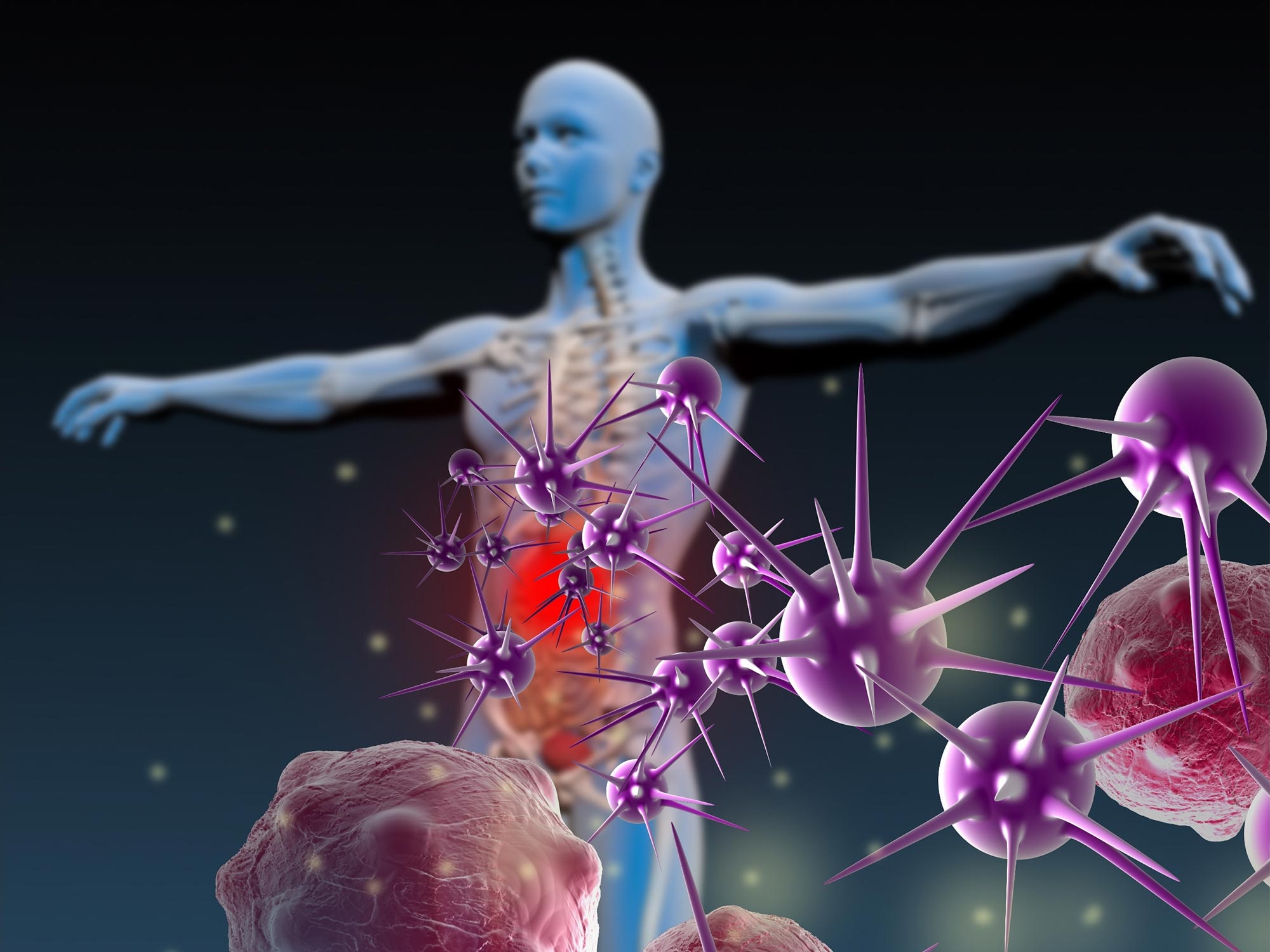
Summary of Nanoparticles That Destroy Disease Proteins Could Unlock New Treatments for Dementia and Cancer:
Scientists have developed a nanoparticle-based strategy to target disease-causing proteins, potentially improving treatments for conditions like dementia and brain cancer. Led by Professor Bingyang Shi at the University of Technology Sydney, the research introduces engineered nanoparticles called nanoparticle-mediated targeting chimeras (NPTACs), designed to degrade specific harmful proteins in the body.
This approach addresses limitations in existing protein degradation technologies, allowing for targeting both intra- and extracellular proteins and overcoming challenges like poor tissue penetration. NPTACs have shown promising preclinical results against proteins linked to diseases, indicating their potential in oncology, neurology, and immunology. The team is seeking industry partnerships to advance clinical development.
Reference: “Nanoparticle-mediated targeting chimeras transform targeted protein degradation,” Nature Nanotechnology, January 2026.
*****
Summary Bullet Points
- Nanoparticle Technology: Researchers have created engineered nanoparticles called nanoparticle-mediated targeting chimeras (NPTACs) aimed at breaking down disease-causing proteins.
- Targeting Diseases: This innovative approach holds potential for new treatments for complex conditions such as dementia and cancer.
- Key Advantages: NPTACs offer tissue-specific targeting, scalability, and multifunctional capabilities, presenting a new model for therapeutic applications.
- Clinical Relevance: With strong preclinical results and backed by patents, the technology is poised for clinical development, aiming to bridge gaps in current medical therapies.
- Emerging Market: The targeted protein degradation sector is rapidly growing, projected to reach over $10 billion USD by 2030, indicating a significant shift in healthcare paradigms.
Advancements in Nanotechnology: Turning the Tide Against Disease
Imagine a world where complex diseases like dementia and cancer are no longer formidable foes, but instead are manageable conditions. With the advent of nanoparticle technology, that future is inching closer to reality. Enter the realm of nanoparticle-mediated targeting chimeras (NPTACs)—the cutting-edge approach that scientists are pioneering to tackle disease-causing proteins. Developed by a dynamic research team led by Professor Bingyang Shi at the University of Technology Sydney, this technology is not just a mere innovation; it’s a rethinking of how we understand and control diseases.
The Dance of Proteins and Disease
Proteins are the unsung heroes of our body, orchestrating almost every cell function. However, when proteins go awry—mutating, misfolding, or accumulating in harmful ways—they can precipitate conditions like cancer, dementia, and autoimmune disorders. Yet, conventional treatments have grappled with these abnormal proteins, often finding them resistant to therapeutic interventions.
Professor Shi aptly notes that “many conditions are driven by abnormal proteins,” posing significant hurdles for medical science. In a landscape where treatment options can seem limited and complicated, NPTACs emerge as a beacon of hope, reshaping our approach to these stubbornly difficult diseases.
NPTACs: A New Science Frontier
So, what exactly are NPTACs? Think of them as precision tools in a surgical toolkit designed to pinpoint and eliminate problematic proteins from the body. These engineered nanoparticles are crafted to identify specific disease-associated proteins and promote their degradation. The practical implications are profound.
According to the insights shared in Nature Nanotechnology, this technology is rendering the complex simpler by utilizing the body’s inherent recycling system. Picture your body as a well-oiled machine; when certain components malfunction, NPTACs step in to facilitate repairs. The researchers envision a future where they can manipulate these nanoparticles to act as both treatment and diagnostics.
What makes NPTACs groundbreaking is their versatility and adaptability. They are designed to target proteins located both inside and outside of cells. Imagine being able to penetrate thick layers of cell membranes to address proteins that previously eluded treatment. It’s akin to finding a hidden key to a locked door that has barred medical advancements for years.
Overcoming Limitations with Nanotechnology
Historically, attempts at targeted protein degradation have faced a myriad of challenges. Difficulties such as limited tissue penetration, unintended interactions, and an intricate design process have stymied successful treatments, especially for brain disorders and solid tumors. Yet, Professor Shi assures us that “our nanoparticle-based strategy overcomes these bottlenecks.”
This sentiment is exciting. The potential for NPTACs to gracefully navigate through the complexities of the human body, engaging directly with disease-causing proteins, changes the conversation around nanoparticle utility in medicine. It’s a promising shift from viewing nanoparticles merely as delivery tools to recognizing them as active agents driving therapeutic success.
The Promises of NPTACs
The team highlights several key advantages of their innovative platform:
- Flexible Targeting: NPTACs enable degradation of proteins located both intracellularly and extracellularly, increasing their therapeutic reach.
- Tissue-Specific Focus: The technology is programmed to locate and act specifically on targeting tissues and diseases, including those that traverse the challenging blood-brain barrier.
- Adaptive Technology: The modularity of the NPTACs allows rapid adjustments to target diverse proteins, offering real-time solutions in a world where medical conditions can evolve.
- Scalability and Translation: By leveraging FDA-approved nanomaterials, the technology is both scalable and primed for clinical translation.
- Multifunctionality: NPTACs can integrate diagnostic capabilities, effectively making them two-in-one therapeutic agents.
Early preclinical results underscore the hopeful trajectory for these nanoparticles, particularly against significant disease targets like the epidermal growth factor receptor (EGFR) and PD-L1, proteins critical in tumor growth and immune evasion.
Paving the Road to Clinical Applications
But how does this translate to real-world application? Success in the lab often sets the stage for exciting clinical trials. With an estimated $10 billion USD market for targeted protein degradation forecasted by 2030, the foundations of NPTACs not only set a precedent in medical research but also represent a lucrative opportunity for strategic industry partners.
Professor Shi emphasizes that their team is actively seeking collaborations to expedite clinical development and regulatory approvals. This proactive stance is indicative of the urgent need for innovation in the therapeutic landscape and how NPTACs may well be a paradigm shift aimed at effectively addressing cancer and neurological conditions.
The Bigger Picture of Health and Hope
As we contemplate the implications of this groundbreaking work in biotechnology, it’s essential to understand the broader narrative. Advances like these offer an avenue for hope in a time when chronic diseases loom large, creating ripples in individual lives and within society. The promise of NPTACs isn’t just about new treatments; it’s about rekindling the flame of possibility for patients and families struggling with daunting diagnoses.
There’s a palpable energy within the medical community fueled by these advancements. It’s a reminder that innovation persists, even in the darkest of times. Science is not static. Much like you and I, it evolves, adapting to the challenges it encounters. Research teams across the globe are tirelessly dedicated to harnessing this evolving landscape to redefine what is achievable in healthcare.
Final Thoughts: The Power of Innovation
While the scientific journey towards clinical applicability may be fraught with challenges, the potential that NPTACs exhibit provides a refreshing outlook. It’s a testament not only to the future of targeted therapies but also to the resilience and ingenuity of the human spirit. Whether you’re on a personal health journey, pursuing wellness, or enthusiastic about advancements in medical technology, remember that science, much like life, is a continuous quest for understanding and improvement.
In the grand weave of human experience, the discovery of nanoparticle capabilities can be seen as a beautiful story of complexity, resilience, and hope twined intricately together. It challenges us all—it inspires us to dream beyond current limitations, fuel our desire for knowledge, and embraces the relentless pursuit of healing.
Let’s keep our minds open to change, and stay curious about the marvels that science can achieve. In areas where hope feels extinct, breakthroughs like NPTACs remind us there’s always more to discover and explore. It is, after all, this underlying quest for betterment that propels both science and humanity forward into a future ripe with possibilities.