Summary of This Common Dental Problem Could Threaten Your Brain:
New research indicates that individuals with both gum disease and cavities have an 86% higher risk of stroke compared to those with good oral health. Additionally, they face a 36% increased risk of cardiovascular issues. Regular dental checkups significantly decrease the likelihood of experiencing both conditions, making good oral hygiene essential not just for dental health but also for reducing stroke risk. The study, involving 5,986 adults over 20 years, found higher incidence rates of stroke in those with oral health problems. The findings suggest that improving oral health can be a vital component of stroke prevention strategies. Researchers emphasize the importance of seeking dental treatment for better overall health.
*****
Summary Bullet Points
- Recent research shows a significant link between poor oral health—specifically gum disease and cavities—and an increased risk of stroke and cardiovascular issues.
- Regular dental check-ups can drastically reduce the likelihood of developing both gum disease and cavities, potentially lowering the risk of serious health complications.
- A long-term study followed nearly 6,000 adults, revealing that those with gum disease and cavities face escalated health risks compared to individuals with healthy mouths.
- Awareness of oral health’s broader implications could lead to proactive measures and behavioral changes in daily life, enhancing both physical and mental well-being.
- Understanding the connection between oral health and overall health can motivate individuals to prioritize and maintain good dental habits.
This Common Dental Problem Could Threaten Your Brain
When thinking about health, many of us might focus on nutrition, exercise, and mental well-being. Yet, one surprising area that often slips under the radar is oral health. The mouth—the gateway to the body—plays a crucial role in our overall health, influencing factors we might not even associate with our teeth and gums. Recent research reveals an alarming connection between common dental issues, such as gum disease and cavities, and serious health risks like stroke and heart disease. As you navigate the complexities of health, this information can serve as an eye-opener, inspiring you to rethink your dental hygiene routine.
The Hidden Dangers of Neglected Oral Health
What if I told you that neglecting your oral hygiene could have dire consequences beyond toothaches and bad breath? That’s the crux of the findings from a recent study published in Neurology Open Access. The authors identified that individuals with both cavities and gum disease are significantly more susceptible to serious health risks, including a staggering 86% higher chance of having a stroke compared to their counterparts with healthy oral health.
Ischemic strokes—those that occur due to a blockage of blood flow to the brain—are the most prevalent form of stroke. When blood, rich in oxygen and nutrients, cannot reach the brain, the consequences can be catastrophic.
Unpacking Cavities and Gum Disease
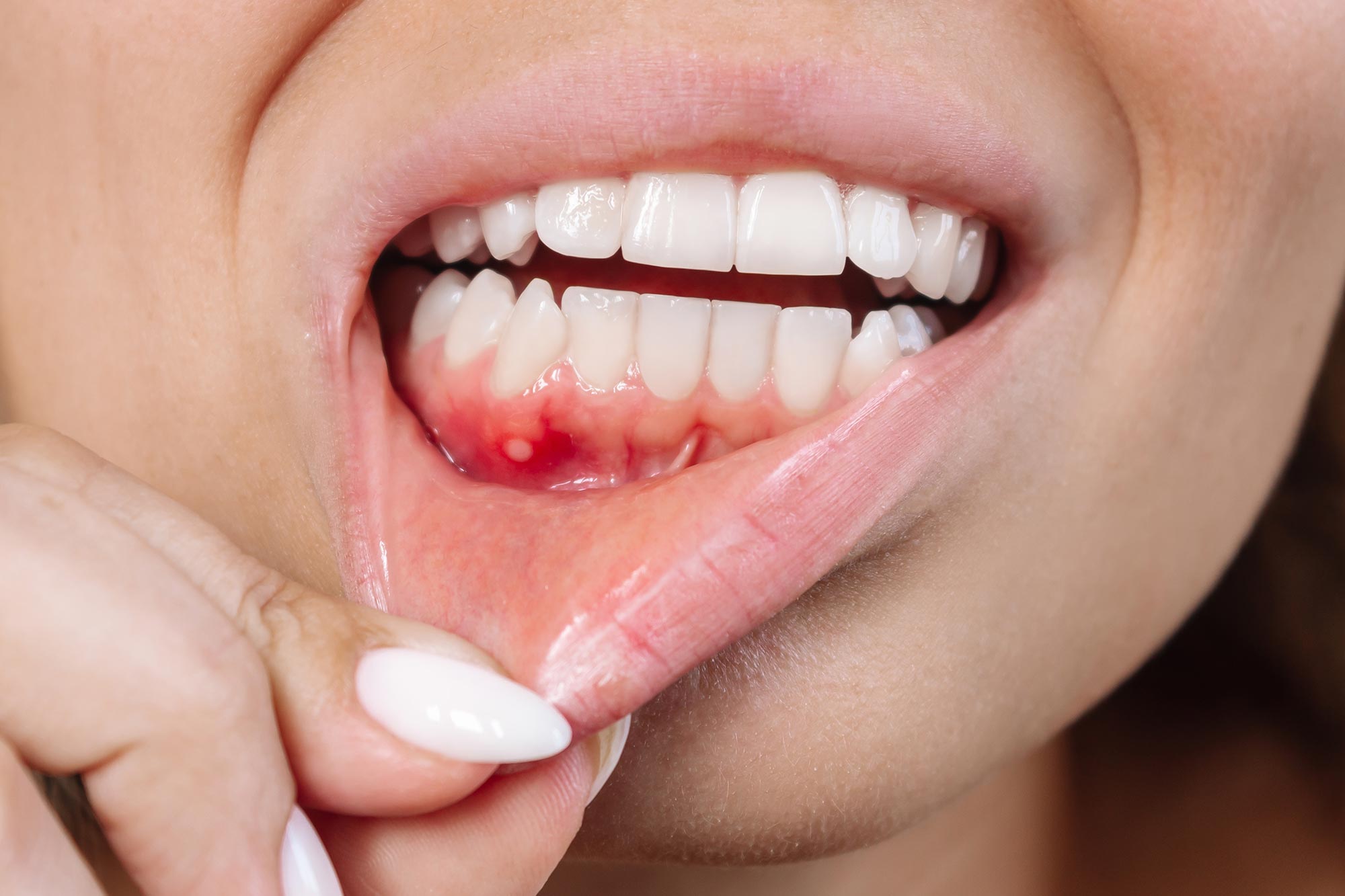
Cavities are more than just painful nuisances; they form when bacteria demineralize and weaken tooth enamel, often helped along by a diet high in sugar and starch. Combine this with gum disease, which arises from inflammation and infection of the gums due to poor oral hygiene, and the consequences multiply. Gum disease can escalate to more severe dental problems, including tooth loss.
Consider this: it might seem innocuous, but untreated gum disease can set off a cascade of health challenges, significantly impacting your heart and brain health. Souvik Sen, MD, a prominent researcher involved in this study, highlights that individuals grappling with both gum disease and cavities should consider their oral care routine as a potential part of preventive strategies against strokes.
A Longitudinal Insights: The Study Breakdown
To grasp the significance of these findings, let’s delve into the data collected from nearly 6,000 adults with an average age of 63. Each participant was given a dental exam to reveal their oral health status, leading to three classifications: healthy mouth, gum disease only, and the worrisome combination of gum disease and cavities.
Following these individuals across two decades unveiled a troubling pattern. Of the 1,640 individuals deemed to have healthy mouths, merely 4% experienced a stroke—a comparatively low figure. In stark contrast, 7% of those with gum disease without cavities and 10% of those with both conditions faced the chilling prospect of a stroke.
This correlation between poor oral health and serious medical events does not merely rest on shaky ground; after adjusting for variables like age, body mass index, and smoking status, the data remained sobering. The risk was indeed palpable.
The Connection to Heart Disease
Not only do the findings signal a high stroke risk, but they also highlight a concerning 36% greater likelihood of experiencing other cardiovascular events—such as heart attacks—for those grappling with both dental afflictions. While you may think your mouth and heart operate in separate realms, this research reveals that our bodies function as a cohesive unit, and neglecting one area can impact others dramatically.
The Power of Routine Dental Care
While these findings might initially seem bleak, they are also extraordinarily empowering. Regular dental care can significantly reduce your risk. The same study found that individuals who routinely visited the dentist had 81% lower odds of having both gum disease and cavities. A consistent dental check-up routine doesn’t just preserve your pearly whites; it becomes almost a protective barrier against severe health problems.
Routine dental visits become more than just appointments; they transform into crucial milestones in your health calendar, offering opportunities to address issues before they escalate. If you’ve allowed fear of the dentist to dictate your choices, think again. Each visit to the dental office is a proactive step toward safeguarding your brain and heart, allowing you to take charge of your health narrative.
Behavioral Changes: A Motivational Shift
So, what can you do? Beyond scheduling that long-overdue dental appointment, it’s vital to embrace a holistic mindset regarding your health. The adage “you are what you eat” rings especially true when it comes to oral health. Prioritizing a balanced diet rich in vitamins and minerals can fortify your pearly whites and gums, keeping them healthy and functioning optimally.
Moreover, brushing and flossing diligently can yield profound benefits. It’s simple yet crucial; an effective daily routine can minimize plaque buildup and halt the progression of cavities and gum disease. Establish a ritual that makes this time enjoyable—perhaps play your favorite music while you brush, or treat yourself to a new flavor of toothpaste every now and then. Whatever it takes to motivate consistency!
Beyond that, consider your mental health. Stress can have a dramatic impact on your well-being, including your oral health. Techniques like mindfulness or yoga can help lower stress levels, creating a ripple effect toward better overall health, including your mouth.
Stay Informed and Empowered
These findings also serve as a clarion call for awareness. As you read this, consider the often-overlooked connection between oral health and the larger framework of health. Knowledge is empowering; it begets change. By becoming aware of how your dental care can affect not just your mouth but your heart and brain as well, you’re equipped to make decisions that enhance your quality of life.
Encourage your friends and family to share in this awareness, extending the conversation about health beyond the walls of the dentist’s office. The more we engage in dialogue about how our choices impact our well-being, the better chance we have of cultivating a community that prioritizes health—both oral and otherwise.
Conclusion: A Path Forward
In closing, the integration of oral health within the broader scope of our overall health can no longer be dismissed as trivial; it is a matter of life and death. This research should serve as a motivating force, pushing you to take actionable steps for better dental hygiene, and in turn, better health outcomes.
As you reflect on these findings, think about your journey—where you are, and where you want to go. Take charge of your health narrative. Whether it’s scheduling that dental appointment, fine-tuning your oral hygiene regimen, or adopting healthier lifestyle habits, the power to change lies with you. Embrace the responsibility and revel in the improvement that comes from simply caring—caring for your health, your smile, and ultimately, your life.
Let this knowledge resonate within you as a motivator for change. The road to better health starts with the choices you make today. Why not take that first step?